What Is Old Xi’an’s Food? A Guide to Time-Honored Eats
- I. A Century of Dining at Time-Honored Restaurants: From 1898 to 1936
- II. Hui Quarter: The End of the Silk Road, Captured in a Bowl
- III. The Ritual of a Bowl of Paomo: Breaking It Slowly, Savoring It Slowly
- IV. The Tang Dynasty on a Plate: Flavors That Have Endured for Over a Thousand Years
- V. Locals’ Secret Map of Old Alleys
- VI. Six Must-Try Dishes: A Recommended List of Traditional Xi’an Cuisine
- VII. In Closing
- FAQ
At 6 a.m., Xi’an is awakened by the “crack” of bread being torn apart. At the small eateries along the walls, soup pots have just been set up, and steam wafts over the blue-brick walls—a day in this city begins slowly. What is “Old Xi’an’s Food”? It’s not a list of trendy snacks, but rather flavors that have been slowly refined over time.
Time-honored establishments, Silk Road spices, and Tang Dynasty banquets—these three elements form the foundation of Old Xi’an’s cuisine. This guide isn’t just about history; it also helps you spend your money wisely: time-honored brands, historic alleys, and must-try dishes—all covered in one go.
I. A Century of Dining at Time-Honored Restaurants: From 1898 to 1936
To truly understand Old Xi’an’s cuisine, one must first consult a timeline. The history of these time-honored restaurants is a chronicle of flavors.
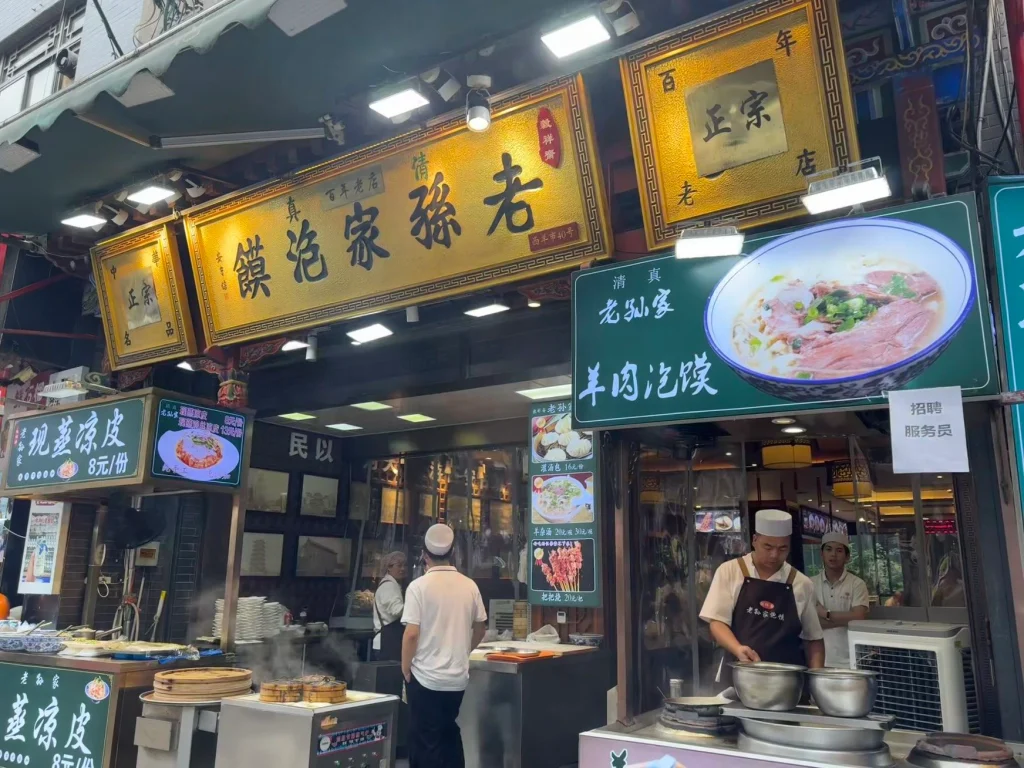
Lao Sun Jia and Tong Sheng Xiang: The Two Golden Icons of Paomo
In 1898, Lao Sun Jia hung up a sign proclaiming “The Number One Bowl Under Heaven,” turning beef and mutton paomo into a city totem. To this day, the saying “You haven’t truly been to Xi’an unless you’ve eaten at Lao Sun Jia” is still widely circulated among locals.
Lao Sun Jia has also been listed among Shaanxi’s Top Ten Cultural Symbols, and a bowl of paomo has become the city’s calling card.
In 1920, Tong Shengxiang set up its soup pot in a small shop measuring just over 70 square meters. To this day, the soup recipe remains unchanged, as does the meticulous art of breaking the bread.
If you’re looking to check out the best old restaurants near the Bell Tower, Tong Shengxiang’s Bell Tower branch (No. 5 West Street) is the top choice. Standing by a historic dining table and breaking a bowl of paomo is like stepping back in time.
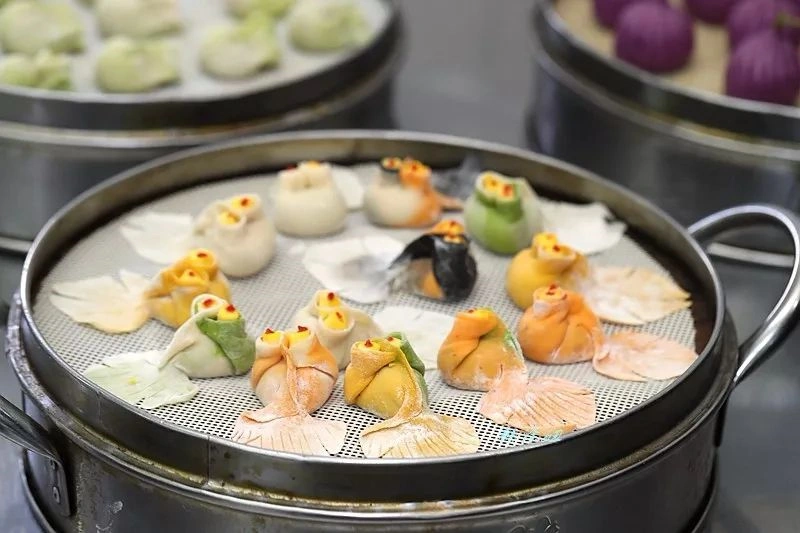
Xi’an Restaurant and Defa Chang: A Feast of Shaanxi Cuisine and Dumplings
Xi’an Restaurant opened in 1929, with its name inscribed by Guo Moruo. Its Gourd-Shaped Chicken—crispy on the outside and tender on the inside—is the authentic successor to “Chang’an’s Number One Dish.”
Among the best old restaurants near the Bell Tower is Xi’an Restaurant, where you can enjoy Gourd-Shaped Chicken alongside the Shaanxi Cuisine Museum—combining sightseeing and dining. Founded in 1936, Defachang set a Guinness World Record by creating 318 varieties of dumplings.
From the same era, Fanji Lazhi Roujiamo (Zhubashi) features glazed pork that is rosy, tender, and sticky—it is one of the originators of the roujiamo.
Turning the pages of the history of time-honored restaurants, the 11 time-honored Chinese brands under Xi’an Catering Co., Ltd. account for nearly half of Shaanxi cuisine’s history. The history of time-honored restaurants tells us: these institutions are not mere relics, but a living, breathing part of daily life that continues to this day.
II. Hui Quarter: The End of the Silk Road, Captured in a Bowl
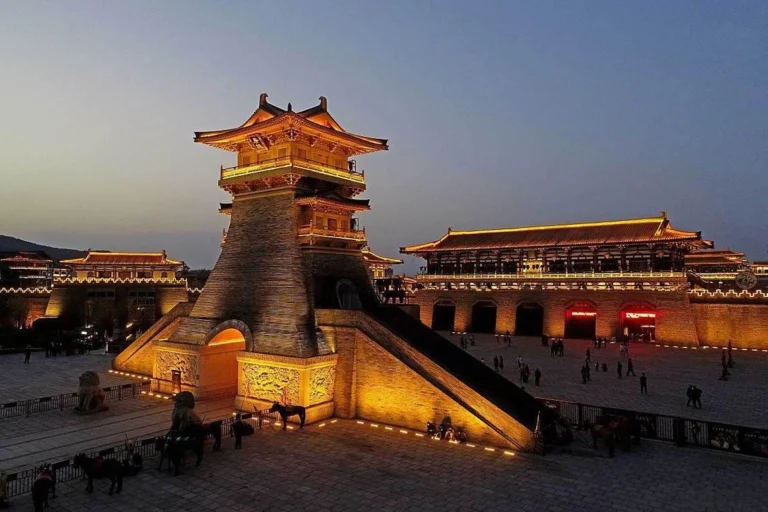
Heading west, the Hui Quarter serves as a footnote to Old Xi’an’s cuisine along the Silk Road. Since the Tang Dynasty, this has been the eastern starting point of the Silk Road.
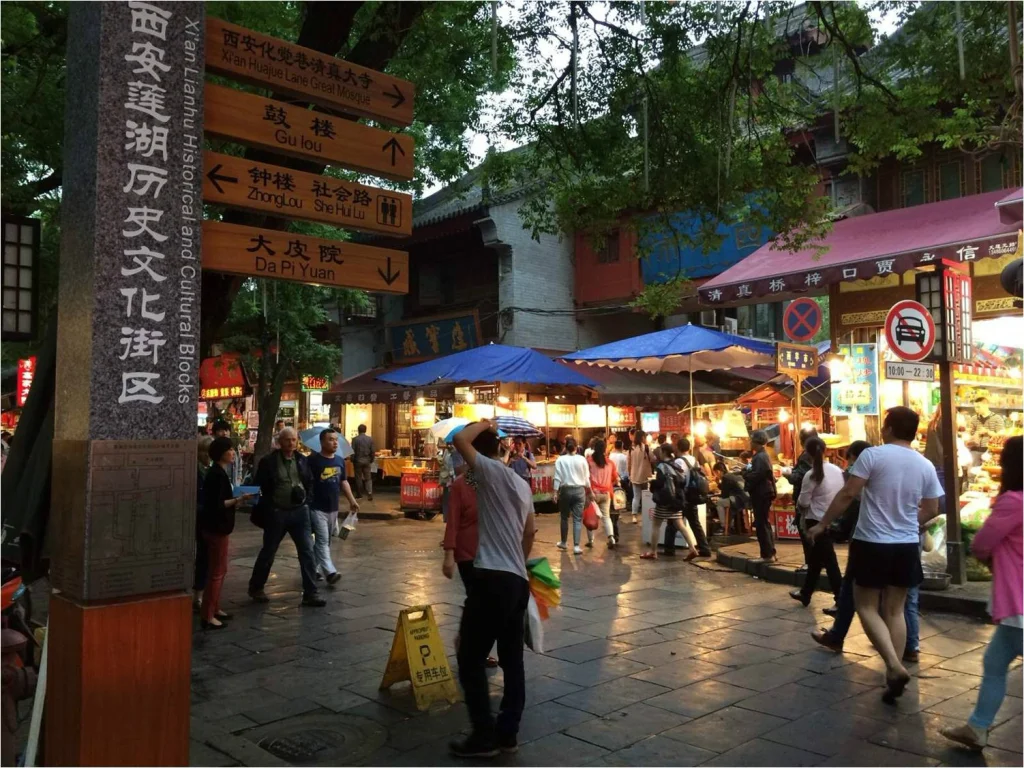
A Millennium of Daily Life Amid “Seven Mosques and Thirteen Quarters”
Muslims from Central and West Asia settled around mosques, gradually weaving the “Seven Mosques and Thirteen Quarters” layout. The connection between the Muslim Quarter and the Silk Road brought cumin, fennel, and Ningxia Tan sheep together in Xi’an.
Halal has thus become the norm here, rather than the exception. Following the thread of the Muslim Quarter Silk Road, you’ll discover just how vast Xi’an’s culinary landscape truly is.
Must-Try Food List in the Xi’an Muslim Street
Steamed bread in soup, cured beef and lamb, spicy soup, honey-glazed cold rice dumplings, and osmanthus persimmon cakes—with hundreds of varieties, the Xi’an Muslim Street’s street food is widely recognized as the best halal street food in the country.
If you want a comprehensive understanding of the history and origins of the Xi’an Muslim Street on the Silk Road, this in-depth article on the area’s history and cuisine explains it thoroughly. Head into Xiyangshi and Huajue Alley for a more authentic experience than the main street of Beiyuanmen.
Jia San’s Soup-Filled Buns and Lao Mi Jia’s Paomo are also staples in the Xi’an Muslim Street, but be sure to arrive early at these famous spots—visiting during off-peak hours makes for a more comfortable experience.
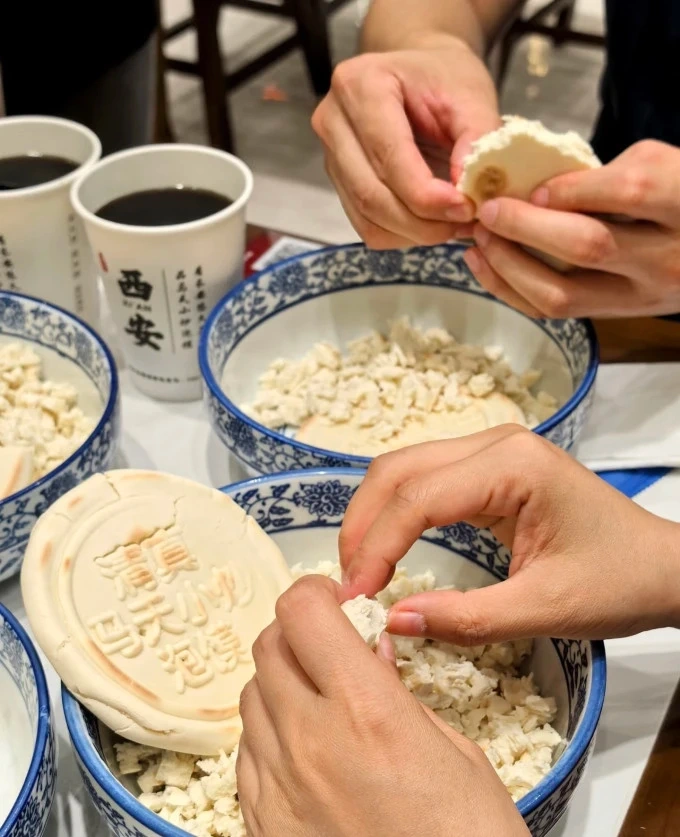
III. The Ritual of a Bowl of Paomo: Breaking It Slowly, Savoring It Slowly
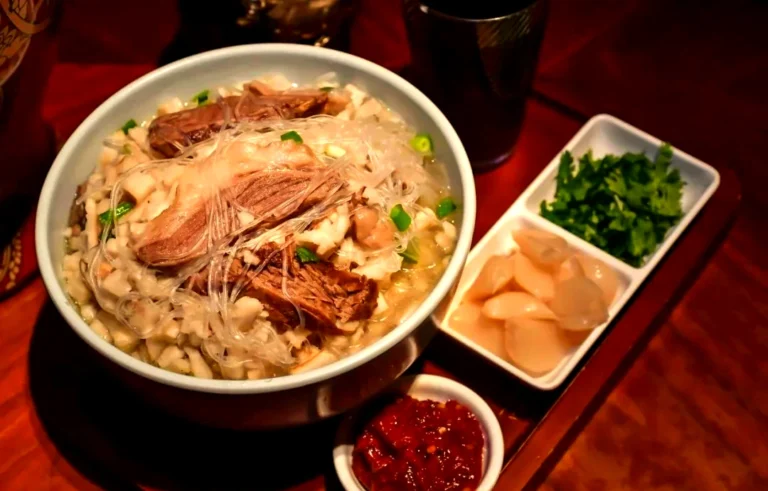
When discussing Old Xi’an food, you can’t avoid talking about a bowl of paomo. The first lesson in how to eat paomo is to break the bread yourself.
The ritual of Old Xi’an food lies entirely in these two hands and a morning’s worth of patience.
The Four-Step Cycle of How to Eat Paomo
Step 1: Break the bread: Say no to machine-cutting—break it yourself into soybean-sized pieces so it can soak up the broth.
Step 2: Choose a cooking method: “Dry Pull,” “Soup-Dipped,” and “Water Encircling”—each has its own character.
Step 3: “Eat layer by layer,” starting from the edge of the bowl and working your way in—never stir it into a mushy mess.
Finally, pair it with a clove of sugar-pickled garlic and a bottle of Bingfeng soda. Anyone who truly understands how to eat paomo knows that Tong Shengxiang’s broth—simmered for a full eight hours with Ningxia Tan sheep bones—is the real reason to take it seriously.
If tearing the bread by hand seems too time-consuming, there’s also stir-fried paomo: freshly stir-fried with chili sauce, its sour and spicy flavors whet the appetite. No need to tear the bread yourself—it’s even more appealing to tourists’ tastes.
IV. The Tang Dynasty on a Plate: Flavors That Have Endured for Over a Thousand Years
The origins of Old Xi’an cuisine can be traced back to the Tang Dynasty. Gourd Chicken originated at a family banquet hosted by Wei Zhi during the Tang Dynasty and is considered a treasured remnant of the “Roasted Tail Banquet.”
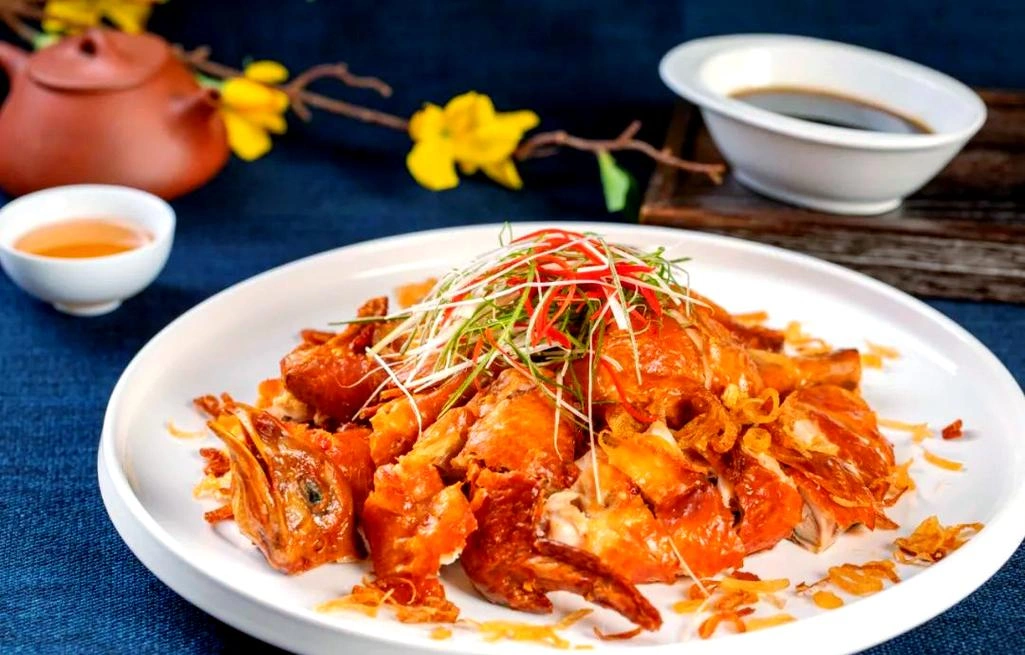
Gourd Chicken and the “Shāowěi” Banquet
Defa Chang’s dumplings, recreated from the Tang Dynasty’s Shāowěi Banquet Menu, are hailed by diners as “cultural relics on the tip of the tongue.” The elegance of the Tang people has been infused into today’s bowls and chopsticks.
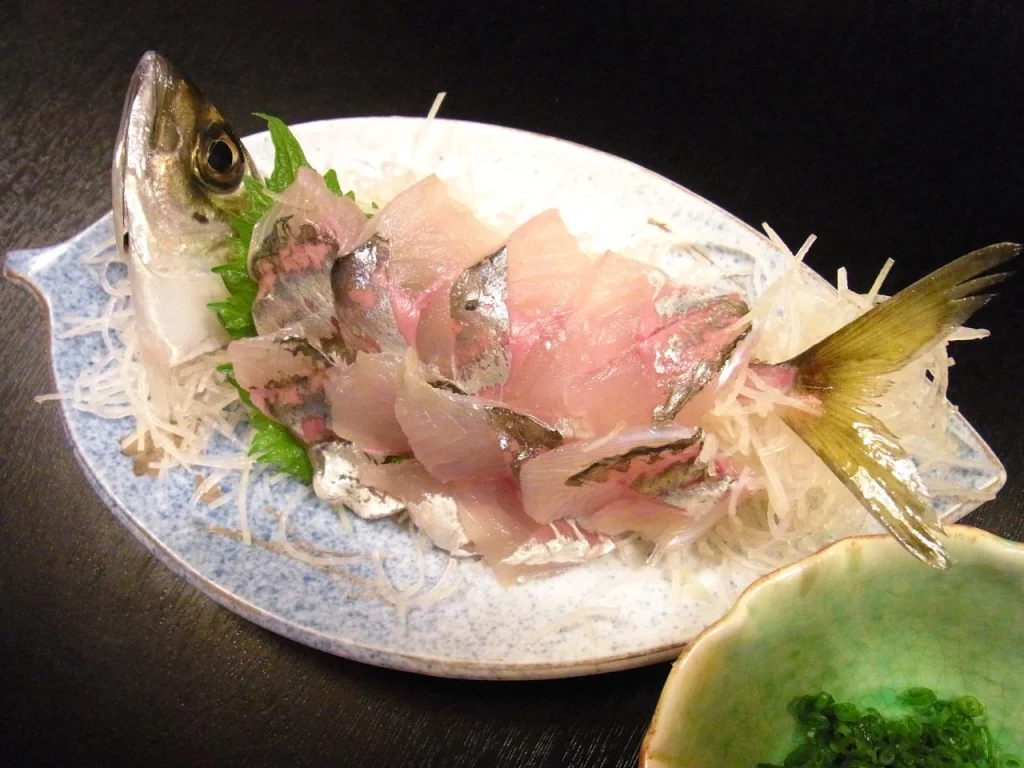
From Sashimi to Steamed Rice Cakes
Tang Dynasty banquets featured the refined custom of “cutting brocade to wrap lamb,” and raw fish slices were also known as sashimi. Du Fu wrote, “The knife sings as the threads of raw fish fly,” depicting the slicing of raw fish.
Zenggao and persimmon cakes can also be traced back to Tang-dynasty writings. To truly understand Old Xi’an’s cuisine, one must perceive this thousand-year-old heritage—the Shaanxi Cuisine Museum at Xi’an Restaurant uses holographic projections to recreate the imperial chefs of the High Tang Dynasty preparing Gourd Chicken.
V. Locals’ Secret Map of Old Alleys
If you want to taste authentic Old Xi’an food, don’t just head straight to Beiyuanmen. The real deal is hidden deep within the alleys.
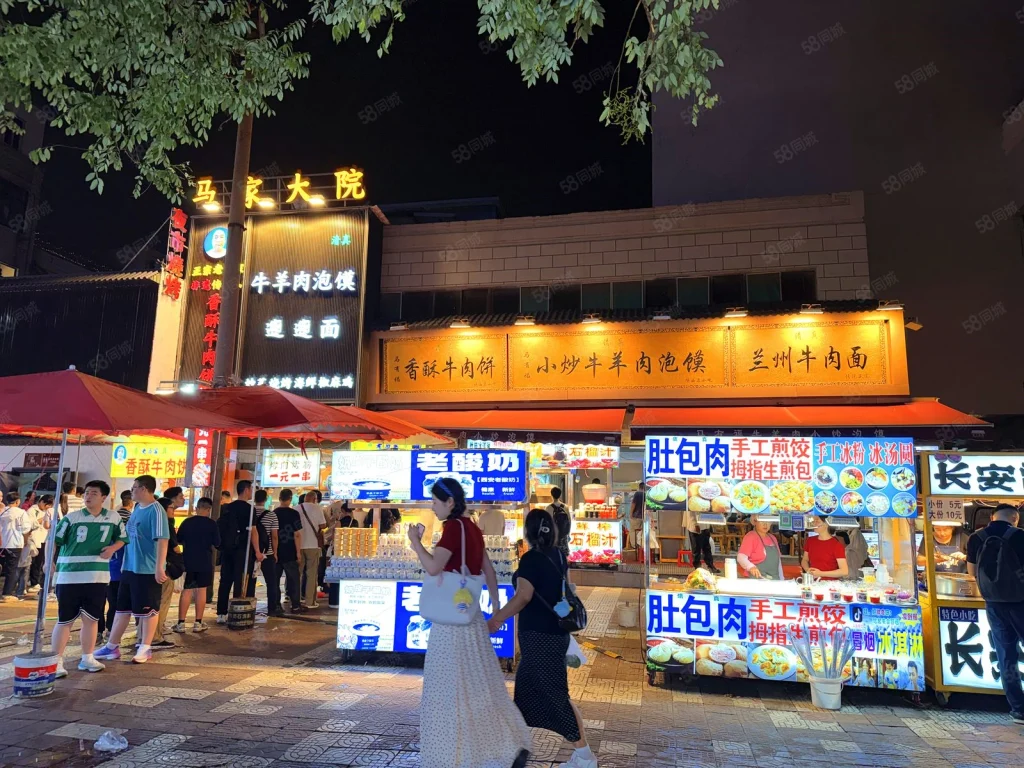
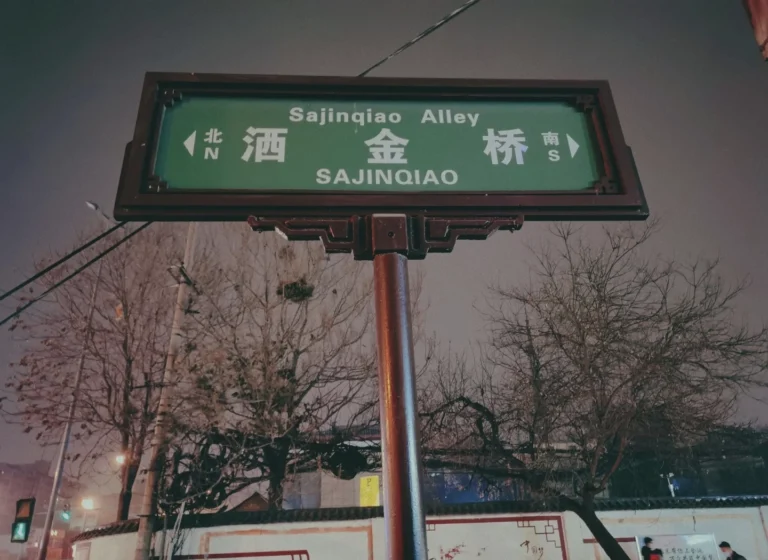
Sajinqiao: A Carnival at the Morning Market
Sajinqiao is a local secret. Ma Er’s sour soup dumplings, Lao Jin’s egg-and-vegetable stuffed buns, and Fat Man’s Steamed Rice Cake all set up shop as early as 6 a.m.
Li Weiyi’s Meatballs in Spicy Soup and Ma Hong’s Soaked Bread are the standouts at Sa Jin Qiao. With prices ranging from 30 to 50 yuan per person, the atmosphere is brimming with the vibrancy of everyday life.
Liu Ming’s Honey-Glazed Cold Zongzi and Lao Wu’s Oil Tea Twists represent the sweet and savory sides of Sa Jin Qiao—they pair perfectly together.
Dapi Yard and Xiaonanmen: Quiet, Old-Fashioned Flavors
Dapi Yard is even quieter: Ding’s Crispy Pork, Liu Jixiao’s vacuum-sealed cured beef and mutton (available for takeout), and Sheng Zhiwang’s sesame paste-topped cold noodles. The Xiaonanmen morning market, meanwhile, transforms the lamb blood soup into a late-night dining spot.
If you want to explore Xi’an’s local food streets on foot, the City Wall–Hui Quarter walking route is ideal. Avoiding the crowds on Xi’an’s local food streets is the true connoisseur’s shortcut.
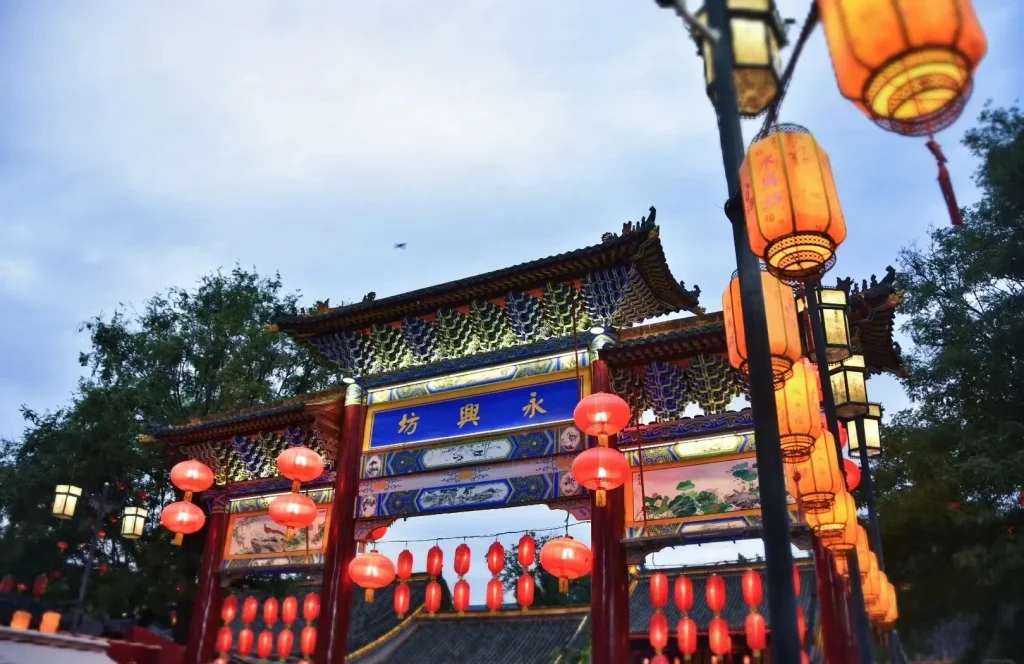
Yongxingfang: A New Stage for Intangible Cultural Heritage
Yongxingfang is an intangible cultural heritage district that has sprung up on the site of Wei Zheng’s former residence during the Tang Dynasty. Along this stretch of Xi’an’s local food street, you’ll also find Zichang-style pancakes, Ankang steamed noodles, and Zashui potato rice cakes—bringing Shaanxi’s intangible cultural heritage to the streets in one stop.
VI. Six Must-Try Dishes: A Recommended List of Traditional Xi’an Cuisine
If it’s your first time in Xi’an, follow this list and you’ll be hard-pressed to make a bad choice. These six traditional dishes are all quintessential examples of “Old Xi’an” cuisine.
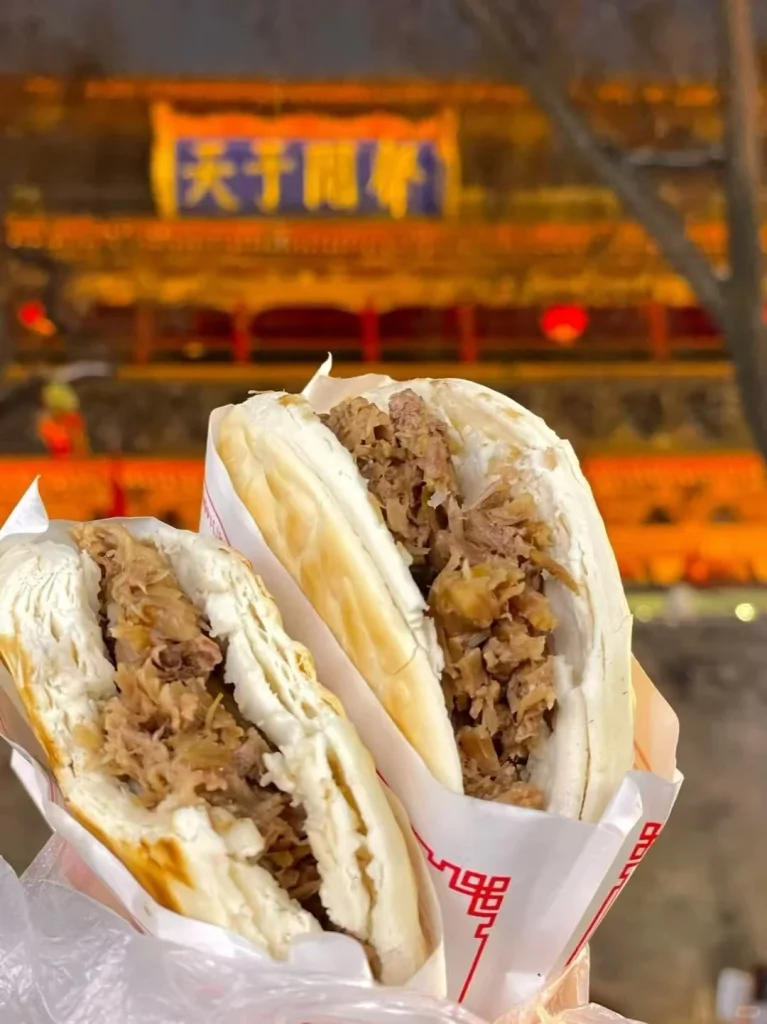
Roujiamo
The “Chinese hamburger.” Braised pork, stewed until tender, is sandwiched inside a white jimo bun. Qin Yu Roujiamo (on Dongmutou Street, featured on A Bite of China) and Zhang Ji on Ziwu Road are both worth the wait.
Biangbiang Noodles
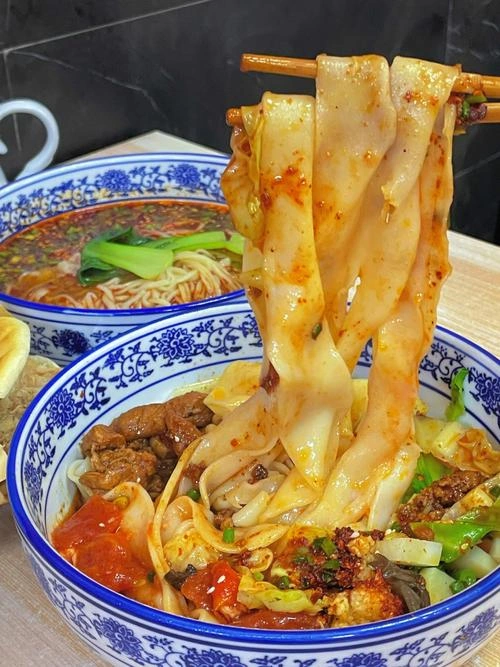
As wide as a belt, with hot oil and chili flakes poured over them, creating a sizzling “zi-la” sound. Served with raw garlic and Bingfeng soda. You can find them on the streets of downtown for 12–18 yuan—cheap and filling.
The “Three-in-One” combo—chili oil, pork mince, and tomato and egg—is a soul-stirring bite; it’s even more flavorful with raw garlic.
Liangpi
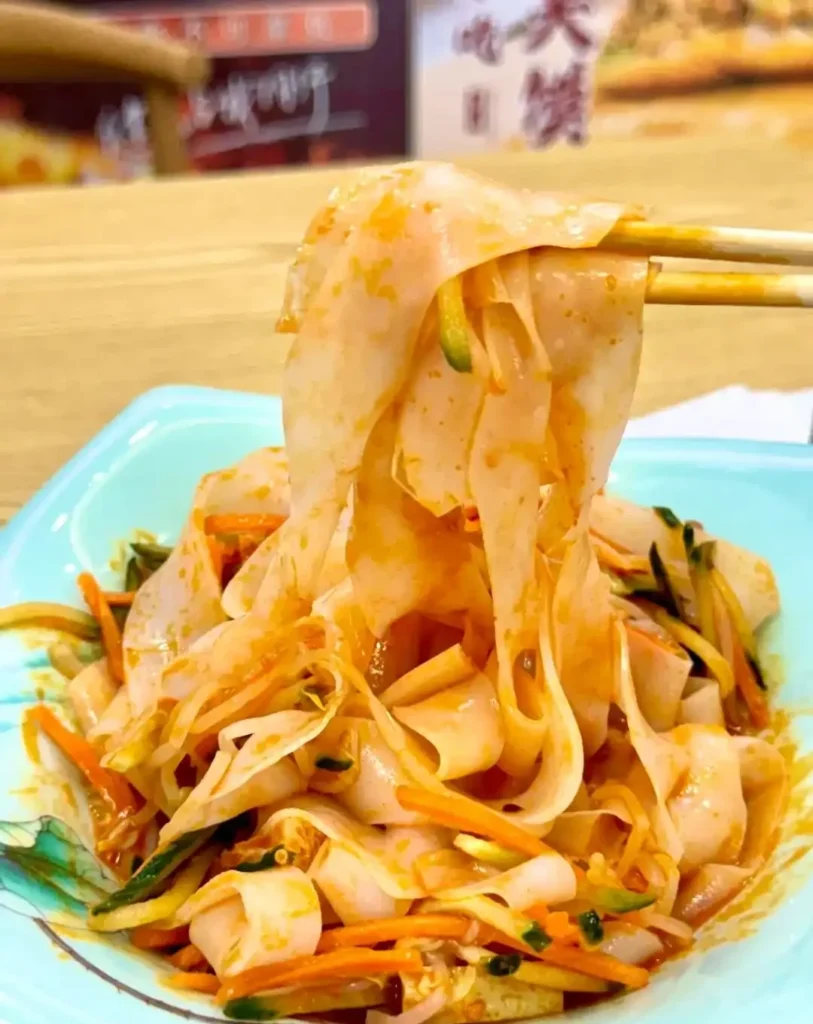
Qin Town rice noodles, Hanzhong hot noodles, or Qishan rolled noodles—you can’t go wrong with any of these three. The “Three Qin” set—liangpi, roujiamo, and Bingfeng—is a lifesaver in the summer.
Sheng Zhiwang’s sesame sauce liangpi is thick and silky, with the sesame sauce coating the noodles—a reliable choice from this time-honored Hui Muslim restaurant.
Hulu Chicken
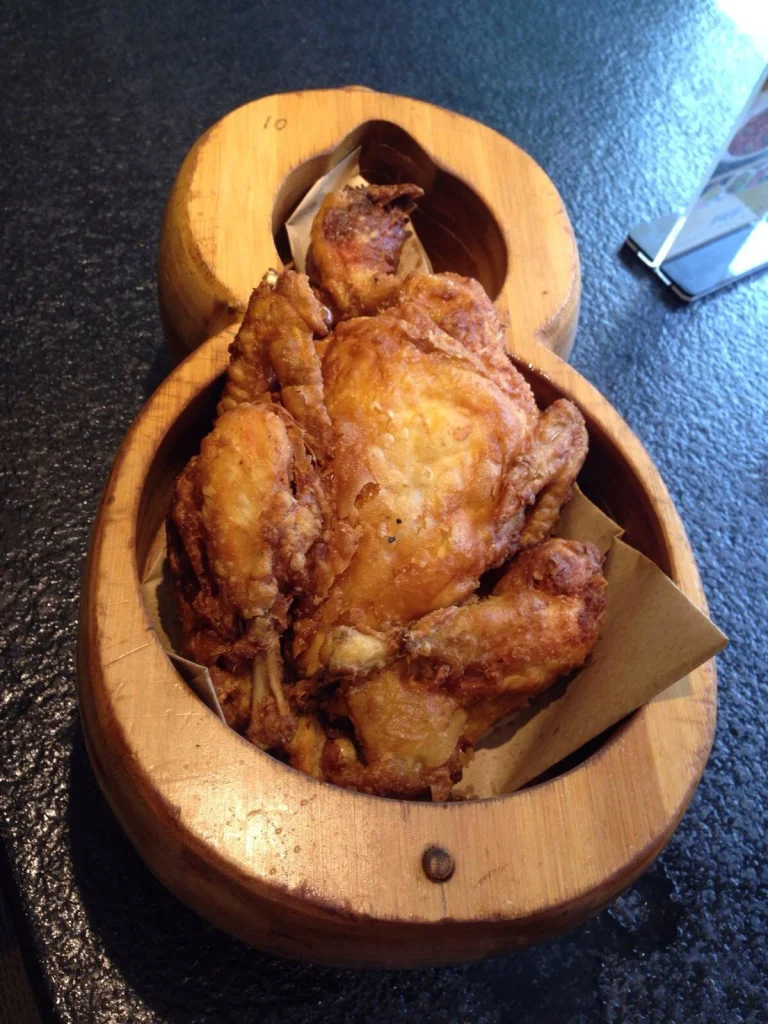
“Chang’an’s Number One Flavor”—crispy on the outside, tender on the inside. Xi’an Restaurant serves the most authentic version, or head to Chunfasheng to pair it with hulutou paomo for a taste of a classic Shaanxi late-night eatery.
Zenggao and Persimmon Cakes
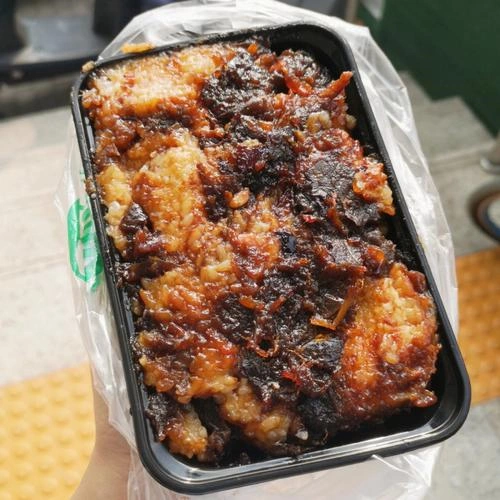
Zenggao, made by steaming layers of glutinous rice and red dates, is sweet, chewy, and filling. Persimmon cakes, made from Lintong’s “Fire Crystal” persimmons, are crispy on the outside, chewy on the inside, and have a gooey center; they’re in season from September to April.
VII. In Closing
A time-honored establishment is more than just a restaurant—it’s a museum you can eat your way through. “Old Xi’an’s Food” is a letter written to Chang’an.
Next time you visit Xi’an, don’t just take photos. Take the time to truly understand “Old Xi’an’s Food,” and have a good chat with it over a bowl of paomo, carefully torn by hand.