First time at Great Mosque of Xi’an? 8 things to know first
- 1. First, figure out where it is: getting there is actually quite simple.
- 2. Admission and Opening Hours: Make a note of the ticket price and opening hours
- 3. Attire and Etiquette: Don’t Take the Dress Code Lightly
- 4. Can non-Muslims enter? The limits of “non-Muslims enter”
- 5. Why It “Looks Like a Temple” But Isn’t One: The Secret of the West-Facing Axis
- 6. The Secret Behind the Absence of Domes and Minarets: The “Hidden” Minaret
- 7.Take Your Time Exploring Each Courtyard: The True Treasures Within the Four (or Five) Courtyards
- 8. Grab a bite at Muslim Quarter while you’re there: It’s a hidden gem
- Is it really worth a visit?
- FAQ
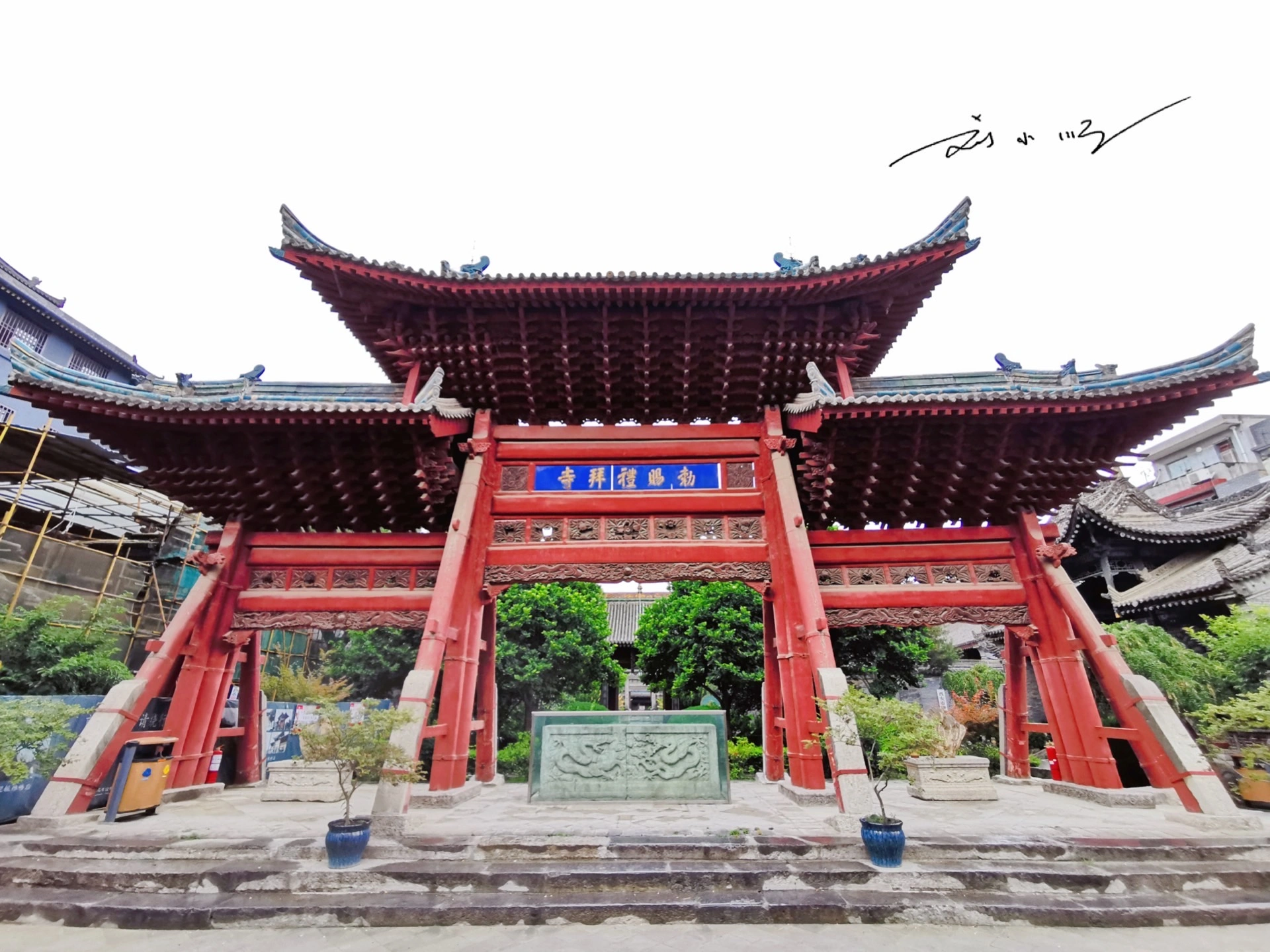
The first time I turned into Huajue Lane following my GPS, I almost thought I’d taken a wrong turn—there before me stood a traditional Chinese wooden archway with upturned eaves that looked exactly like the entrance to a Taoist temple. It wasn’t until I saw the stone stele inscribed with Arabic script embedded in the wall that it dawned on me: this was the legendary Great Mosque of Xi’an, the one that “looks like a temple.” If this is your first visit, I recommend keeping these 8 things in mind before you go so you won’t be completely lost when you arrive. I’ve taken several friends there since then, and almost everyone’s first reaction was, “Is this really a mosque?” So I’m listing the common pitfalls here to help you avoid them.
1. First, figure out where it is: getting there is actually quite simple.
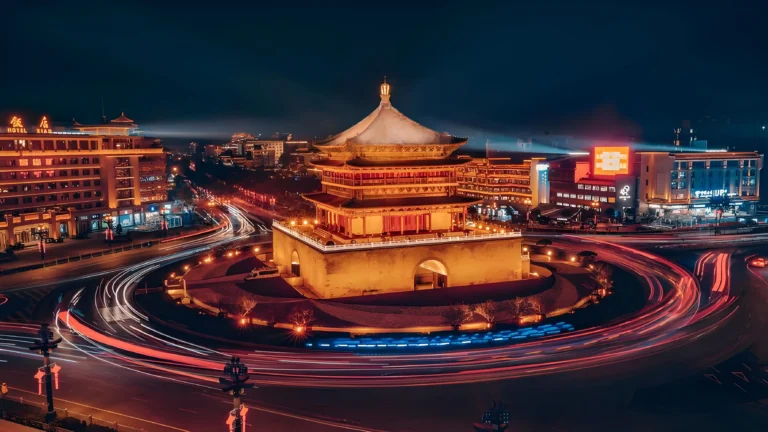
The Great Mosque of Xi’an is tucked away on Huajue Lane, deep within Xi’an’s Muslim Quarter, just about 300 meters from the Drum Tower. The easiest way is to take Metro Line 2 to “Bell Tower Station.” Exit the station and walk west for a few minutes to the Drum Tower, then turn north onto Huajue Lane—it’s a five- to ten-minute walk from there. Buses are also convenient; several routes, including Nos. 7, 15, and 32, stop at “West of Bell Tower” station. To put it simply, you don’t need to worry about “how to get there” at all—the real challenge lies in finding that inconspicuous alley entrance amid the bustling Beiyuanmen Food Street. I recommend setting “Drum Tower” as your destination on the map before you leave, and then asking for directions once you arrive—that’s the safest bet. If you want to combine the City Wall and Xi’an Muslim Street into a single walking route, you can also refer to this walking itinerary.
2. Admission and Opening Hours: Make a note of the ticket price and opening hours
You must purchase a ticket to enter the Great Mosque of Xi’an. The ticket price is 25 yuan during the peak season (March through November) and 15 yuan during the off-season (December through February of the following year). Admission is free for Muslim worshippers, and discounts are available for students, seniors aged 70 and older, and children under 1.2 meters tall. Opening hours are generally from 8:00 a.m. to 7:00 p.m. daily, though they are sometimes extended to 8:00 p.m. during peak season. Admission closes about one hour before closing time; please check on-site announcements for specifics. Based on my personal experience, avoid visiting on Fridays during the Jumu’ah prayer when crowds are at their peak. Going after 10:00 a.m. or before dusk offers the most pleasant lighting and the fewest crowds. Jot down the ticket prices and opening hours in your phone’s notes so you won’t be caught off guard when you arrive. Also, keep in mind that the temple occasionally adjusts its opening hours due to religious activities, so it’s best to check the latest announcements on the official website or travel platforms before you go. Spring and fall offer the most pleasant weather; in summer, try to avoid the midday heat, and in winter, remember to dress warmly—the blue-brick floors can get quite cold.
3. Attire and Etiquette: Don’t Take the Dress Code Lightly
This remains an active place of worship, so the dress code is stricter than at typical tourist attractions. Both men and women are advised to cover their shoulders and knees; avoid wearing shorts, spaghetti-strap tops, or overly revealing clothing. When entering the worship area, remove your shoes, hats, and sunglasses; female visitors may also choose to wear a headscarf as a sign of respect. Ultimately, the dress code isn’t meant to make things difficult for visitors, but rather to show basic consideration for those who are praying. I’ve seen visitors wearing spaghetti-strap tops being gently asked to leave, so it’s safest to pack a light jacket in your bag just in case. If you’re bringing a camera, the security checks are actually quite lenient, but please always remember that “this is a place of worship” before giving in to the urge to take photos—respect is always more important than getting the perfect shot.
4. Can non-Muslims enter? The limits of “non-Muslims enter”
Many people worry that non-Muslims might be barred from entering. Rest assured, the Great Mosque of Xi’an is actually quite visitor-friendly; the courtyard, gardens, and the first few inner courtyards are all open to visitors; The only real restriction is in the innermost prayer hall—typically, only Muslim men are allowed inside, while others (including women) can generally only look in from the doorway. So if you’re hoping to “step inside the main hall to see the coffered ceiling,” you might be a little disappointed. But from a sightseeing perspective, even though non-Muslims can’t enter the main hall, simply standing in the fourth courtyard to gaze up at the Phoenix Pavilion and read the calligraphy in the stele gallery is well worth the price of admission. As for any confusion regarding non-Muslims’ access, the on-site signs are very clear—just follow them.
5. Why It “Looks Like a Temple” But Isn’t One: The Secret of the West-Facing Axis
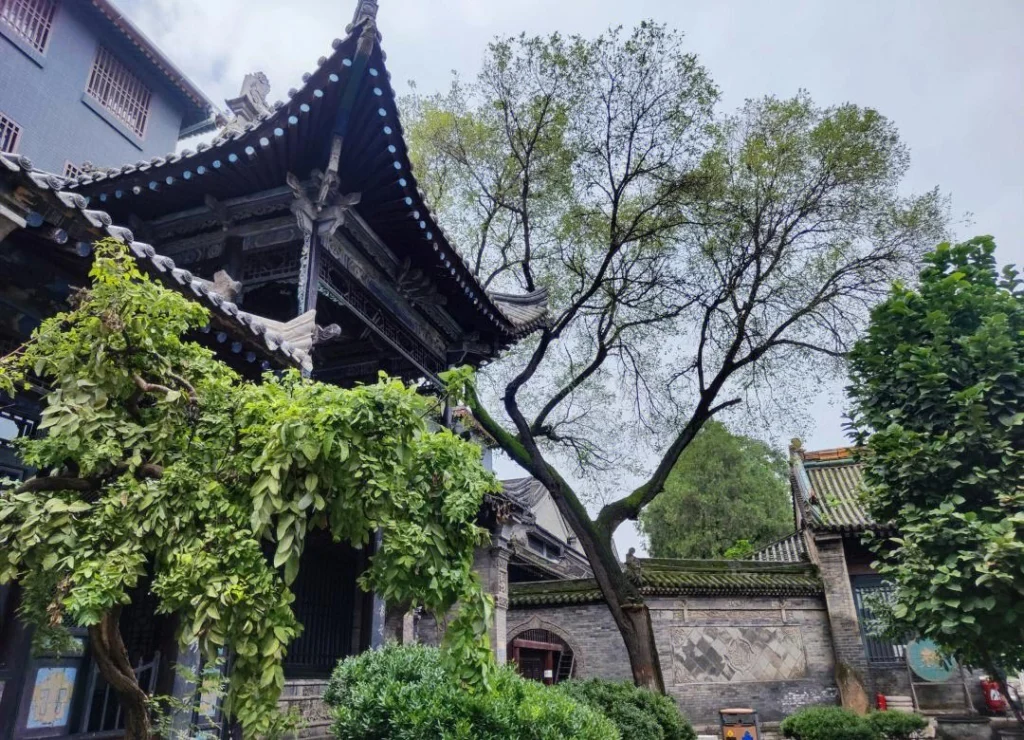
This was the aspect that struck me most during my first visit to the Great Mosque of Xi’an. Traditional Chinese architecture emphasizes a north-south orientation and alignment along feng shui axes, yet this mosque is oriented east to west, with its entire central axis pointing directly toward Mecca (qibla). In other words, it uses the entire vocabulary of Chinese courtyard architecture to fulfill an Islamic ritual of orientation. As you walk deeper and deeper along the central axis, you’ll find yourself torn between the thoughts, “This is a Chinese courtyard” and “This is a mosque”—and the most fascinating aspect of the Great Mosque of Xi’an lies precisely in this “apparent contradiction that is, in fact, internally consistent.” If you’d like to see a more comprehensive on-site account, this in-depth article about the Great Mosque of Xi’an goes into greater detail.
6. The Secret Behind the Absence of Domes and Minarets: The “Hidden” Minaret
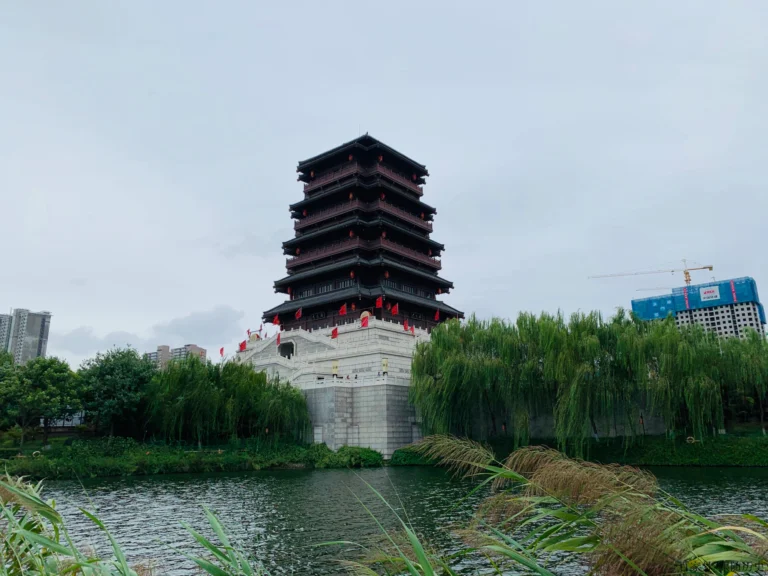
If you’ve seen mosques elsewhere, you’ll likely instinctively look for golden domes and slender minarets. But the Great Mosque of Xi’an has neither. One reason is quite practical: according to academic research (from the Middle East Institute), in ancient Xi’an, to preserve the city’s feng shui, the authorities did not welcome towering structures that stood out. So, ingenious craftsmen combined the “Bangke Tower” and the “Wangyue Tower” into a three-story, octagonal Chinese-style pavilion—the Xingxin Tower. Professor Steinhardt of the University of Pennsylvania even believes that this seemingly purely Chinese-style structure is, in essence, a “minaret disguised as a Chinese pavilion.” This is also, in my view, the most interesting little-known fact worth sharing with friends.
7.Take Your Time Exploring Each Courtyard: The True Treasures Within the Four (or Five) Courtyards
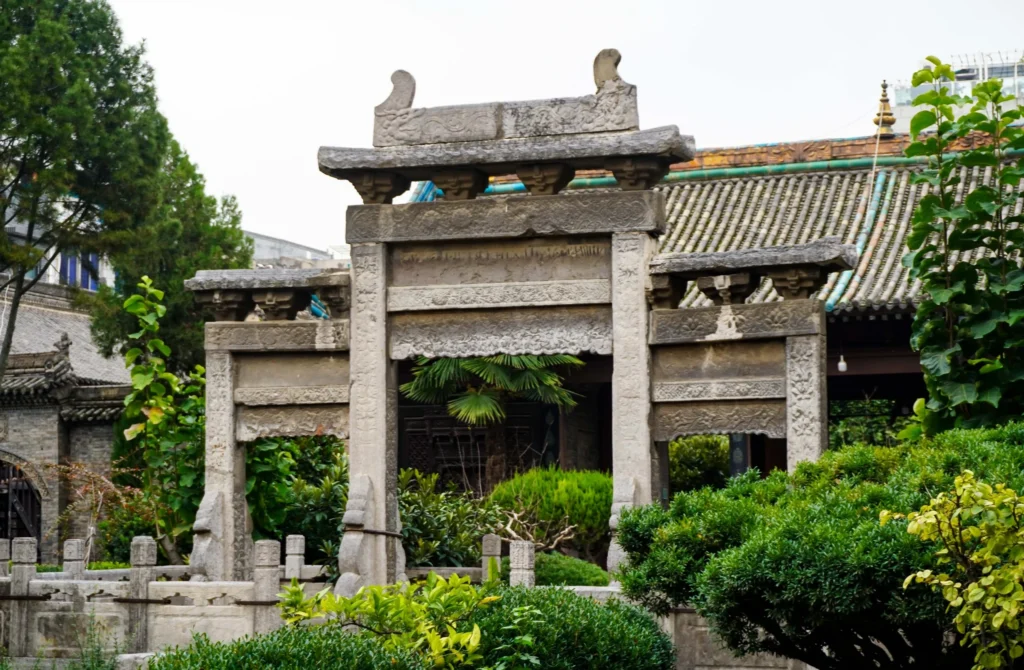
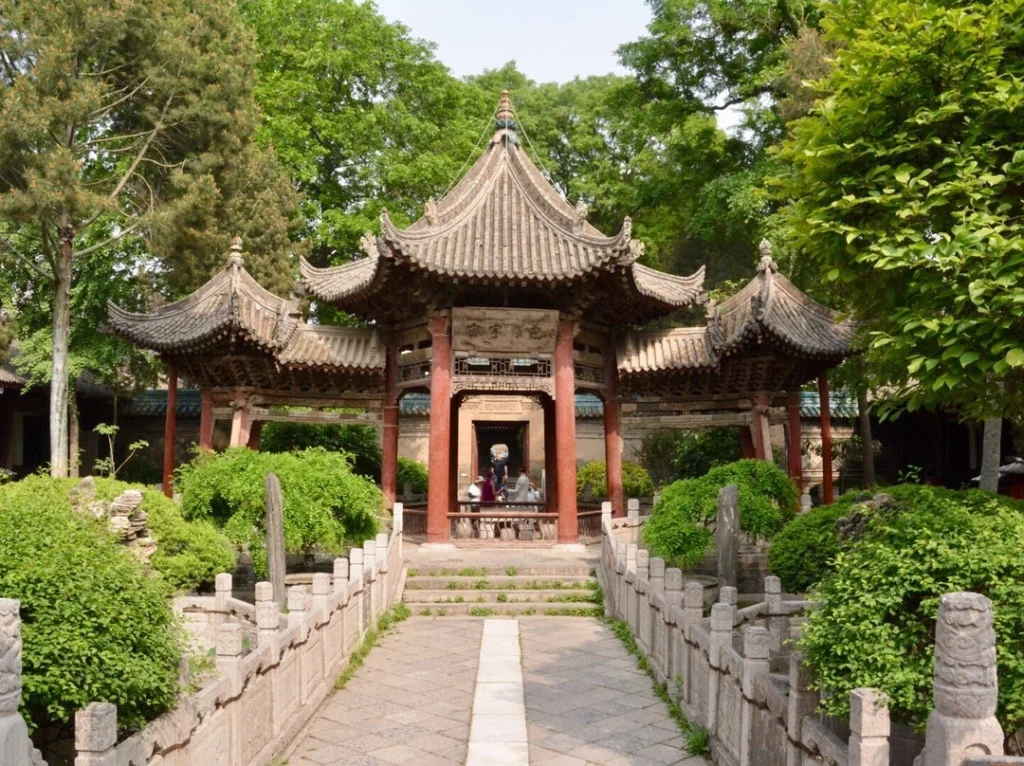
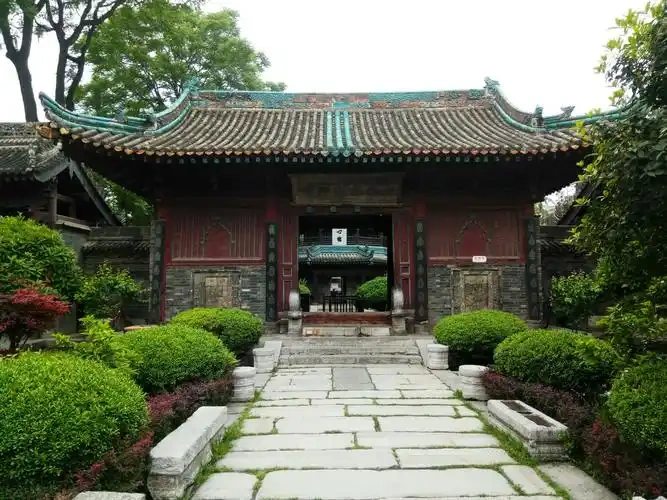
The entire temple is divided into four courtyards (though some sources list five). The nine-meter-tall wooden archway in the first courtyard is said to have been built without a single nail; the second courtyard features stone steles inscribed by Mi Fu of the Song Dynasty and Dong Qichang of the Ming Dynasty, which are prized treasures in calligraphy circles; the third courtyard houses the Shengxin Pavilion; the fourth courtyard features the Phoenix Pavilions—three connected structures resembling a bird spreading its wings. What’s most worth pausing to admire, however, are the steles and calligraphy scattered throughout the temple—including a style known as “Sini script,” which renders Arabic characters with the brushwork of a Chinese calligraphy brush, allowing the two scripts to complement each other on the same wooden plaque. At the far end stands the Prayer Hall, featuring a turquoise-colored hip-and-gable roof—a style second in prestige only to the yellow-tiled roofs of the Forbidden City. Inside, 30 wooden plaques are engraved with the full text of the Quran, arranged with the upper verses in Arabic and the lower verses in Chinese. Unfortunately, the general public is only allowed to stop at the doorway and catch a glimpse from there. If you have time to spare, take a moment to linger beneath the Shengxin Pavilion in the third courtyard and watch the sunlight filter through the overhanging eaves onto the blue-glazed bricks—that sense of tranquility, separated from the hustle and bustle outside the mosque by just a single wall, feels like two entirely different worlds.
8. Grab a bite at Muslim Quarter while you’re there: It’s a hidden gem
As soon as you step out of the Great Mosque of Xi’an, you’ll find yourself right in the Muslim Quarter. The halal delicacies here go far beyond roujiamo: biangbiang noodles (Xi’an famous noodles), yangrou paomo, liangpi, grilled lamb skewers… This culinary alley, tucked away off Huajue Lane, is where Xi’an truly comes alive. I always follow the “formality first, indulgence later” approach: I spend half an hour in quiet reflection at the mosque before heading out to feast—it’s the perfect rhythm. If you’re a food lover too, I recommend setting aside plenty of time for the Muslim Quarter—don’t just pass through. The Drum Tower is right south of the mosque, so you can check it out while you’re there.
Is it really worth a visit?
At this point, you’re probably asking yourself: Is it worth visiting? My answer is a resounding yes. Beyond the “grand spectacles” like the Terracotta Army and the City Wall, the Great Mosque of Xi’an offers something more serene—two great civilizations coexisting within the same courtyard without losing their distinct identities. Admission is affordable, and it’s incredibly soothing when there aren’t many visitors. So, is it worth visiting? I think the answer is clear: absolutely. The next time someone asks you what makes Xi’an special—besides Hui Muslim Street—don’t forget to mention this mosque. Is it worth visiting? I’d say, just go.