Free & Hidden Attractions in Xi’an: Local Gems Most Tourists Miss
- A Splash of Red at the Northwest Corner of the City Wall: Guangren Temple and Shuncheng Alley
- The Small Wild Goose Pagoda and the Xi’an Museum: A Serene Alternative to the “Big Wild Goose Pagoda”
- The Old Vegetable Market and Shuyuanmen: Everyday Life and Cultural Heritage at the Foot of the City Wall
- Xingqing Palace and Qujiang Pool: A Free Sequel to the Imperial Gardens of the Tang Dynasty
- Xiangzi Temple, Wangji Temple, and Qinglong Temple: Millennium-Old Temples in the Heart of the City
- A Different Take on Nighttime Sightseeing: Don’t Just Visit the Great Tang Everbright City
- Practical Information: Tickets, Hours, and Transportation—All in One Place
- FAQ
- In Closing
When people think of Xi’an, the first three things that usually come to mind are the Terracotta Army, the Big Wild Goose Pagoda, and Hui Muslim Street. But to be honest, if you focus only on these, it’s like you’ve only turned the first page of a thick book. I’ve lived here for quite some time, and the more I explore, the more I realize that the most charming spots in Xi’an are often the ones that don’t charge an admission fee. What really got me hooked were those hidden corners that cost nothing and have almost no lines. This post is dedicated to discussing the most underrated group among Xi’an’s attractions—the free, off-the-beaten-path local gems.
Looking through search results for “attractions in Xi’an,” nine out of ten listings are just the same old list. But the real charm of Xi’an lies in the alleys nestled at the foot of the city walls and the parks where locals go for a stroll. I’ve ranked the following spots for you based on “how free they are + how enjoyable they are to explore.” Many first-time visitors to Xi’an pack their itineraries with trendy Instagram spots, only to realize after they return that they’ve missed out on the most relaxing half of the experience.
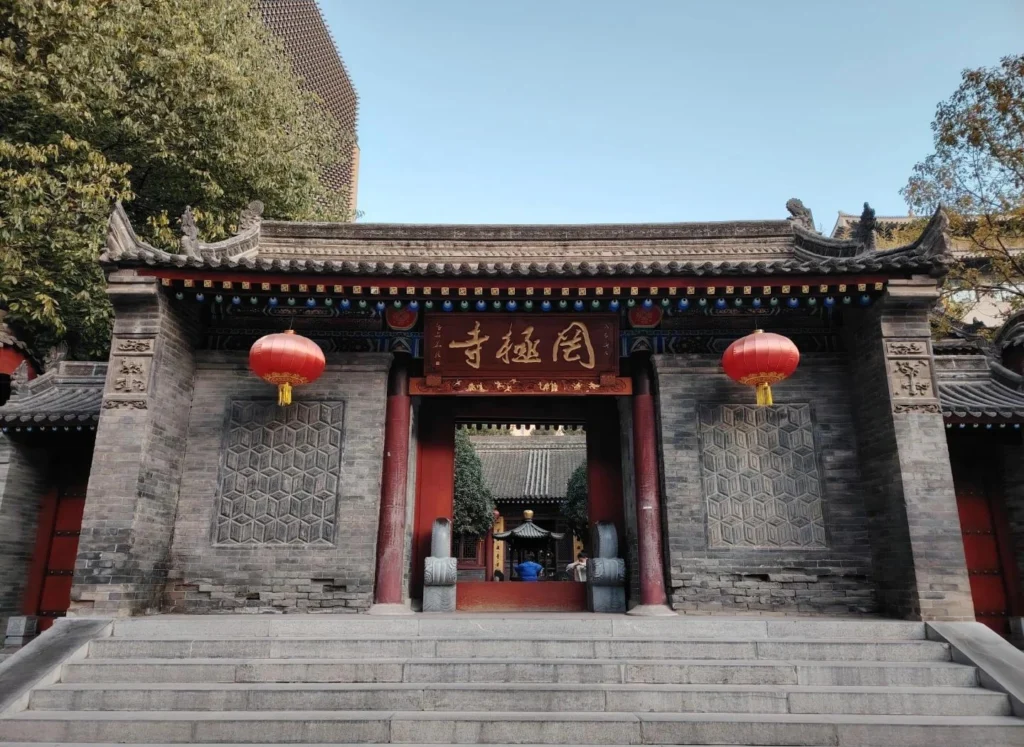
A Splash of Red at the Northwest Corner of the City Wall: Guangren Temple and Shuncheng Alley
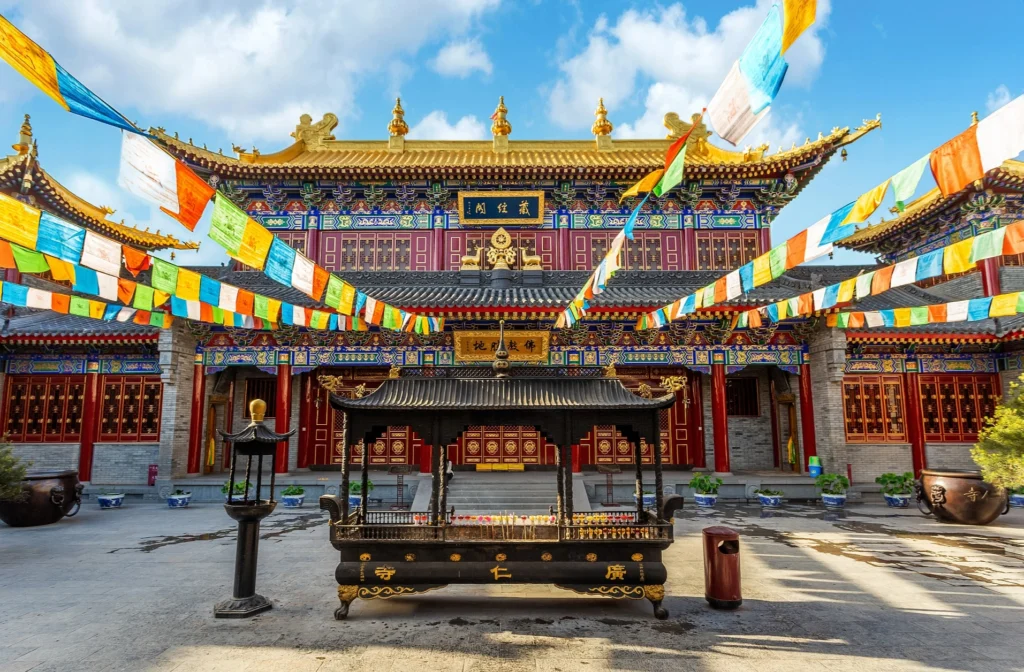
On the list of free attractions in Xi’an, Guangren Temple almost always ranks first. If you ask me, it’s undoubtedly the most photogenic of all the free attractions in Xi’an. As Shaanxi’s only Tibetan Buddhist monastery, its vermilion walls, gilded roofs, and prayer flags create a distinctly Tibetan atmosphere with just a casual snap—yet you’ll hardly see any tour groups there. Admission is free; simply register with your ID to enter—no advance reservation required. Opening hours are approximately 7:30 a.m.–5:30 p.m. It’s a seven- or eight-minute walk from Exit D of Yuxiangmen Station on Metro Line 1. After exploring the temple, head south along the base of the city wall to Shuncheng Alley—a free walking path that runs right alongside the Ming Dynasty city wall. In the evening, locals gather here to play chess and sing Qinqiang opera. It’s far more interesting than paying 54 yuan to climb the city wall—and it doesn’t cost a penny.
The Small Wild Goose Pagoda and the Xi’an Museum: A Serene Alternative to the “Big Wild Goose Pagoda”
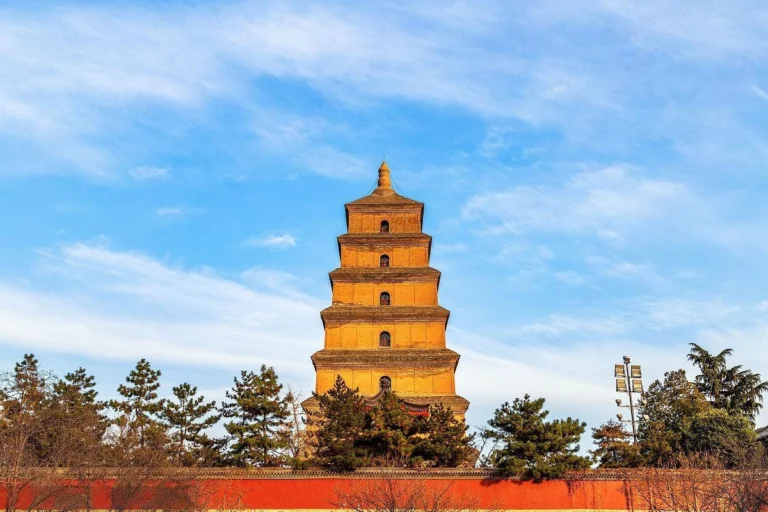
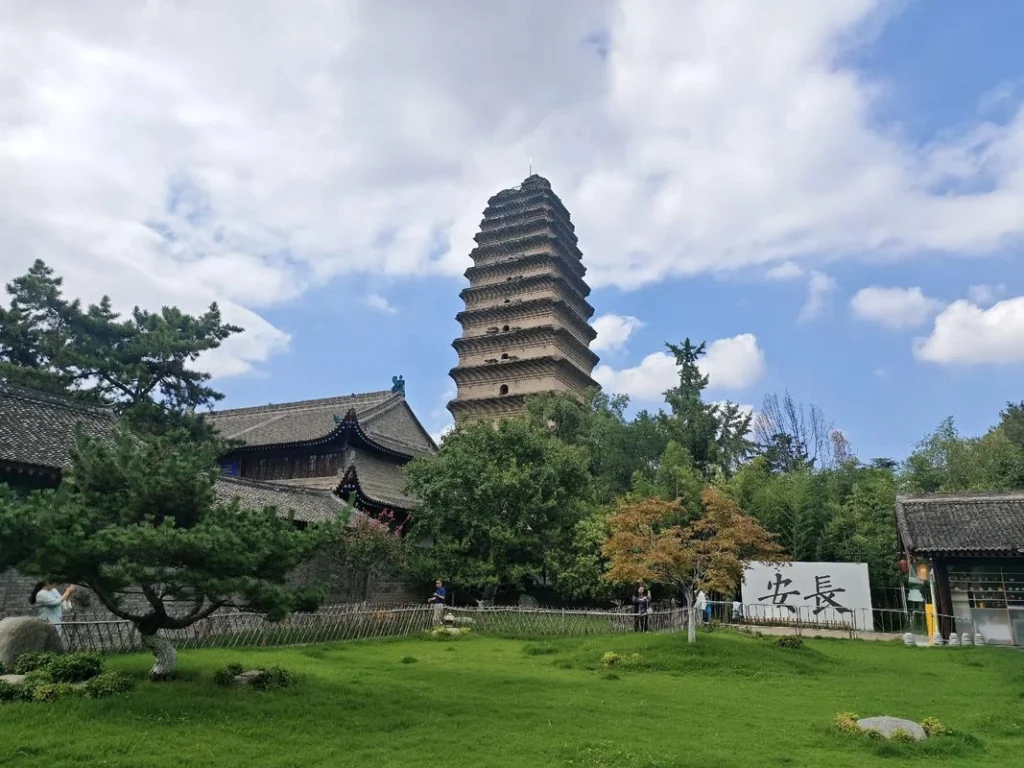
If you ask me which of Xi’an’s Tang-style ancient pagodas is most worth exploring at a leisurely pace, I’d cast my vote for the Small Wild Goose Pagoda. The Xi’an Museum is right next to it; admission is free, but you must make a reservation using your real name (book in advance via the official WeChat account; closed on Tuesdays), and it’s open from 8:30 a.m. to 5:00 p.m. The number of visitors here is only a fraction of that at the Big Wild Goose Pagoda. With towering ancient locust trees, red walls, and green tiles, every corner offers the perfect backdrop for classic-style photos. If you’re interested in the exhibits, be sure to check out this list of the top ten must-see exhibits at the Xi’an Museum. The Anrenfang Ruins Exhibition Hall across the street is also free; beneath its glass walkway lie the foundations of a Tang Dynasty neighborhood—it’s so off the beaten path that you might even have the place all to yourself.
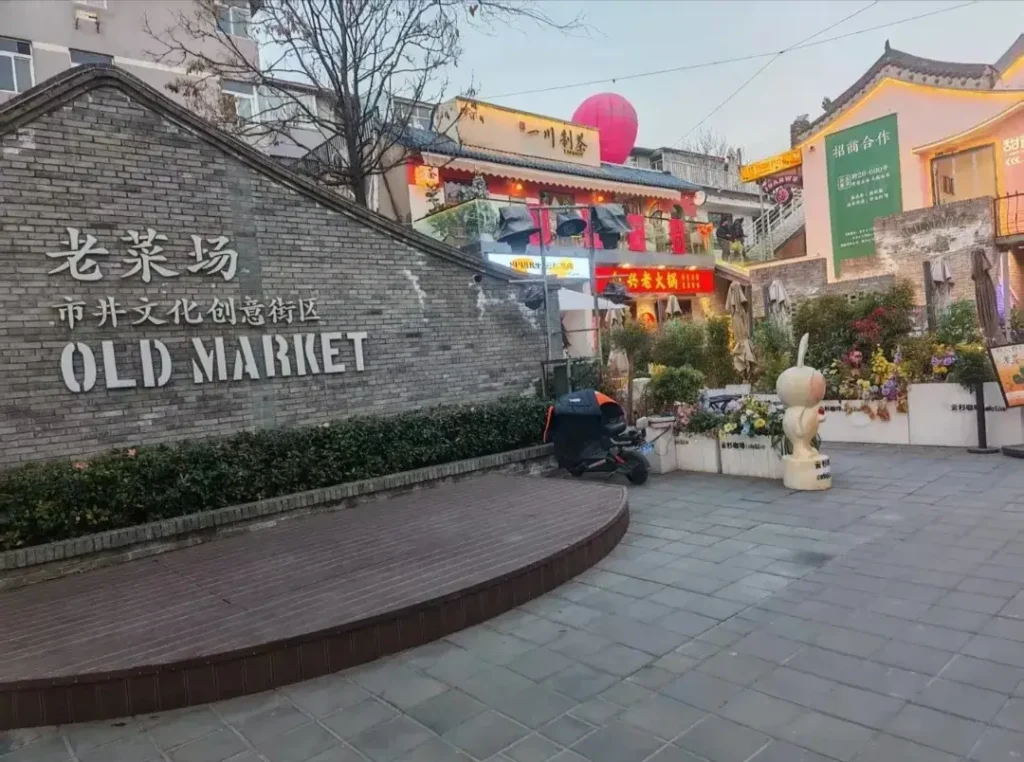
The Old Vegetable Market and Shuyuanmen: Everyday Life and Cultural Heritage at the Foot of the City Wall
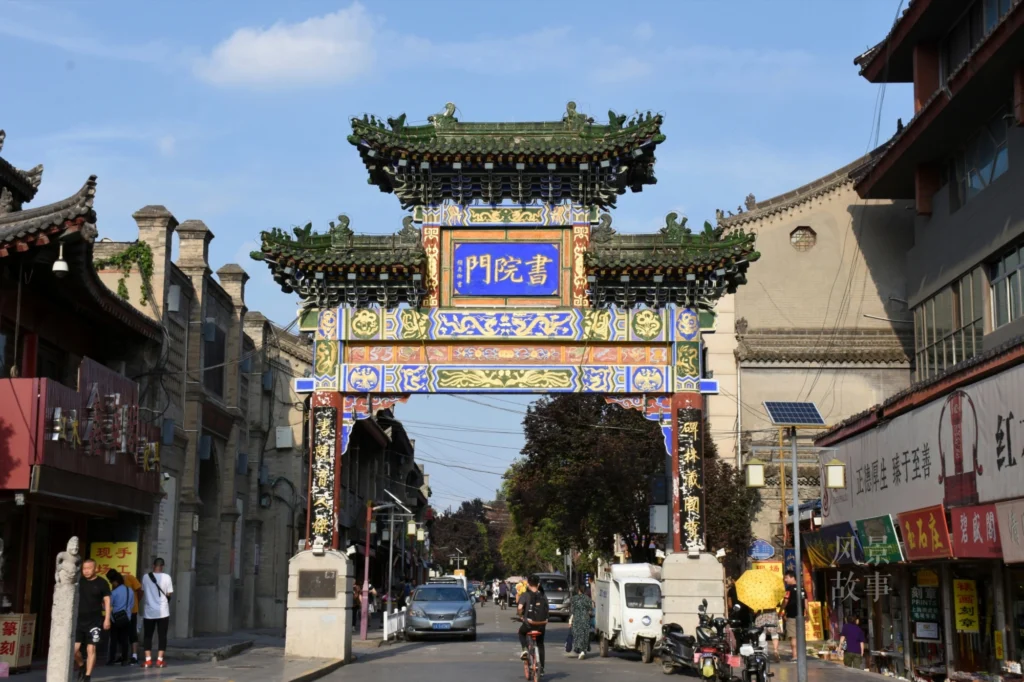
The Old Vegetable Market inside Jianguomen is one of the most striking contrasts among Xi’an’s free attractions. By day, it’s a bustling local market where residents shop for groceries, but from the rooftop terrace, you can look straight out at an entire section of the tang dynasty city that never sleeps. At sunset, the setting sun frames the city bricks like a widescreen movie, making it a popular spot for photos. It’s right outside Dachashi Station on Metro Line 4, and admission is free. On the map of Xi’an’s local attractions, the Old Vegetable Market stands in a class of its own. Head south for a couple of blocks to Shuyuanmen, an old street lined with shops selling brushes, ink, paper, and inkstones, which leads to the Guanzhong Academy at its end—a quiet, scholarly spot. Compared to the crowds on Hui Muslim Street, this is where you’ll find the everyday life of old Xi’an. If you want to delve deeper into the halal food culture behind Hui Muslim Street, this article is worth a read.
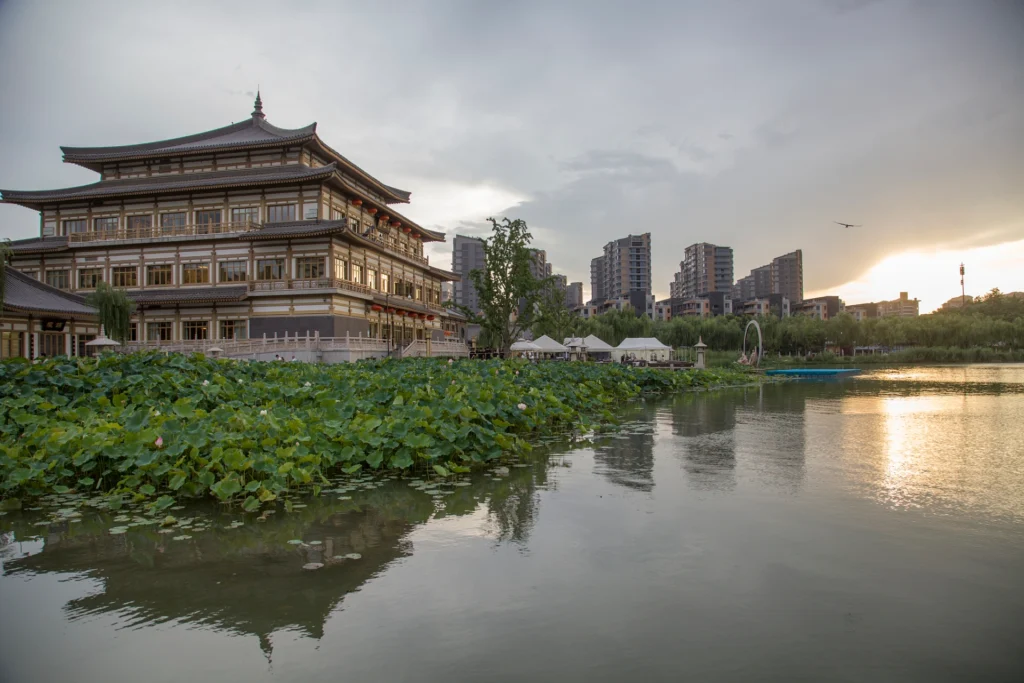
Xingqing Palace and Qujiang Pool: A Free Sequel to the Imperial Gardens of the Tang Dynasty
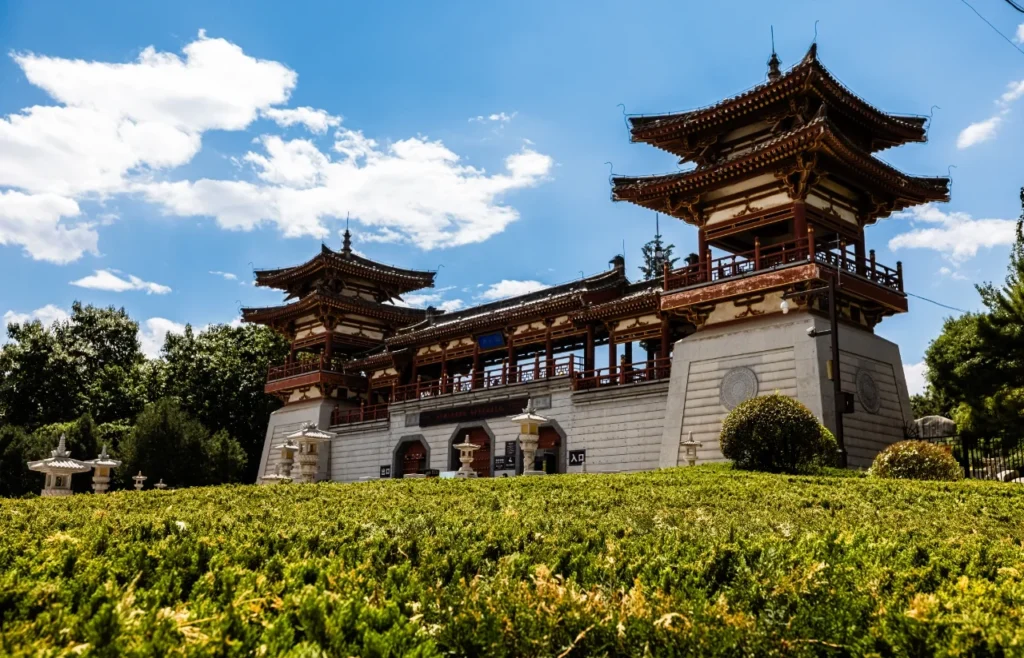
Xingqing Palace and Qujiang Pool are among the most underrated imperial gardens among Xi’an’s attractions. Xingqing Palace Park was once Emperor Xuanzong of Tang’s private garden; it is now open to the public free of charge (approximately 6:00–22:00), and can be reached directly via the Xingqing Palace Station on Metro Line 6. In spring, the tulips form a sea of color; the rest of the year, the lake is vast and the pavilions are serene, and you’re free to rent a boat or not as you please. The Qujiang Pool Ruins Park, set amidst layered hills, is even more spectacular—the former site of the Tang Dynasty’s imperial garden, it’s free all day. At night, the lights reflect on the lake’s surface, making it the locals’ top choice for an after-dinner stroll; the atmosphere is ten times more serene than that of the Great Tang Never-Sleeping City. Visit Qujiang Pool on a summer evening—the evening breeze carries a hint of moisture, making it several degrees cooler than downtown.
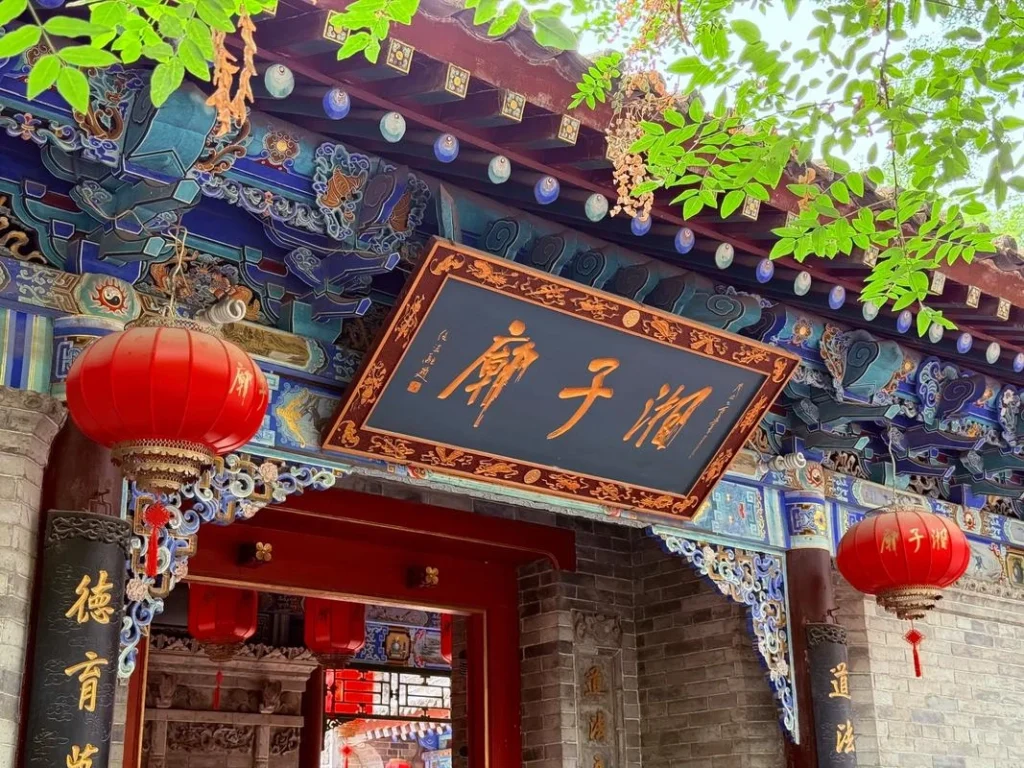
Xiangzi Temple, Wangji Temple, and Qinglong Temple: Millennium-Old Temples in the Heart of the City
Admission to all three is free or nearly free. Xiangzi Temple is located on Xiangzi Street in the Beilin District; it is said to have been the former residence of Han Xiangzi, and its small courtyard with red walls offers a quiet retreat amid the bustling city. Wangji Temple was built by Empress Wu Zetian for her mother; this millennium-old temple sits by the city wall and even has peacocks roaming its courtyard; Qinglong Temple is the ancestral seat of Esoteric Buddhism, famous for its cherry blossoms in spring but virtually devoid of tourists during other seasons. Together, they form the most overlooked “temple map” among Xi’an’s attractions.
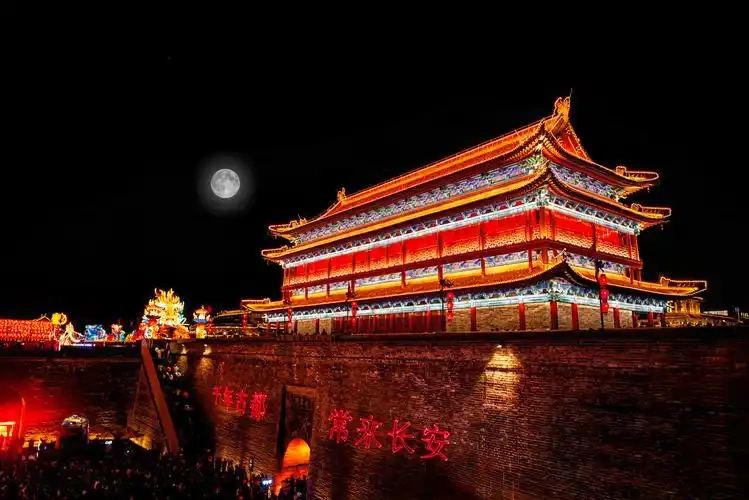
A Different Take on Nighttime Sightseeing: Don’t Just Visit the Great Tang Everbright City
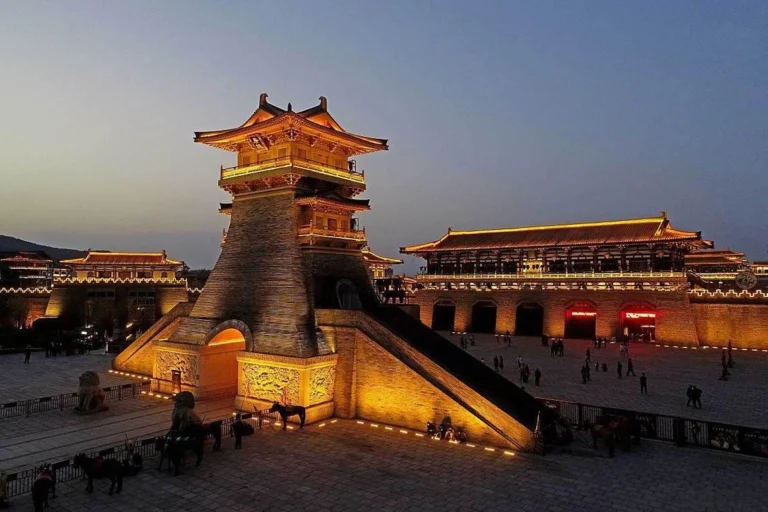
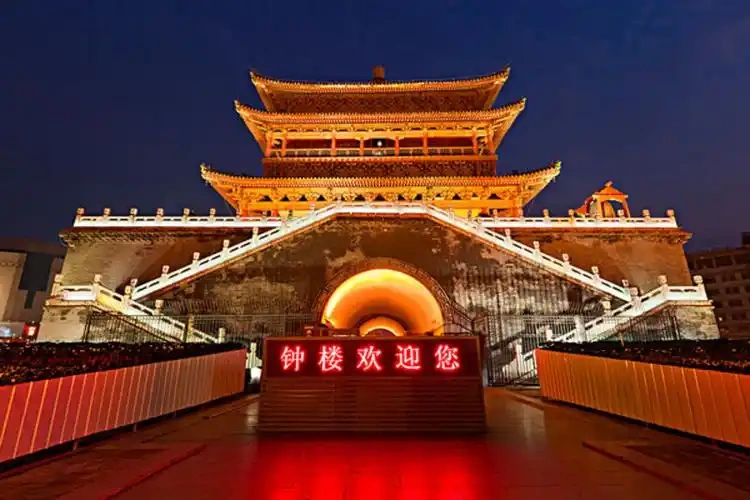
When it comes to Xi’an’s nighttime attractions, the Great Tang Everbright City is usually the first thing that comes to mind. But among Xi’an’s nighttime options, I’d recommend trying something different: a night stroll along the Yongning Gate section of the city wall (54 yuan to climb the wall, or a free walk along the Moat Park), the serene play of lights at Qujiang Pool, the soft glow of Guangren Temple’s red walls and golden roof at night, and the lantern-lit old alleys of Xiangzi Temple Street and Shuyuanmen near the Bell and Drum Towers. When it comes to Xi’an’s nighttime attractions, these quieter options are actually more soothing and allow you to better feel the historical fabric of the “City of the Four Directions.” If you’d like a complete list of nighttime activities in Xi’an, feel free to follow this guide.
Practical Information: Tickets, Hours, and Transportation—All in One Place
Now that we’ve covered the specific list of attractions in Xi’an, it’s time to talk about money and time. In fact, there are far more free attractions in Xi’an than the ones I’ve listed—Xicang Market, Bingjiao Alley, and Daxingshan Temple are all permanently free. Regarding ticket prices for Xi’an attractions, let’s start with the good news: the main entrances to the places mentioned above are always free, so the cost to visit these hidden gems is practically zero; A few, such as the Eight Immortals Hermitage, cost only 3 yuan, while climbing the City Wall costs 54 yuan—these are optional activities, so you can choose based on your budget. Just remember to bring your ID. When planning your visits to Xi’an attractions, be sure to avoid Mondays and Tuesdays for museums—parks, alleys, and the City Wall Park, however, are open all day.
How to Get to Xi’an Attractions: Don’t drive—the subway is your best bet. The Xi’an subway goes almost directly to every free attraction, and you can use a shared bike to cover the last mile. Best Time to Visit Xi’an Attractions: I highly recommend spring and fall. Weekday mornings have the fewest crowds; in April, the tulips at Xingqing Palace are in bloom, and in October, the ginkgo trees at the ancient temples are at their best. In summer, I suggest going out in the evening to avoid the heat, and in winter, the red walls against the snow create a unique charm. How to Get to Xi’an Attractions: It really boils down to one thing: take the subway and use a shared bike—don’t drive yourself.
| Attractions | Admission | Hours | Subway |
| Guangren Temple | Free (ID registration required) | 7:30–17:30 | Line 1, Yuxiangmen Station |
| Xi’an Museum Small Wild Goose Pagoda | Free (Reservation required) | 8:30–17:00 Closed on Tuesdays | Line 2, Nanshaomen Station |
| Old Market | Free | All Day | Line 4, Dachashi Station |
| Xingqing Palace Park | Free | 6:00–22:00 | Line 6, Xingqing Palace Station |
| Qujiang Pool Ruins Park | Free | All day | Line 4, Datang Furongyuan Station |
| Xiangzi Temple | Free | Daytime | Line 2, Yongningmen Station |
| Shuncheng Alley City Wall Park | Free | All day | Accessible via multiple transit lines |
If you want to string these off-the-beaten-path spots together into an itinerary, this Xi’an travel guide has included some hidden gems that are free to visit. If you only have time for one, I’d recommend Guangren Temple—with its red walls, prayer flags, and the ancient city wall all in the same frame. A half-hour is all it takes, yet it captures the essence of Xi’an best.
One final reminder: just because it’s free doesn’t mean you can be careless. For museums and similar venues, remember to bring your ID and make a reservation in advance; Guangren Temple and the Old Market get pretty crowded on weekends, so early mornings on weekdays are the most pleasant.
FAQ
In Closing
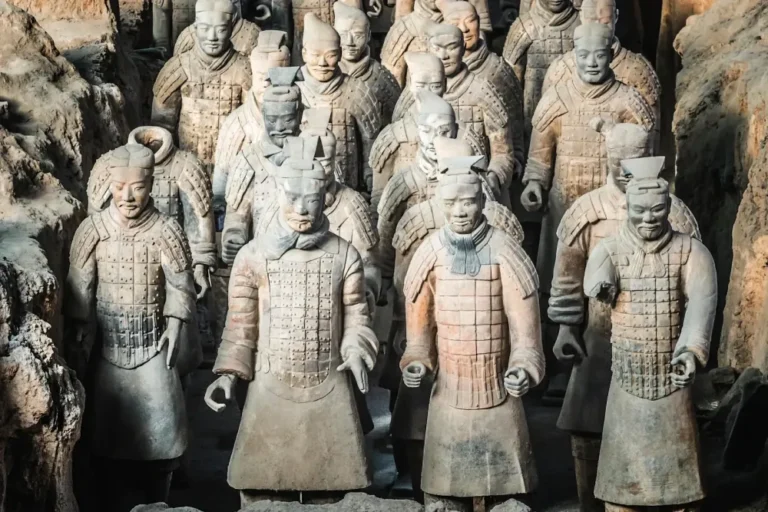
Xi’an’s attractions aren’t limited to the Terracotta Army and trendy streets. Leave the crowds behind—just a few subway stops away—and you’ll stumble upon another side of Chang’an, where red walls, ancient pagodas, bustling streets, and the play of lights intertwine. On your next visit to Xi’an, set aside half a day for these hidden gems—they don’t charge admission, but they’ll generously give you the gift of time.