Terracotta Army China Tours(The Ultimate Guide)
If you’re planning a tour of the Terracotta Army in China, you’ve come to the right place. The Terracotta Army is Xi’an’s most famous attraction. It is often referred to as the “Eighth Wonder of the World.” Every year, countless tourists flock here from all over the world just to catch a glimpse of this army that has stood silent for over two thousand years. This article will cover everything from tickets, xi’an china history, and types of terracotta warriors to visiting tips and related merchandise, helping you get all the information you need in one place. Follow this Terracotta Army China Tours guide, and you won’t run into any pitfalls.
Terracotta Army China Tours
Before you begin your Terracotta Army China tours, here are a few basic facts to know. The Terracotta Army is located in Lintong District, Xi’an, Shaanxi Province. It lies about 1.5 kilometers east of the Mausoleum of the First Qin Emperor. The drive from downtown Xi’an takes approximately 40 to 50 minutes. It’s not exactly close, but the roads are in good condition.
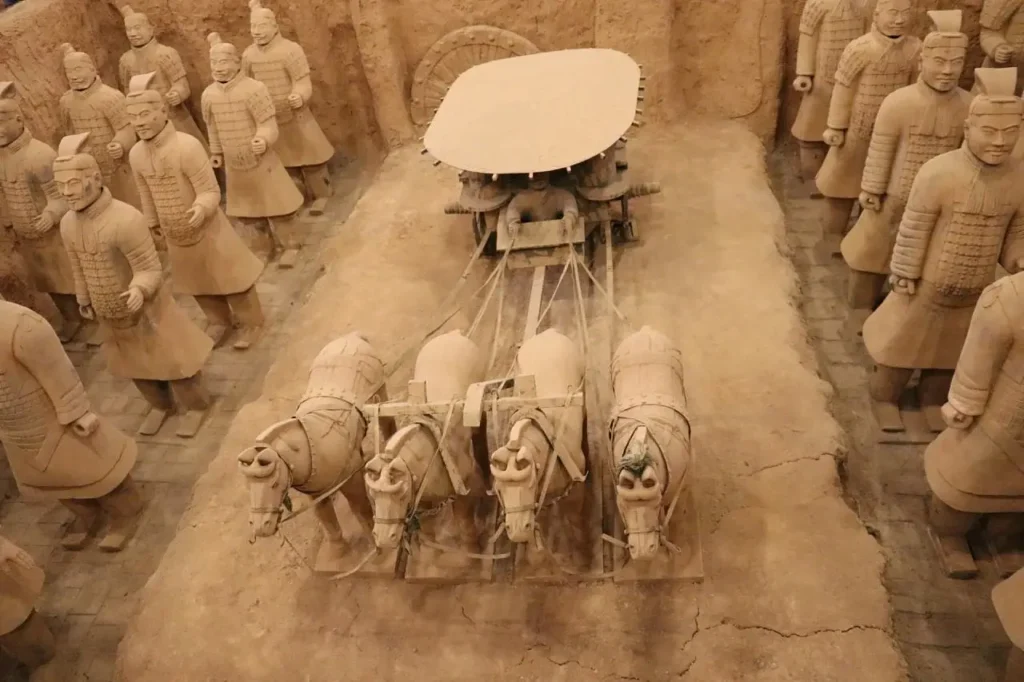
In terms of scale, the Terracotta Army is truly massive. Three pits have been discovered so far. Pit 1 is the largest, Pit 2 features the most diverse array of military units, and Pit 3 is the smallest but contains the highest-ranking figures. Combined, the three pits cover a total area of over 20,000 square meters. There are approximately 8,000 terracotta warriors and horses inside. That number alone is staggering. Standing at the edge of the pits and looking down, you’ll be awestruck by the sheer grandeur of the sight.
Ticket information is also important. The Terracotta Army Museum currently operates on a single-ticket system. Adult tickets cost 120 yuan each. The ticket grants access to both the Terracotta Army Museum and the Mausoleum of the First Qin Emperor. A free shuttle bus runs between the two sites, making it very convenient. You can book and purchase tickets in advance on the official website, or buy them on-site. However, during peak season, it’s best to buy tickets in advance to avoid long lines.
Terracotta Army China Tours FAQ
When planning a tour of the Terracotta Army in China, many people have a few questions that come to mind. Let’s address them one by one.
Question 1: When were the Terracotta Army built?
Construction of the Terracotta Army began in 246 BC. That year, Ying Zheng had just become King of Qin. He was still a 13-year-old boy. The Terracotta Army is part of the Mausoleum of the First Emperor of Qin. Construction of the entire mausoleum took 39 years. It wasn’t until 207 BC, when the Qin Dynasty was on the verge of collapse, that the project was halted. Thus, the construction of the Terracotta Army spanned nearly the entire lifetime of the First Emperor of Qin.
Question 2: When were the Terracotta Army discovered?
The Terracotta Army was discovered relatively late. In March 1974, several farmers in Xiyang Village, Lintong, were digging a well. As they dug, they unearthed some pottery shards and bronze arrowheads. Villager Yang Zhifa sensed something was amiss and reported it to the cultural relics authorities. When the archaeological team arrived and began excavating, they stunned the world. An army buried for over two thousand years was thus brought back to light. That was only about 50 years ago. Therefore, the rediscovery of the Terracotta Army by humanity is actually a very recent event.
Question 3: Why were the Terracotta Army built?
This has to do with Emperor Qin Shi Huang’s beliefs. The ancients believed that after death, people would go to another world. Emperor Qin Shi Huang unified the six states and became emperor. He hoped that even after his death, a powerful army would protect him. Sacrificing living people as burial offerings was too cruel. So he had this army made of clay. Each terracotta warrior looks just like a real person. They are arranged in neat formations, as if ready to march off to battle at any moment. This is why the Terracotta Army was built. Simply put, it is Emperor Qin Shi Huang’s “underground army.”
Question 4: What kinds of weapons are found among the Terracotta Army?
Numerous weapons have been unearthed from the Terracotta Army pits. The total number exceeds 40,000 pieces. Most are made of bronze. The variety is extensive. There are bronze swords—long and sharp—some of which have not rusted to this day. There are spears and halberds, which were the primary equipment of the infantry. There are crossbows and arrowheads; crossbows had a long range and were highly lethal. There are also less common weapons such as curved swords and halberds. The weapons of the Qin Dynasty were crafted with exceptional precision. Some sword blades were even plated with a layer of chromium, which prevents rust. This technology wasn’t adopted in the West until the 20th century. Therefore, the craftsmanship of the Qin Dynasty is truly admirable.
What are the different types of Terracotta Army?
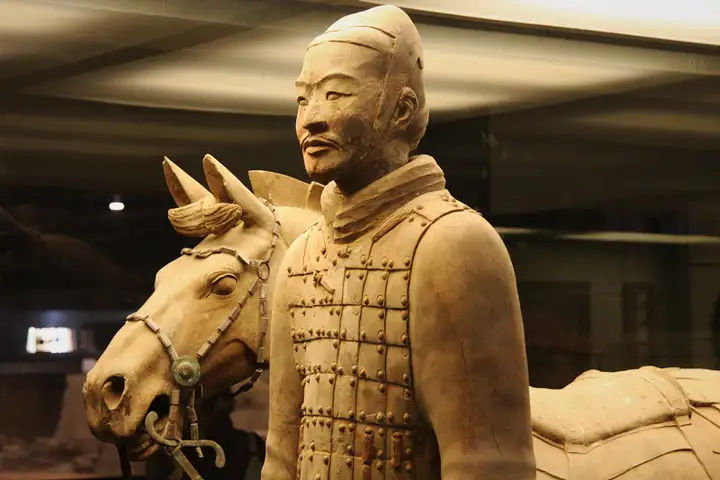
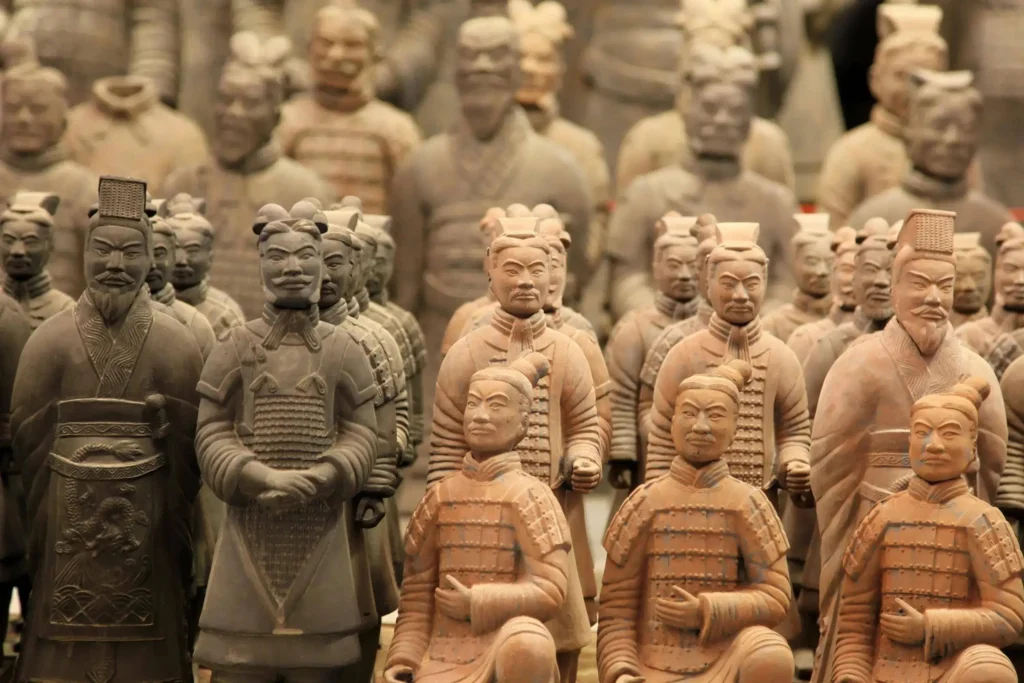
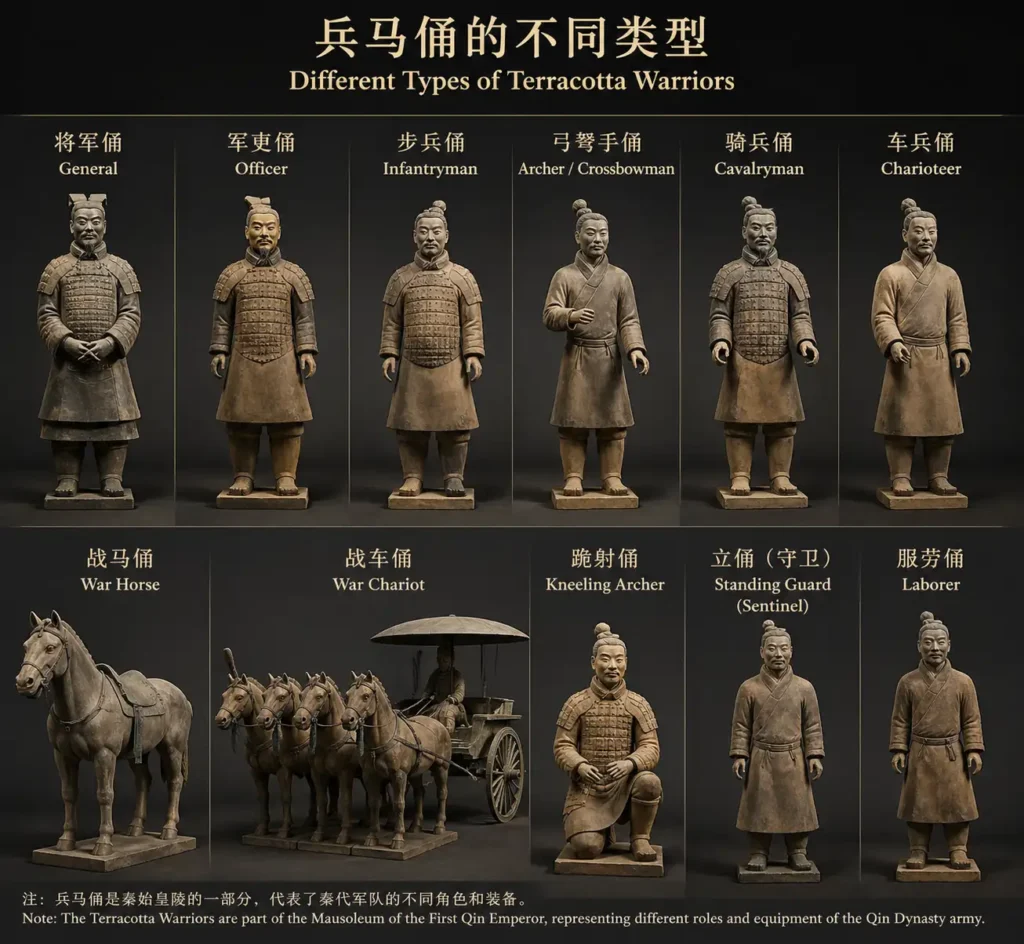
Now that we’ve covered the historical background, let’s turn to the core focus of Terracotta Army China Tours: the terracotta figures themselves. The Terracotta Army is not a uniform collection. The figures are divided by military branch and rank. Every single figure looks different. Artisans used molds to shape the bodies and then hand-carved the faces. As a result, when you look at them, you’ll find that no two faces are alike.
General Figurines
These are the highest-ranking figurines. General figurines are taller than ordinary soldiers. They wear intricately crafted armor and distinctive headgear. Their gestures and postures exude a commanding presence. They are extremely rare; only a few dozen have been discovered so far. Each general figurine is a treasure.
Cavalry Figurines
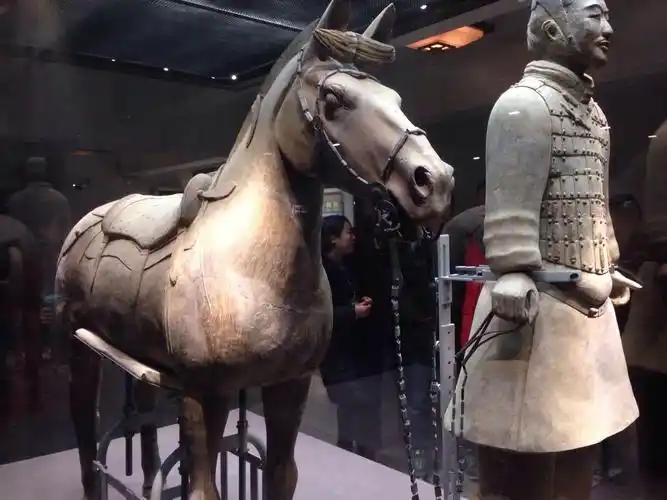
The cavalry figurines stand beside the terracotta horses. They wear short armor and boots. With one hand they lead their horses, and with the other they hold weapons. The Qin cavalry played a pivotal role in the unification of the Six States. These cavalry figurines depict that period of history.
Infantry figures
The infantry figures are the most numerous. They are divided into light infantry and heavy infantry. Light infantry wear cloth garments and are highly mobile. Heavy infantry wear armor and offer strong defense. The infantry figures stand at the front and center of the formation. They form the main body of the army.
Chariot Warriors
The chariot warriors stand beside the chariots. Some are charioteers, while others are soldiers standing on the chariots. Chariots were an important weapon of war during the Qin Dynasty. Each chariot was manned by several soldiers and led the charge in battle.
Kneeling Archer Figurine
This is a very famous piece. The kneeling archer figurine is depicted kneeling on one knee, with both hands in the act of drawing a bow. It is one of the best-preserved types of figurines. Because the kneeling posture keeps the figure low to the ground, the figurines were less likely to be crushed when the pit ceiling collapsed. Many kneeling archer figurines were unearthed from Pit No. 2.
Standing Archer Figurines
These figurines are depicted standing while shooting arrows. Their bodies are slightly leaned back. Their posture is very standard. It is evident that the Qin army was well-trained.
Terracotta Horses
In addition to the terracotta figures, there are also terracotta horses. The terracotta horses are about the same size as real horses. They stand beside the cavalry and chariots. The expressions on the terracotta horses are also very lifelike. Their ears are pricked up, and their mouths are slightly open. It’s as if you can hear them neighing.
When you visit, these figures are all worth taking a closer look at. Each terracotta warrior has its own story. That’s what makes the Terracotta Army China Tours so fascinating.
What should I keep in mind when visiting the Terracotta Army? What are the highlights?
A tour of the Terracotta Army in China isn’t just about rushing through the sights. If you know a few things to keep in mind beforehand, your experience will be much better.
- Schedule: We recommend visiting in the morning. The Terracotta Army opens at 8:30 a.m. Arriving early means fewer crowds and better photo opportunities. If you go in the afternoon, there will be many tour groups, and the area around the pits will be packed with people. The entire visit takes about 2 to 3 hours. Don’t rush—take your time and enjoy the experience.
- How to get there: It’s very convenient to travel from downtown Xi’an to the Terracotta Army. There are direct buses from the East Square of the train station. The fare is very affordable—just a few yuan. The trip takes about 40 to 50 minutes. You can also take a taxi or hire a private car. These options are a bit more expensive but offer greater flexibility.
- Hire a tour guide: This is especially important. The Terracotta Army pits are vast, but there aren’t many information signs. Without a guide, all you’ll see are rows of clay figures. Hire a tour guide, and they’ll share many stories with you—such as how a particular figure was unearthed or why the figures have different hand gestures. The experience is completely different when you view the site after hearing the guide’s explanation. You can find tour guides in the plaza outside. The fee is negotiable, but it’s usually around a few dozen yuan.
- Must-See Highlights: Pit No. 1 is the largest. As soon as you enter, you’ll be greeted by a panoramic view. The scene is truly breathtaking. Thousands of terracotta warriors stand in the pit. The front ranks consist of the vanguard, followed by the main body of the army, with flank guards on either side. The formations are perfectly aligned. Pit No. 2 features the greatest variety of military units. This is where you’ll find the kneeling archers and cavalry figures. You can also see archaeologists working on-site in the pit. You can observe their excavation methods firsthand. Pit 3 is the smallest, but it served as the command center for the entire army. It holds a very high rank. Additionally, the Bronze Chariot and Horse Exhibition Hall is a must-see. Those two bronze chariots and horses are exquisitely crafted. The workmanship is so detailed that even the individual hairs on the horses’ manes are rendered one by one. The bronze chariots and horses are displayed in a separate hall. It is air-conditioned and offers a very pleasant environment.
- Dress appropriately: The Terracotta Army Museum is very large. You’ll be doing a fair amount of walking between the three pits. Be sure to wear comfortable shoes. If you visit in the summer, it can get a bit hot inside, so bring a bottle of water. If you visit in the winter, it’s cold outside, so dress warmly.
- Please follow the rules: Photography is allowed, but please do not use a flash. In some areas, signs will indicate that photography is prohibited; please comply with these instructions. Do not touch the terracotta warriors. Do not throw objects into the pits. These are cultural relics and are very precious. Please follow the instructions of the staff.
What kinds of merchandise are available related to the Terracotta Army?
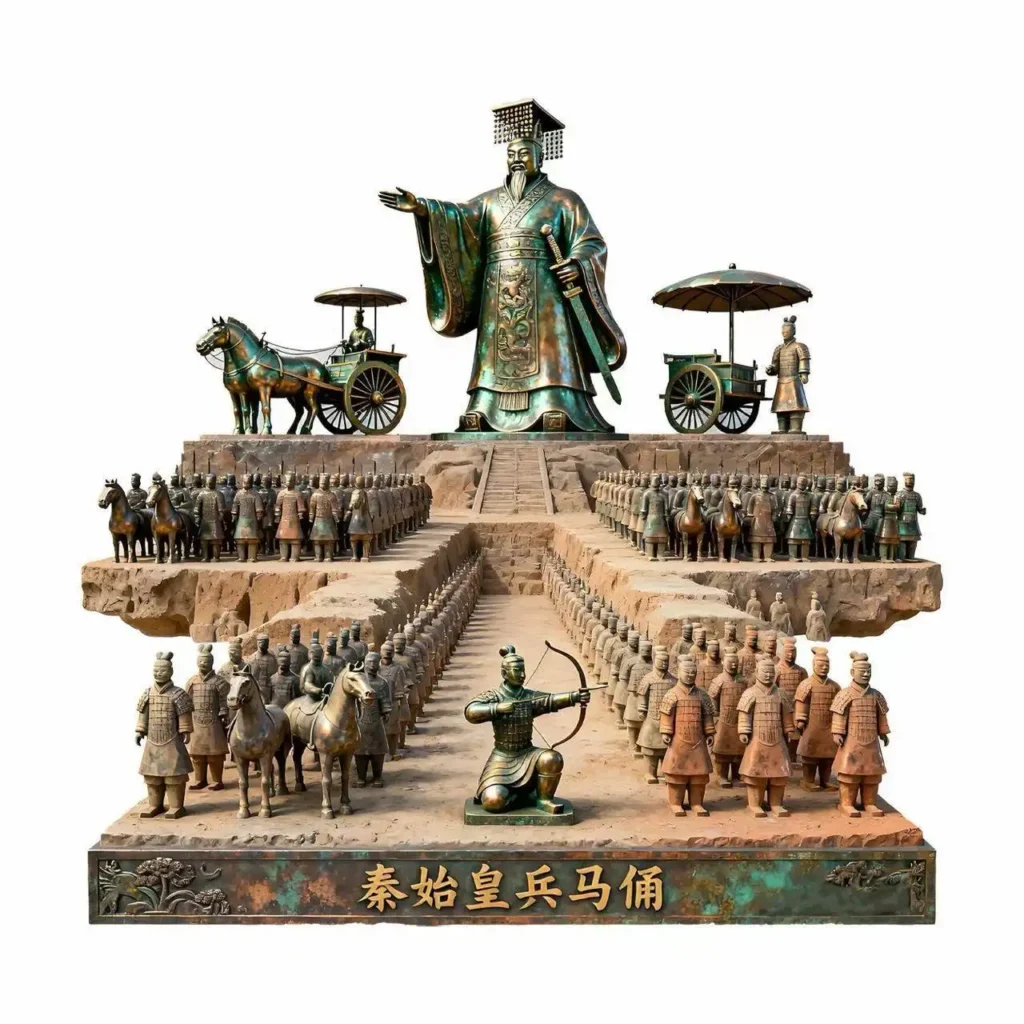
Fridge magnet
This is the most affordable option. The fridge magnets come in all sorts of designs—from general figurines to kneeling archer figurines—and they’re really cute.
Postcard
The designs on the postcards are also beautiful. You can send them to friends or keep them for yourself.

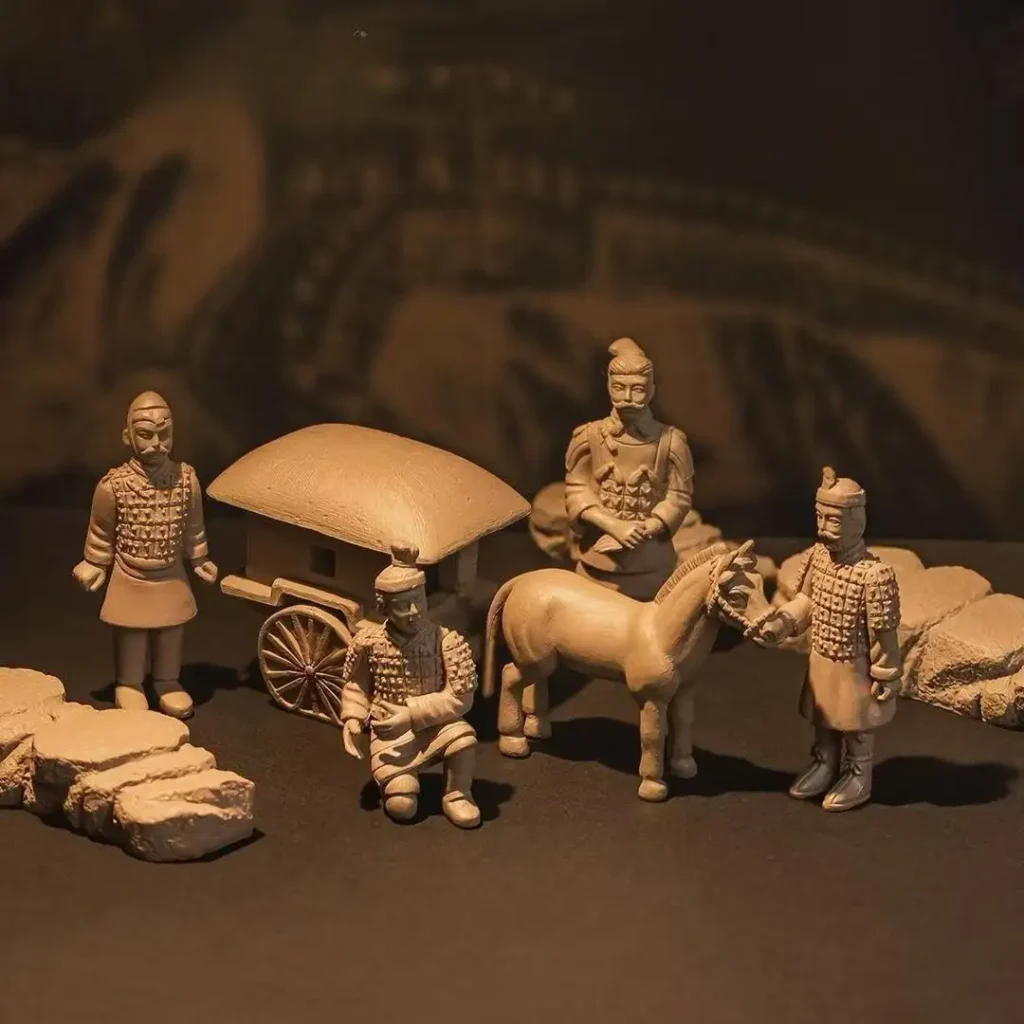
Small ceramic figurines
Many people buy miniature Terracotta Warriors. They come as single figures or in sets of several. The craftsmanship varies in quality. The better ones feature clear details, down to the patterns on the armor. Prices range from a few dozen to over a hundred yuan. Be sure to check the quality before buying.
Keychain
Museums are coming up with more and more interesting cultural and creative products these days, like keychains shaped like the Terracotta Warriors. The designs are really trendy—nothing like the old-fashioned souvenirs of the past.
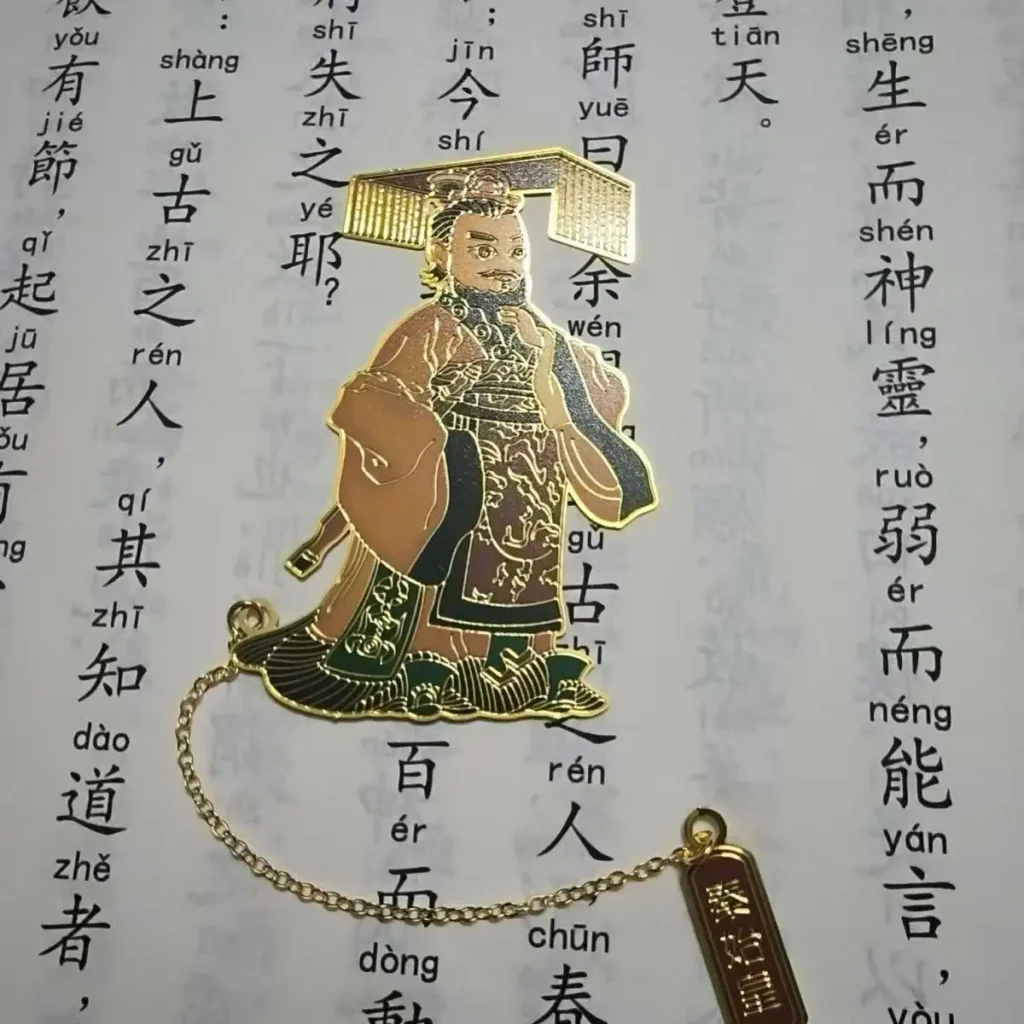
When buying souvenirs, it’s a good idea to check out a few different shops before making a purchase. Prices for the same items can vary from store to store. It never hurts to shop around. They don’t cost much, but bringing them home feels great. These little souvenirs will always remind you of that year you visited the Terracotta Army. That silent army still stands in your heart to this day.
Conclusion
That wraps up this comprehensive guide to Terracotta Army tours in China. We’ve covered everything from tickets, history, and types of exhibits to tips for visiting and related merchandise. Next time someone asks how to plan a Terracotta Army tour in China, just send them this article.