Xian What to See in 2026: 13 Best Attractions & Must-Try Foods
- I. Xian What to See—It all boils down to two things: sightseeing and dining
- II. Questions You Might Have About What to See in Xi'an
- III. Xian What to See—A Complete List of 13 Attractions and Culinary Highlights
- 1. Xian What to See – First Stop: The Terracotta Army
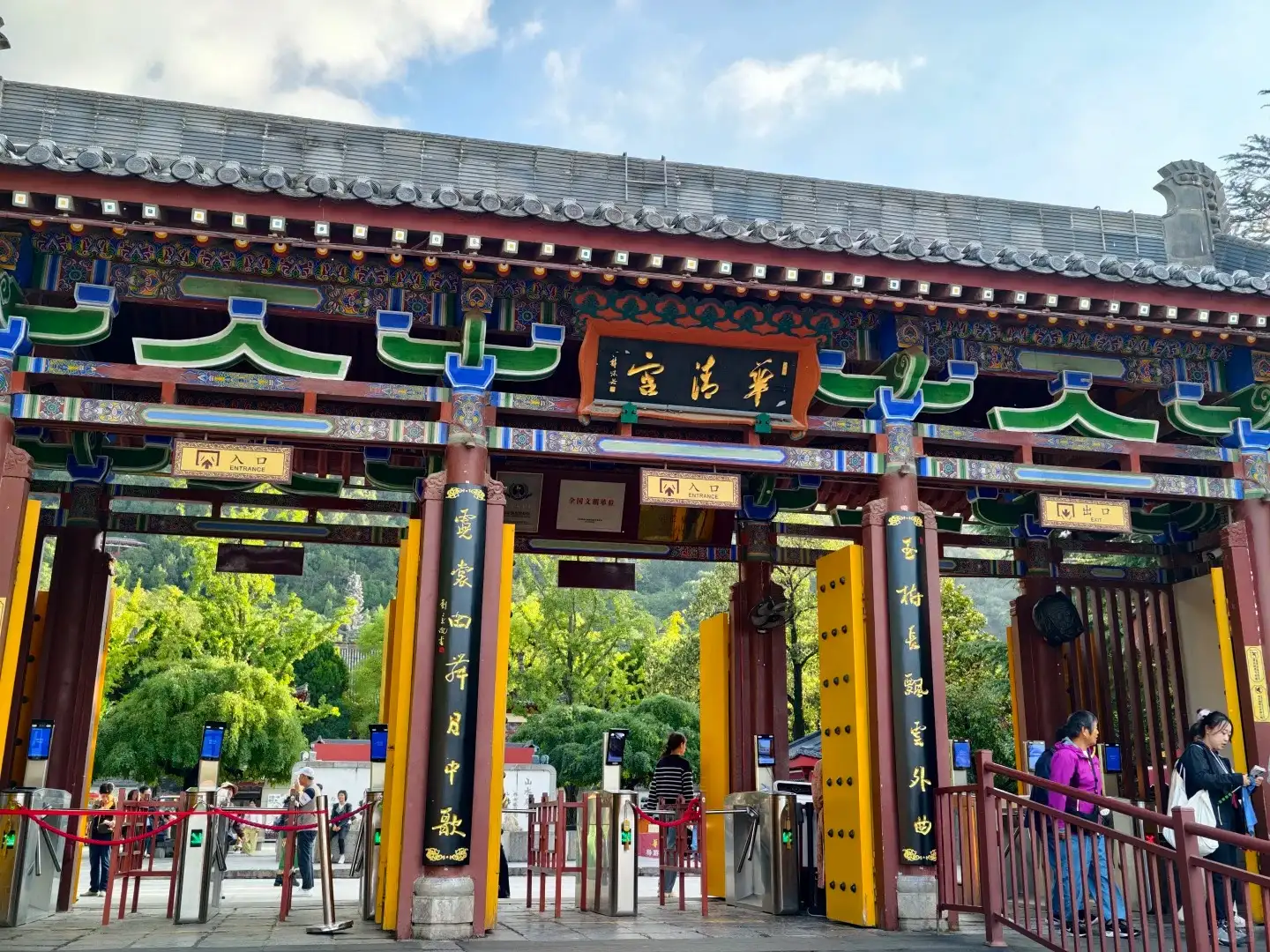
- 2. Xian What to See – Huaqing Palace
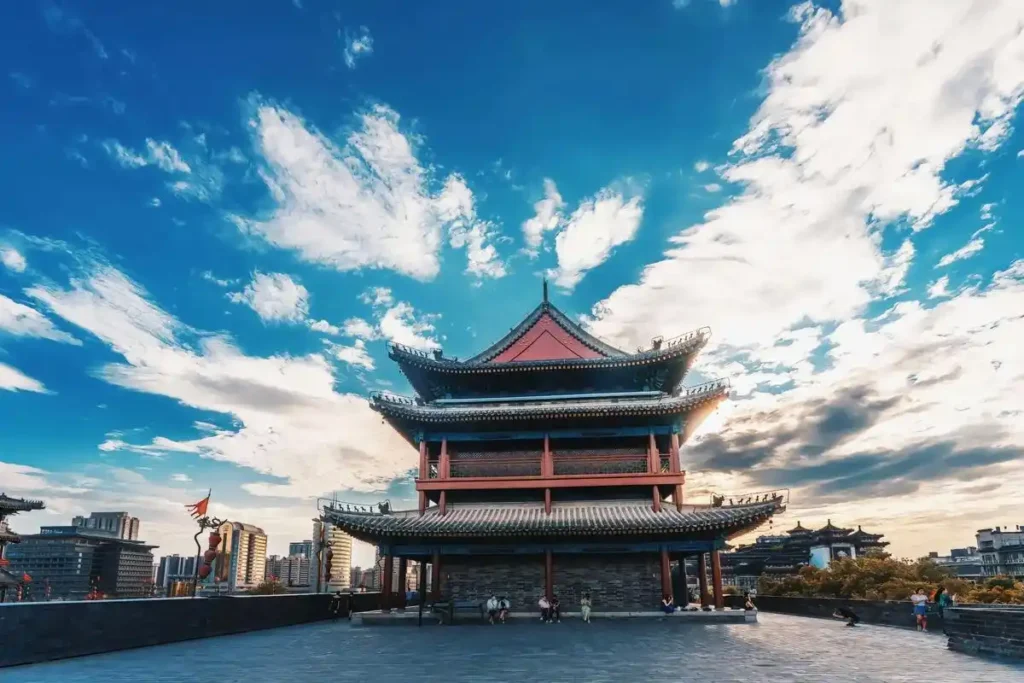
- 3. Xian What to See : Xi'an City Wall
- 4. Xian What to See – Landmarks: Bell and Drum Towers
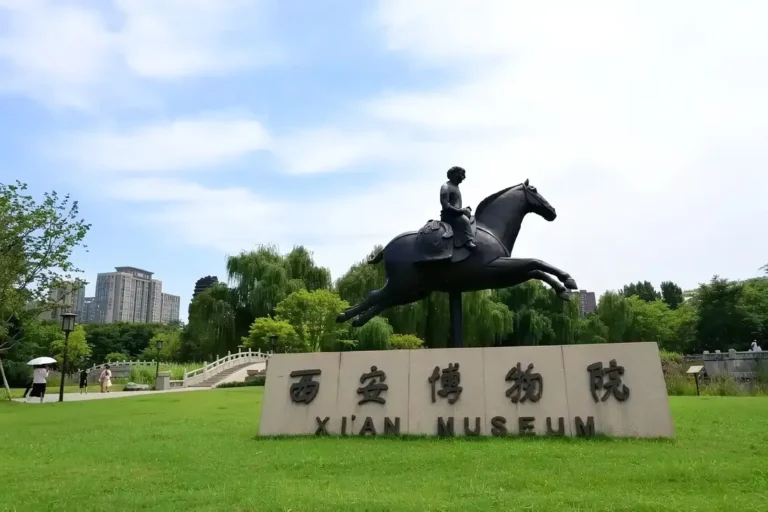
- 5. Xian What to See – Hidden Gem: Shaanxi History Museum
- 6. Xian What to See: Big Wild Goose Pagoda · Da Ci'en Temple
- 7. Xian What to See Nighttime Attraction – Tang Dynasty Everbright City
- 8. Xian What to See – Imperial Gardens: Tang Dynasty Furong Garden
- 9. Xian What to See – Cultural Treasures: The Stele Forest Museum
- 10. Xian What to See – The Culinary Heart: Hui Muslim Quarter
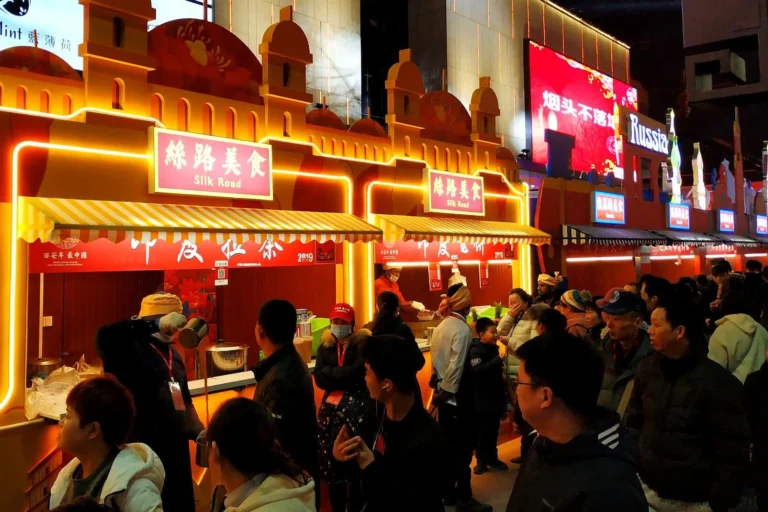
- 11. Xian What to See – The World of Street Food: Yongxingfang
- 12. Xian What to See – Slow Living: Xingqing Palace Park
- 13. Xian Hidden Gems – Tang City Wall Ruins Park
If you’re searching for “xian what to see,” you’ve come to the right place. In 2026, Xi’an’s popularity shows no signs of waning. The Terracotta Army remains awe-inspiring, the sunsets over the city walls are still breathtaking, and the vibrant atmosphere of Hui Muslim Street is as thick as ever. Many people keep asking, “What to see in Xi’an?” The answer, in fact, lies in every breath of this ancient city. Here, you’ll explore millennia-old ruins and savor the diverse flavors of the streets. The list below will help you sort through Xi’an’s must-see sights and must-try foods in one go.
I. Xian What to See—It all boils down to two things: sightseeing and dining
The question of “what to see in Xi’an” is actually quite simple when broken down. You’ll explore the historical sites left behind from the Zhou, Qin, Han, and Tang dynasties, and savor the street food flavors that have been passed down for centuries. You don’t have to choose between sightseeing and food. The best way to experience the city is to visit a landmark, then turn and walk into the alley next door—where you’re sure to find hidden culinary gems known only to locals. So, understanding “what to see in Xi’an” means letting this city captivate both your eyes and your palate. When you visit Xi’an in 2026, remember this principle: let your eyes take in the history, and let your palate savor the local flavors. Neither can be overlooked.
II. Questions You Might Have About What to See in Xi’an
Q: Which attractions in Xi’an are worth visiting in 2026?
The Terracotta Army is the top attraction—there’s no debate about that. Next are the Xi’an City Wall, the Big Wild Goose Pagoda, the Bell and Drum Towers, and the Shaanxi History Museum. These five sites make up the heart of Xi’an. If you have enough time, be sure to also visit Huaqing Palace, Tang Dynasty Everbright City, Tang Dynasty Peony Garden, and the Stele Forest Museum. When asked “What to see in Xi’an?”, every local will tell you: each of these places has its own story, and you can only truly appreciate their charm by taking your time to explore them.
Q: How can I plan my sightseeing and dining so I don’t end up going out of my way?
Many people who search for “what to see in Xi’an” worry about planning their itinerary. In fact, Xi’an’s attractions and culinary highlights are concentrated in specific areas. Within the city walls, you’ll find the Bell and Drum Towers and Muslim Quarter; the Qujiang area is home to the Big Wild Goose Pagoda, Everbright City, and Furong Garden; and the Stele Forest is right next to Shuyuanmen. You don’t need to run all over the place—just explore by area. Authentic local cuisine awaits you near every attraction, making this the most practical way to experience Xi’an.
Q: What new developments can we look forward to in Xi’an in 2026?
This is also a common question among those searching for “Xi’an what to see.” In 2026, Xi’an’s major tourist attractions continue to upgrade their offerings; the entertainment programs at Tang Dynasty Everbright City have become even more diverse, and the “Twelve Hours of Chang’an” district has introduced new attractions. The reservation systems at major museums have also been optimized, making the visitor experience smoother than in previous years. While the attractions are evolving, the classic flavors of the roujiamo and yangrou paomo found on the streets remain unchanged—and this is the most reassuring aspect of exploring Xi’an.
III. Xian What to See—A Complete List of 13 Attractions and Culinary Highlights
Below, we’ve broken down the “What to See in Xi’an” guide into 13 concrete itineraries that combine sightseeing and dining. Each itinerary features a sightseeing spot followed by a food stop, all within walking distance of each other so you won’t have to go out of your way.

1. Xian What to See – First Stop: The Terracotta Army
The Terracotta Army is the first place that comes to mind for anyone searching for “what to see in Xi’an.” Here, thousands of life-sized terracotta warriors with unique facial expressions are on display. Standing before Pit No. 1, you’ll feel the overwhelming might of the Qin army from over two thousand years ago wash over you. Tickets cost 120 yuan during peak season, and we recommend setting aside at least half a day to explore at a leisurely pace.
After leaving the Terracotta Army, don’t miss the roujiamo stalls on the streets of Lintong. The white jimo buns are baked on the stove until the crust is crispy. The chef swiftly chops up a mixture of lean and fatty braised pork, stuffs it into the bun, and pours a small spoonful of meat broth over it. Take a bite while it’s hot—the bun is crispy, the meat is tender, and the juices burst out. This is the best welcome gift you could receive before entering Xi’an.
2. Xian What to See – Huaqing Palace
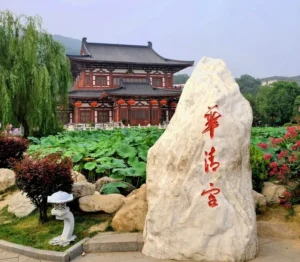
Huaqing Palace was a hot spring retreat for the Tang Dynasty imperial family, and it is where the story of Yang Guifei took place. The grounds feature the ruins of a thousand-year-old hot spring pool, as well as the large-scale live performance The Song of Everlasting Sorrow, with its spectacular light and water show. Tickets cost 120 yuan during peak season; it’s recommended to enter in the afternoon, explore until evening, and then watch the show. When it comes to what to see in Xi’an, the Tang Dynasty charm of Huaqing Palace definitely deserves a spot on your list.
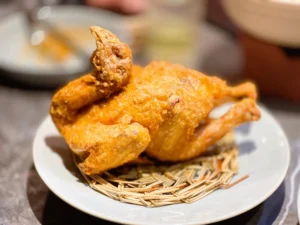
At Shaanxi restaurants near Huaqing Palace, gourd-roasted chicken is a must-order dish. The whole chicken is first boiled, then steamed, and finally deep-fried—a laborious process, but the flavor is well worth the effort. With a single flick of the chopsticks, the meat falls effortlessly from the bone. The skin is fried to a golden crisp, while the meat inside is so tender it practically oozes juice. Paired with a bowl of white rice, this dish is the most satisfying reward after exploring the gardens.

3. Xian What to See : Xi’an City Wall
The Xi’an City Wall is the most intact and largest ancient city wall still standing in China, stretching 13.7 kilometers in total. Start your climb at Yongning Gate, rent a bicycle, and ride all the way around. Looking down on the city’s blue-brick and gray-tiled roofs from above, while seeing the skyscrapers rising just beyond the walls, creates a truly magical sense of the past and present intertwining. Admission is 54 yuan. The South Gate stays open until 10 p.m., making the late afternoon the most pleasant time to cycle. Ask ten locals “What to see in Xi’an?” and nine will tell you to visit the City Wall.
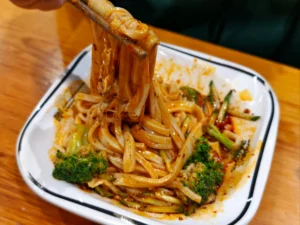
After cycling along the walls and working up a sweat, Wei’s Liangpi near the South Gate is the perfect spot to recharge. Order the Sanqin Set: liangpi, roujiamo, and Bingfeng soda. The liangpi is refreshingly smooth and chewy, topped with bright red, fragrant chili oil. A bite of liangpi followed by a sip of soda instantly washes away the summer heat. This is the most common lunch combination for Xi’an locals and the most authentic taste of Xi’an.

4. Xian What to See – Landmarks: Bell and Drum Towers
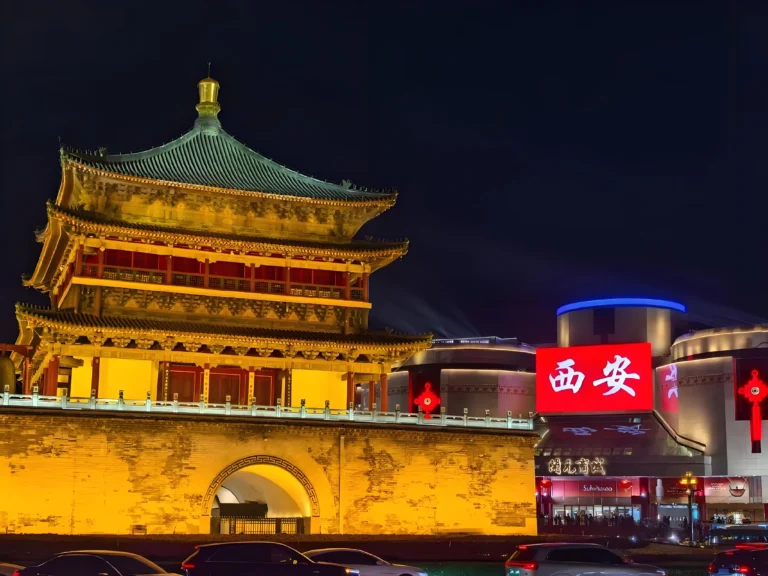
The Bell and Drum Towers are Xi’an’s iconic landmarks, two Ming Dynasty structures standing across from each other in the city center. A combined ticket costs 50 yuan, and climbing to the top offers a bird’s-eye view of the bustling traffic on the four main streets—East, West, South, and North. Although the tradition of ringing the bell at dawn and the drum at dusk has faded, the view from the towers still lets you feel the heartbeat of this ancient city.
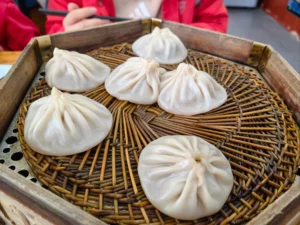
At the foot of the Bell and Drum Towers lies Hui Muslim Street. Jia San Soup Dumplings is a must-visit spot on this street. The dumpling wrappers are as thin as paper; lift them slightly and you can see the broth sloshing inside. Take a small bite to sip the broth first, then dip the dumpling in vinegar—the flavor is so intense it will blow your mind. There’s also Southeast Asian sticky rice cake—layers of glutinous rice and red dates steamed until soft, chewy, and sweet. Holding a small box in your hand and eating as you stroll is the quintessential way to explore Hui Muslim Street.
5. Xian What to See – Hidden Gem: Shaanxi History Museum
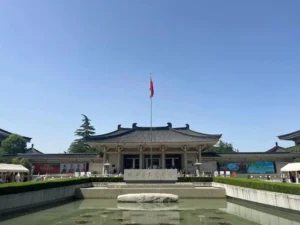
The Shaanxi History Museum houses a collection of over 370,000 artifacts, spanning thousands of years from Western Zhou Dynasty bronze ware to Tang Dynasty gold and silverware. Admission is free, but you must book your tickets five days in advance. During peak season, securing tickets is a fierce battle—be sure to set an alarm. With so many exhibits, we recommend setting aside at least three hours to explore at a leisurely pace. Many people rank the Shaanxi History Museum among the top three must-see attractions in Xi’an, and once you visit, you’ll understand why.
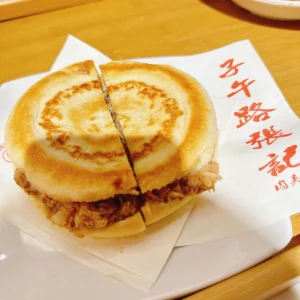
After walking until your legs give out at the museum, head out for a few minutes’ walk to the Cuihua Road branch of Zhang’s Roujiamofo on Ziwu Road. This shop enjoys an excellent reputation among locals in Xi’an. The buns are freshly baked, with a flaky, layered crust, and the meat is slow-braised in a rich sauce—fatty yet not greasy, lean yet not dry. With one bite, the aroma of the bun and the meat explodes in your mouth, and the fatigue from touring the museum vanishes instantly.
6. Xian What to See: Big Wild Goose Pagoda · Da Ci’en Temple
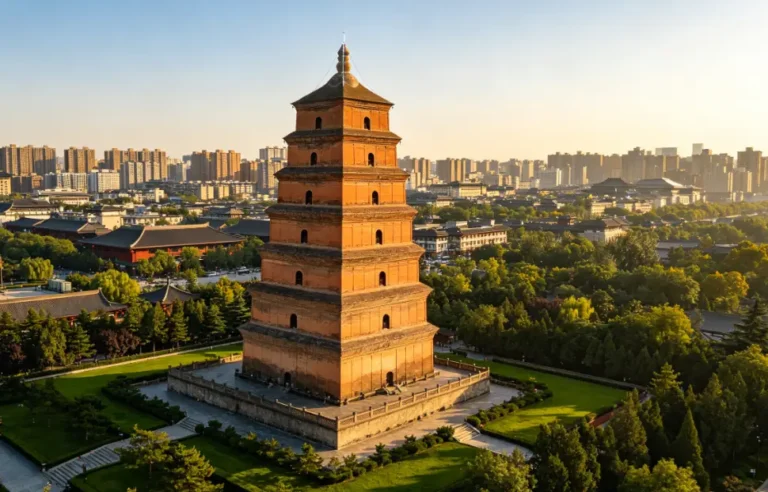
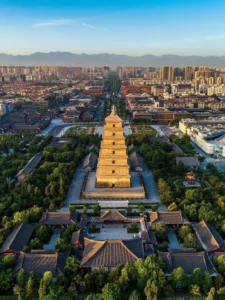
The Big Wild Goose Pagoda, where Monk Xuanzang translated Buddhist scriptures after returning from India, has stood for over 1,300 years. Admission to the Great Ci’en Temple is 40 yuan, with an additional 25 yuan to climb the pagoda. To the north of the pagoda lies Asia’s largest musical fountain plaza. Come in the evening to watch the light and water dance show—water jets rise and fall to the music while the ancient pagoda stands quietly in the background, creating a truly breathtaking scene.
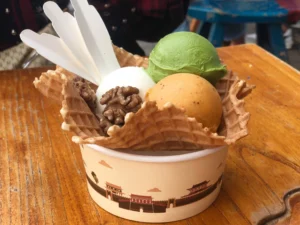
Just a short walk from the Big Wild Goose Pagoda, you’ll find Shaanxi Shisan. This local Xi’an dessert shop offers a signature treat that’s both intriguing and intimidating: chili oil-drizzled ice cream. It might sound like a prank, but once you take a bite, the spicy and sweet flavors blend surprisingly well. They also offer Shaanxi specialties like fermented rice wine and red date flavors—every bite is a unique Xi’an creation.

7. Xian What to See Nighttime Attraction – Tang Dynasty Everbright City
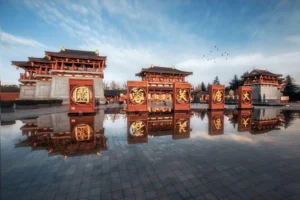
Tang Dynasty Everbright City is a pedestrian street themed around the splendor of the High Tang Dynasty. Every night at 7:00 PM, the lights come on and the entire street sparkles with vibrant colors. Young people dressed in Hanfu wander through the streets, street performers showcase Tang-style dances, and the “tumbler” mascots smile and wave. There’s no admission fee—just stroll around and snap photos to your heart’s content. It’s the ultimate spot for Xi’an’s night views. The City That Never Sleeps at night perfectly embodies the “time-travel back to the Tang Dynasty” experience featured in “Xi’an: What to See.”
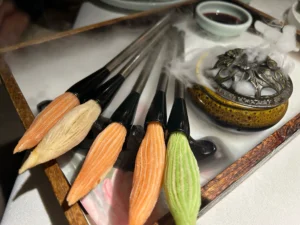
Near the City That Never Sleeps, the Chang’an Food Court is a great spot for dinner. The menu features creative Shaanxi cuisine; the signature “Calligraphy Brush Pastry” is strikingly lifelike, and when you bite into it, you’ll find a sweet, flaky pastry. There are also various authentic Shaanxi hot dishes. The atmosphere is antique and charming, with servers dressed in Tang-style attire—after a meal here, you’ll feel as if you’ve just returned from a banquet in the Tang Dynasty.
8. Xian What to See – Imperial Gardens: Tang Dynasty Furong Garden
Tang Dynasty Furong Garden is a replica of a Tang Dynasty imperial garden, where pavilions and towers are reflected in the lake. During the day, there are song and dance performances, and at night, there are water screen movies. Admission is 120 yuan. We recommend entering in the afternoon so you can enjoy the garden from daytime until the lights come on, ensuring you don’t miss out on either atmosphere.
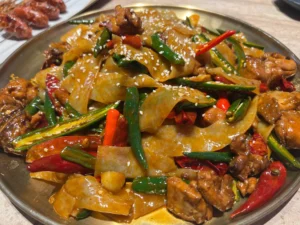
Near the garden is a restaurant called “Encounter Chang’an,” a Shaanxi cuisine spot that consistently tops Xi’an’s must-eat lists. Their stir-fried chicken with flatbread is bursting with flavor, the beef is tender and juicy, and the Sichuan-style yellow croaker is fresh, fragrant, and spicy. The portions are generous, and the flavors are consistently solid. Stop by for a meal when you’re famished after exploring the garden—your happiness will skyrocket.
9. Xian What to See – Cultural Treasures: The Stele Forest Museum
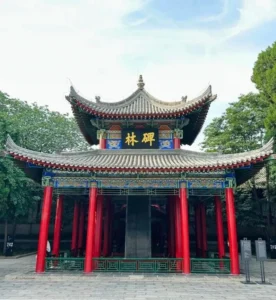
The Beilin Museum is China’s largest repository of stone carving art, housing thousands of steles dating from the Han Dynasty to the Qing Dynasty. Here, you can find authentic works by such legendary figures as Yan Zhenqing, Liu Gongquan, and Wang Xizhi. Admission is 85 yuan, and for those interested in calligraphy and history, it’s well worth spending half a day here. If you’re looking for the most culturally significant stop on your Xi’an itinerary, Beilin is undoubtedly the place to go.
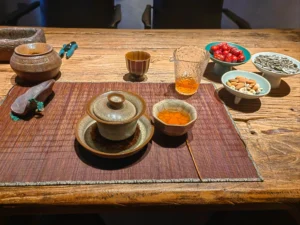
Just outside the Beilin Museum gates lies Shuyuanmen Ancient Cultural Street. Tucked deep within the alleyways is the Yu Youren Former Residence Courtyard Teahouse; stepping through the door reveals a tranquil little courtyard. After exploring the Beilin Museum, sit here and enjoy a pot of fresh tea—the aroma mingling with the scent of the courtyard’s plants, while the faint strains of a guqin drift by. Your eyes may be a bit strained from studying the stone inscriptions, so this is the perfect moment to give both your eyes and your mind a rest.
10. Xian What to See – The Culinary Heart: Hui Muslim Quarter
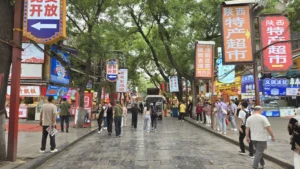
The Hui Muslim Quarter isn’t just a single street, but an entire neighborhood where the Hui Muslim community lives. Narrow alleys crisscross the area, shops line the streets, and the air is always filled with the aroma of grilled meat and spices. No admission fee is required here—all you need is an empty stomach and a curious heart. It’s no exaggeration to say that Hui Muslim Street is the most aromatic chapter in Xi’an’s must-see list.
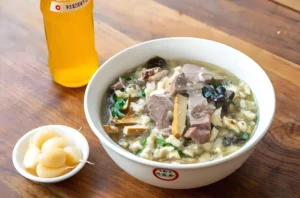
Venture deep into Lixin Street within Hui Muslim Street, where Lao Liu’s Yangrou Paomo is a flavor officially endorsed by locals. The ritual of eating Paomo begins with tearing the bread. You break the Baiji bread into small pieces, each about the size of a soybean, and the kitchen staff then repeatedly pours piping-hot lamb broth over them. When it’s served, the broth is rich and the meat tender, with the bread pieces soaked through with savory broth. Paired with a clove of pickled garlic to cut through the richness, every bite embodies the leisurely satisfaction of old Xi’an.
11. Xian What to See – The World of Street Food: Yongxingfang
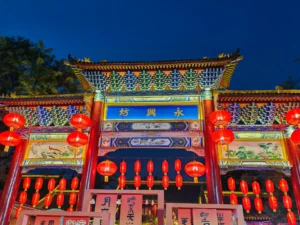
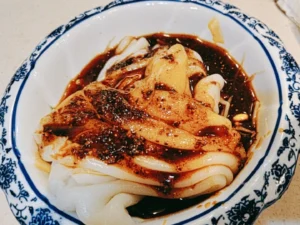
Yongxingfang is another foodie hotspot in Xi’an, more organized and cleaner than Hui Muslim Street. It specializes in intangible cultural heritage snacks from across Shaanxi, including Ankang steamed noodles, Hanzhong hot rice noodles, and Zichang pancakes—you can sample the best of Shaanxi without ever leaving Xi’an. Yongxing Lane is also home to the internet-famous “Shattered Bowl Wine”—after downing a bowl of osmanthus rice wine, you smash the bowl to pieces, making for a truly ceremonial experience.
Yongxing Lane is a culinary hub in itself, so there’s no need to venture outside to find food. Just stroll through the lane and eat your way along. We recommend starting with a serving of hot rice noodles to whet your appetite, followed by a bowl of Zichang pancakes to fill you up, and finishing with the Smashed Bowl Wine. By the time you’ve made your way around, you’ll have sampled flavors from all over Shaanxi. This is also the “tastiest” stop on the Xi’an What to See itinerary.
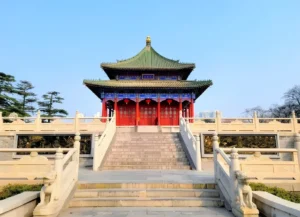

12. Xian What to See – Slow Living: Xingqing Palace Park
Xingqing Palace was an imperial garden during the reign of Emperor Xuanzong of the Tang Dynasty; today, it’s a favorite spot for Xi’an residents to relax and take a stroll. Admission to the park is free. In spring, the grounds are ablaze with flowers, and willow trees by the lake hang down like green ribbons. With no crowds of tourists, you’ll find only elderly people pushing strollers and locals taking a leisurely walk—the pace is so slow, it feels like stepping back in time.
Shanyouzi Cafe & Meal, located near Xingqing Palace, is the perfect spot to take a break. The wood-toned interior is surrounded by greenery, creating a quiet and soothing atmosphere. Order a cup of coffee, sit by the window, and watch the late spring scenery unfold outside as you slowly let go of the fatigue from your journey. Sipping a modern cup of coffee right next to this thousand-year-old garden, the divide between past and present is just a wall away.
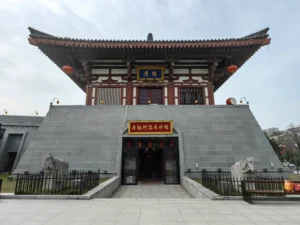
13. Xian Hidden Gems – Tang City Wall Ruins Park
The Tang City Wall Ruins Park is the site of the ancient city walls of Chang’an from the Tang Dynasty, now transformed into a spacious urban green space. There are no reconstructed gate towers here—only lawns, walking paths, and remnants of rammed earth—but it is precisely this unadorned preservation that allows visitors to truly feel the weight of history. Admission to the park is free. Tourists searching for “Xi’an what to see” who want to avoid the crowds often find their way here.
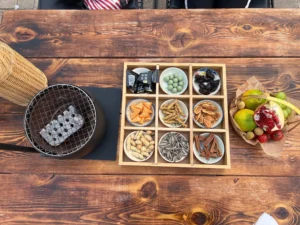
Adjacent to the park is the Zhenguan Teahouse, a traditional Chinese tea space. After exploring the ruins, step inside for a pot of clear tea, accompanied by a few pieces of Chinese pastries and seasonal fresh fruit. Outside the window lie the ancient city wall ruins from a thousand years ago, while in your hand is a steaming cup of fine tea. With no need to rush, simply sit and savor this unique, tranquil side of Xi’an.
Before you visit Xi’an in 2026, be sure to save this “Xi’an: What to See and Eat” guide so you can plan every day down to the last detail. It’s a treat for both your eyes and your stomach. Xi’an is a city worth exploring and savoring at a leisurely pace—once you’ve been here, you’ll understand why so many people who search for “Xi’an: What to See” end up coming back for a second or third visit.