10 Must-See Attractions in Xi’an: If It’s Your First Time in China, Start Here to Discover a Thousand Years of History
- Which Xi'an attractions require advance reservations? How do you book them?
- How can you plan your route to avoid detours and pitfalls?
- A Detailed Look at Xi'an's Top 10 Attractions
- 1. Terracotta Army of Emperor Qin Shi Huang — You Have to See It to Believe It
- 2. Xi'an City Wall—Cycling Along the Ancient Ruins
- 3. Shaanxi History Museum—370,000 artifacts, each with a fascinating story
- 4. Big Wild Goose Pagoda—A Landmark Built by Xuanzang After His Return from India
- 5. Tang Dynasty City That Never Sleeps—A Free Yet Immersive Experience in the Golden Age of the Tang Dynasty
- 6. Huaqing Palace—Hot Springs, a Love Story, and a Spectacular Performance
- 7. Tang Dynasty Peony Garden—A Reconstructed Imperial Garden Perfect for Photos
- 8. The Small Wild Goose Pagoda—Quieter than the Big Wild Goose Pagoda and better suited for a leisurely stroll
- 9. Daming Palace National Heritage Park—Once the Largest Palace in the World
- 10. Mount Hua—For the Adventure Seeker
- In Closing
Xi’an, formerly known as Chang’an, is a city whose very name holds an indescribable charm. Thirteen dynasties established their capitals here, the Silk Road began here, and the Terracotta Army has stood guard underground for over two thousand years. Some say that visiting China without going to Xi’an is like reading only half a book. While this may be an exaggeration, there is certainly some truth to it.
Just how many attractions does this city have? There are dozens of national-level key cultural heritage sites alone. If this is your first time in China, it’s only natural to feel overwhelmed by the choices. Don’t worry—this guide has narrowed it down to 10 Xi’an attractions truly worth your time: from world-class wonders and hidden gems to spots locals keep to themselves.
Which Xi’an attractions require advance reservations? How do you book them?
First, the bottom line: You absolutely must book tickets in advance for these three Xi’an attractions—the Terracotta Army, the Shaanxi History Museum, and the Xi’an Museum (Little Wild Goose Pagoda)—or you’ll likely end up making a wasted trip.
Book tickets for the Terracotta Army of Emperor Qin Shi Huang via the WeChat official account “Qin Shi Huang Mausoleum Museum.” Adult tickets are 120 yuan per person, and student tickets are 60 yuan per person. It’s recommended to book at least 3 days in advance. During major holidays like May Day and National Day, ticket checking begins as early as 7:00 AM.
The Shaanxi History Museum is a prime example of a free attraction where tickets are extremely hard to come by. Book through the WeChat official account “Shaanxi History Museum Ticketing System.” Tickets are released 5 days in advance, and you must snag them at exactly 10:00 AM, 11:00 AM, 6:00 PM, and 7:00 PM each day. You’ll need to be quick—it’s best to team up with friends to try your luck.
Xi’an Museum (Little Wild Goose Pagoda) is also free, but you must book tickets via Meituan or official channels. It’s closed every Tuesday, so don’t make the trip for nothing.
The good news is that places like Tang Dynasty Everbright City, the North and South Squares of the Big Wild Goose Pagoda, and Hui Muslim Street don’t require reservations—you can just walk right in.
How can you plan your route to avoid detours and pitfalls?
These 10 Xi’an attractions can be divided into three groups based on their geographical locations, and visiting them by group is the most efficient way:
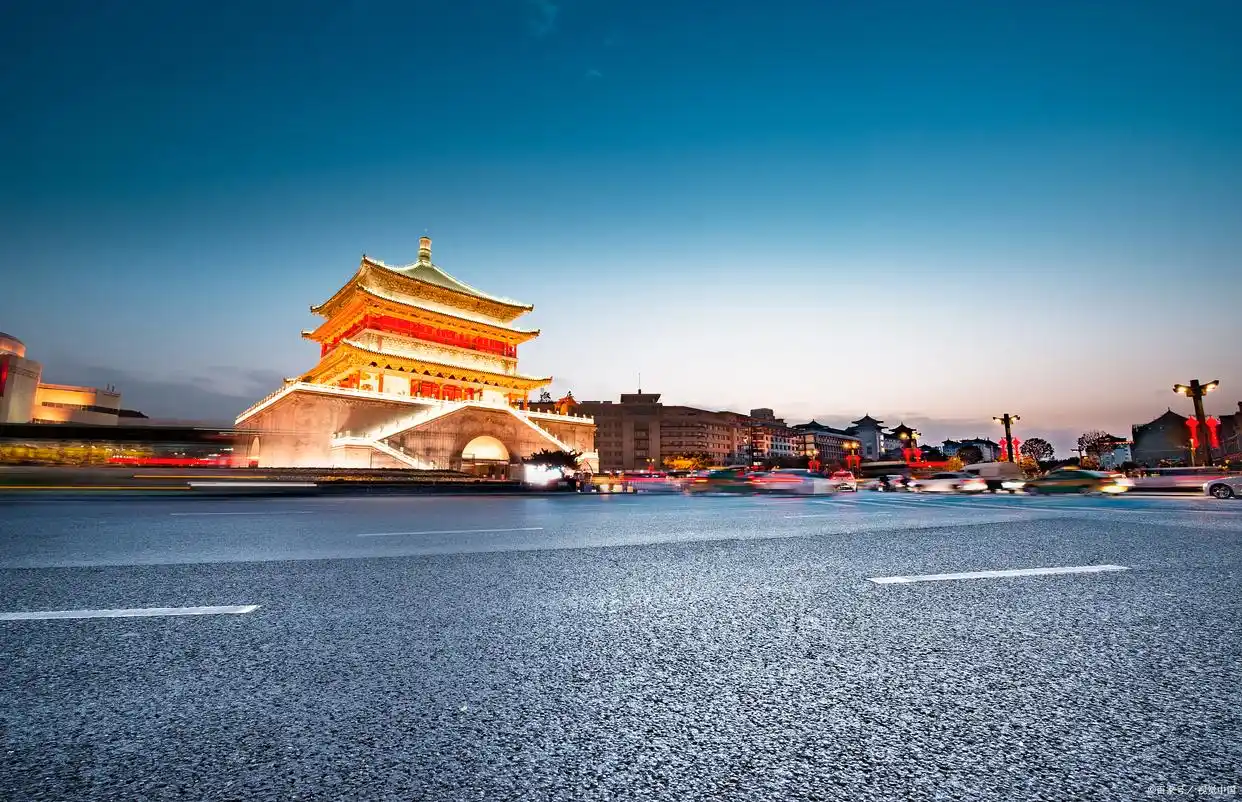
Downtown Core Group (accessible by foot or subway): Big Wild Goose Pagoda → Tang Dynasty Everbright City → Shaanxi History Museum → Tang Dynasty Peony Garden → Xi’an City Wall. These five sites are concentrated in Yanta and Beilin Districts and can be covered in two days.
One-Day Eastern Route Group: Terracotta Army of Emperor Qin Shi Huang + Huaqing Palace. Both attractions are in Lintong District, accessible via Metro Line 9. You can also catch the “Song of Everlasting Sorrow” performance in the evening—perfect for a full day.
Outer-Ring In-Depth Group: Set aside a full day for Mount Hua, and allocate half a day each for the Small Wild Goose Pagoda and Daming Palace. This creates a comfortable, seven-day itinerary that’s neither rushed nor exhausting.
A Detailed Look at Xi’an’s Top 10 Attractions
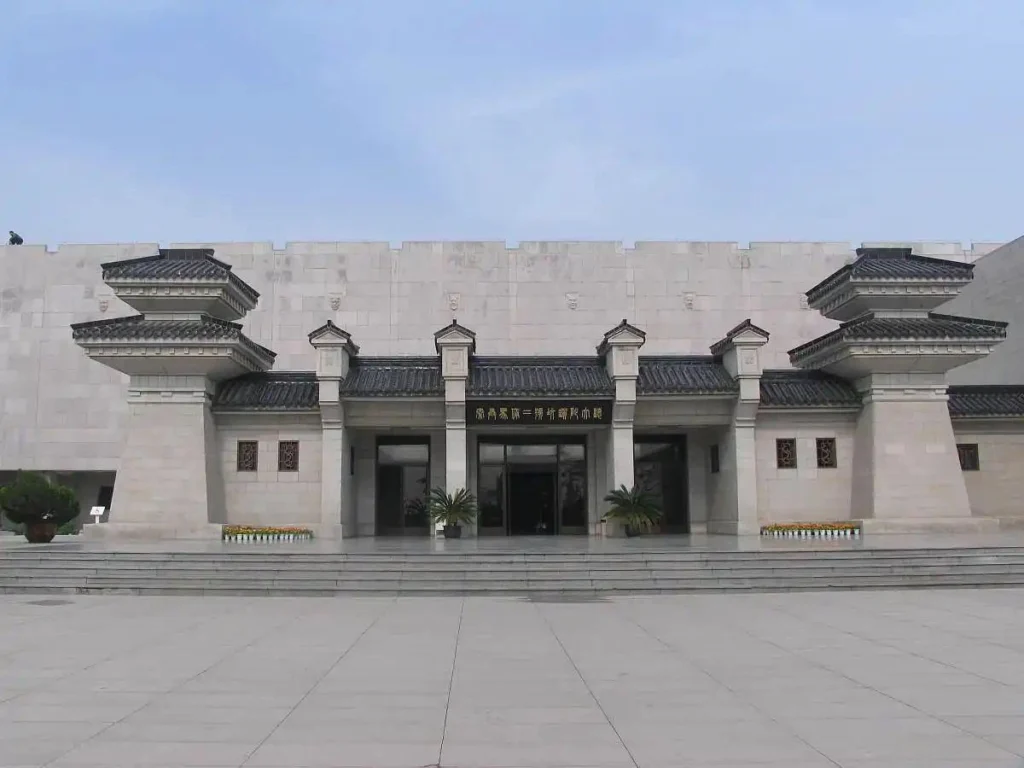
1. Terracotta Army of Emperor Qin Shi Huang — You Have to See It to Believe It
No photo or video can capture the feeling of standing in front of Pit No. 1. Eight thousand terracotta warriors, each with a unique face, stand before you in military formation. These soldiers from the Qin Dynasty, over 2,000 years ago, silently gaze upon every modern visitor.
Admission is 120 RMB per person, and hours are 8:30 AM–5:00 PM (may be extended on holidays). We strongly recommend hiring a tour guide; group tours cost 30–50 RMB per person. Without a guide, all you’ll see is a pile of clay figures; with one, you’ll hear the story of an entire army. Ignore the “no-reservation scalpers” soliciting customers at the entrance—they’re all out to rip you off.
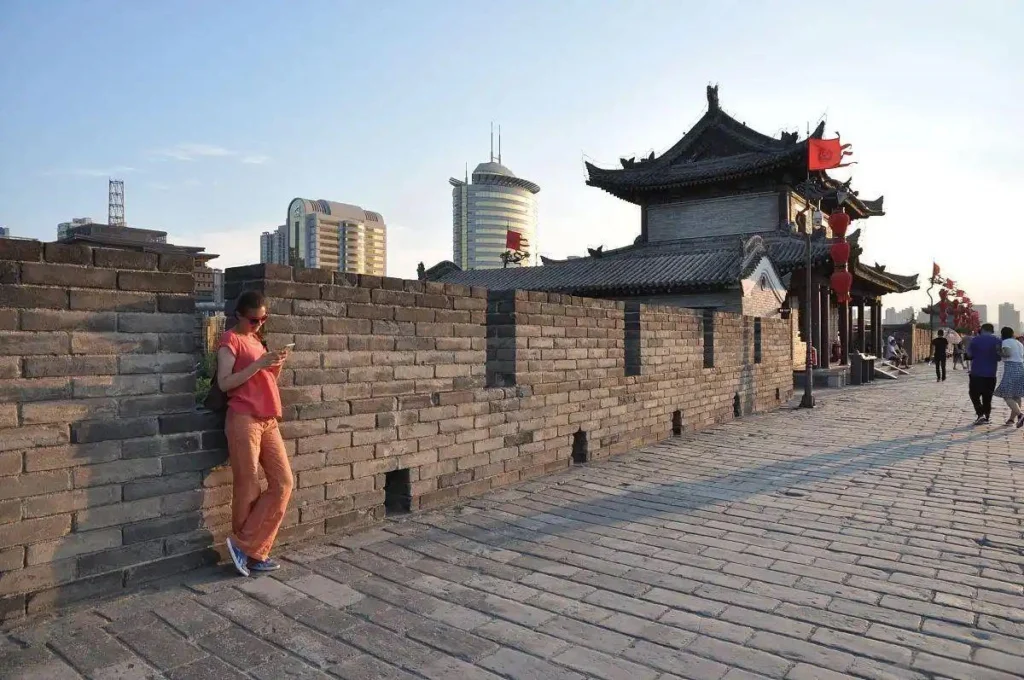
2. Xi’an City Wall—Cycling Along the Ancient Ruins
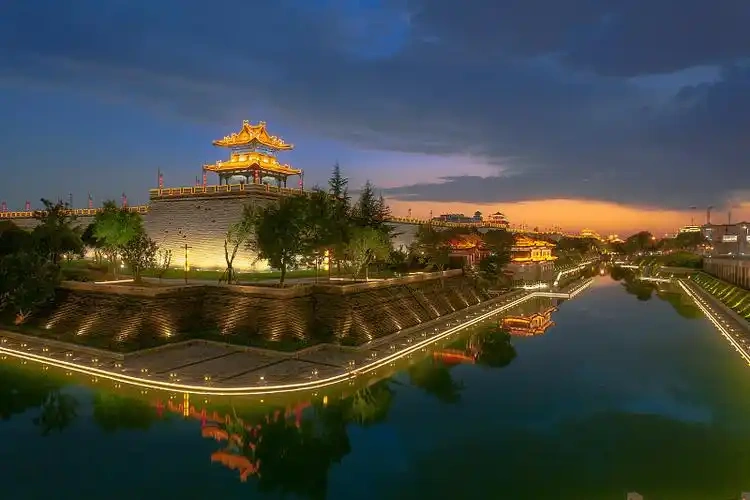
Stretching 13.74 kilometers, it is China’s best-preserved ancient city wall. We recommend entering the wall at Yongning Gate (the South Gate), renting a bicycle (45 yuan for 3 hours), and cycling a full lap along the top of the wall. On one side lies the old city with its blue-tiled roofs and red columns; on the other, a cluster of high-rises with glass facades. The juxtaposition of ancient and modern in a single frame creates a truly magical contrast.
Admission to the city walls is 54 yuan per person. The best times for cycling are between 9 and 11 a.m. or in the evening; it gets too hot at midday. The city walls are also beautiful at night when they are illuminated, making for a perfect stroll to aid digestion.
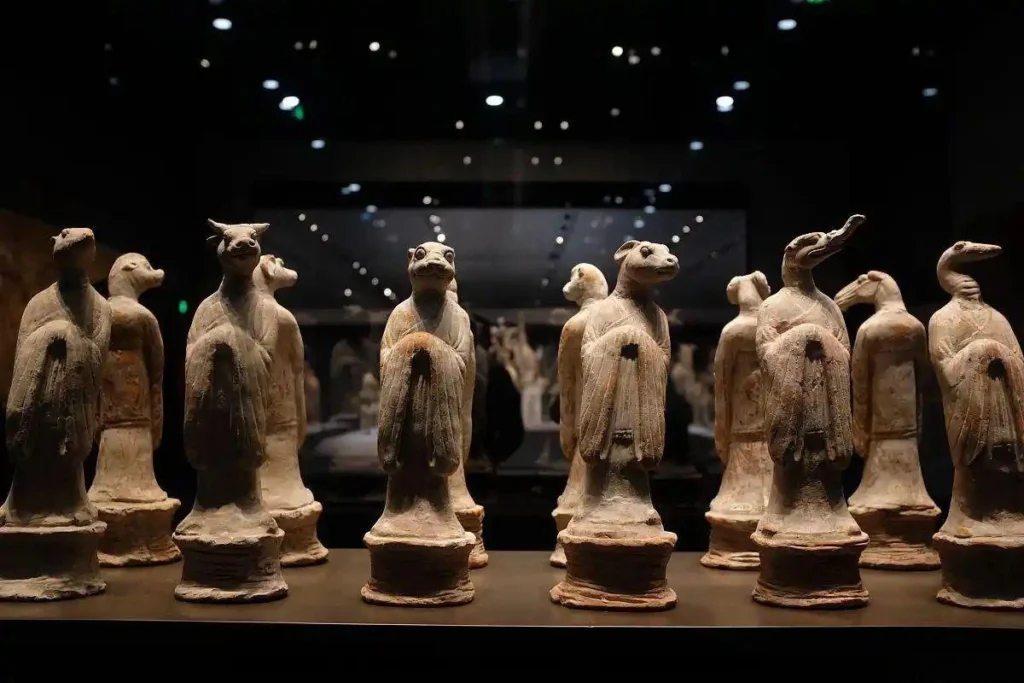
3. Shaanxi History Museum—370,000 artifacts, each with a fascinating story
This is China’s first large-scale modern museum. Admission is free, but advance reservations are required. The collection spans over a million years, from the Stone Age to the Qing Dynasty. The gold and silverware from the Hejia Village hoard, the Tang Dynasty three-color glazed “Musical Camel” figurine, and the Shang and Zhou Dynasty bronze ware… any single piece could serve as a museum’s crown jewel in another institution.
Closed on Mondays. We recommend booking the morning session, when it’s less crowded, quieter, and more comfortable to explore. Renting an audio guide or hiring a docent makes for a completely different experience.
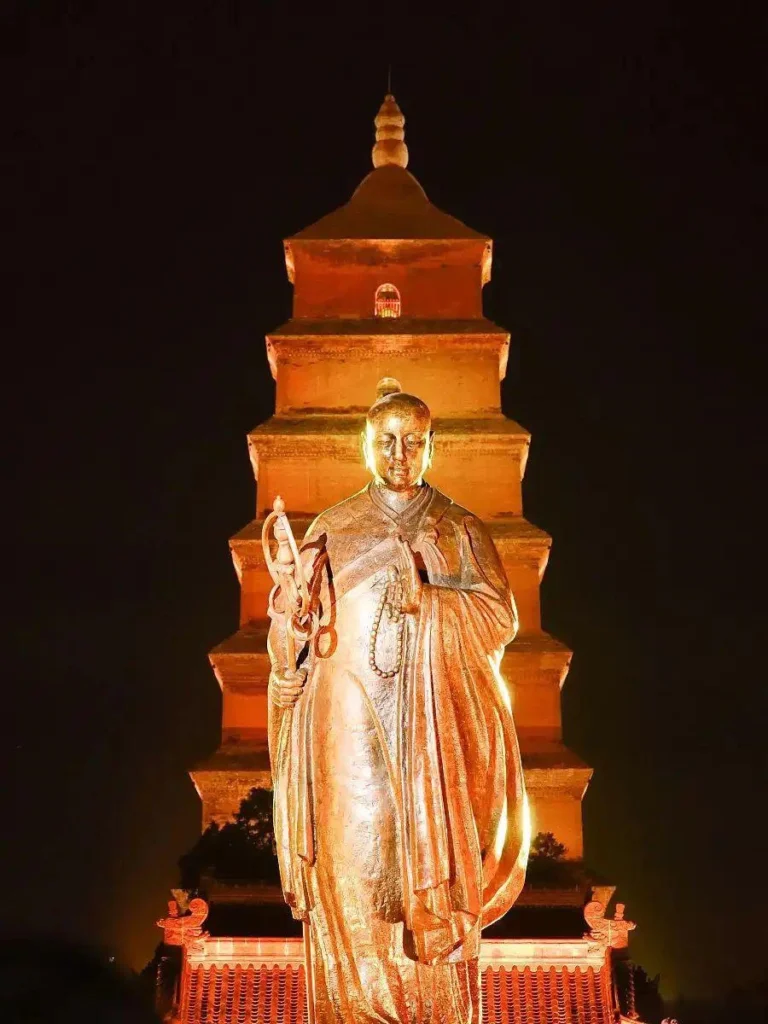
4. Big Wild Goose Pagoda—A Landmark Built by Xuanzang After His Return from India
Located within the Great Ci’en Temple, the Big Wild Goose Pagoda was constructed under the supervision of Xuanzang of the Tang Dynasty to house the sutras and Buddhist statues he brought back from India. More than 1,300 years later, it still stands firmly in the southern suburbs of Xi’an, having become the city’s most iconic symbol.
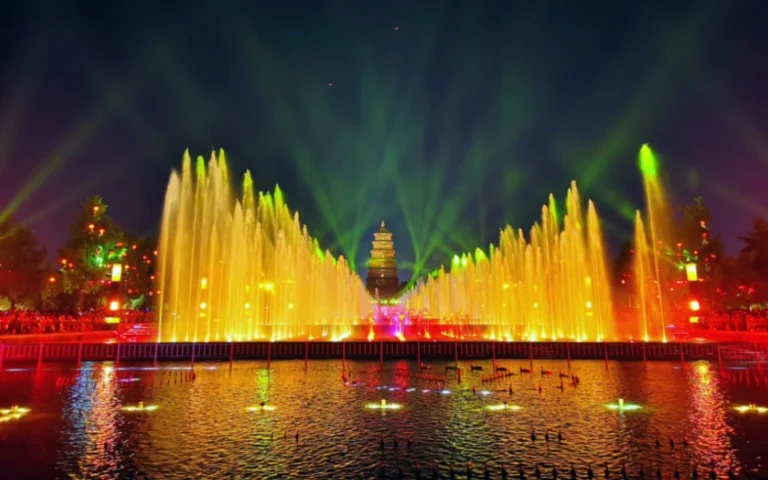
Admission to the Great Ci’en Temple is 30 yuan per person; an additional 25 yuan is required to climb the pagoda. Opening hours are 8:30 a.m. to 5:30 p.m. The square north of the pagoda features Asia’s largest musical fountain, with performances at 12:00 p.m., 4:00 p.m., 7:00 p.m., and 9:00 p.m. daily. Admission is free.
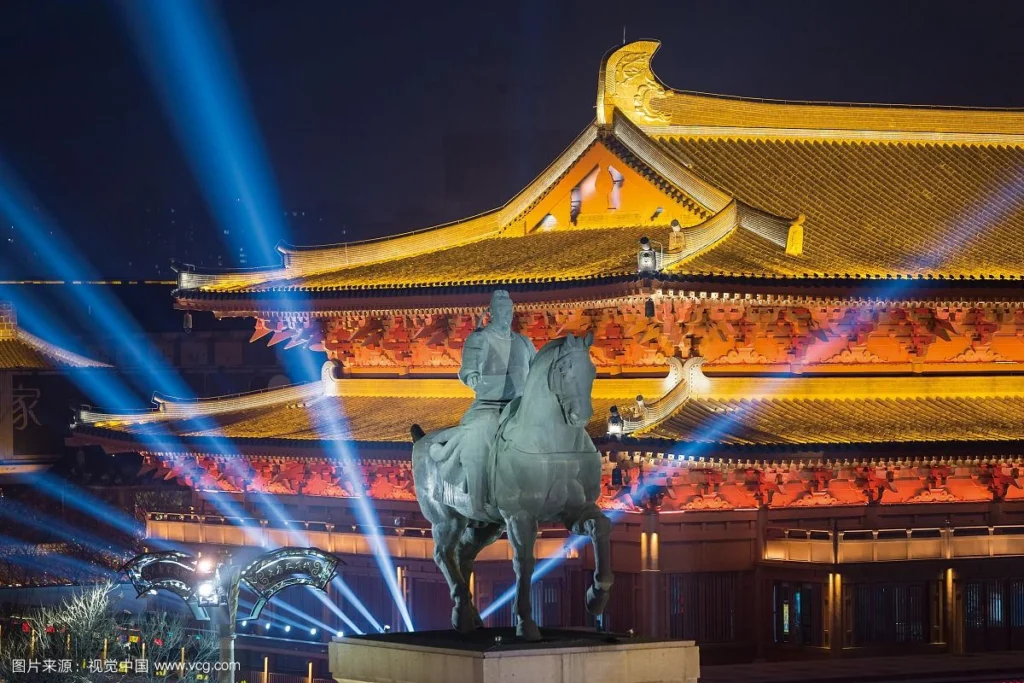
5. Tang Dynasty City That Never Sleeps—A Free Yet Immersive Experience in the Golden Age of the Tang Dynasty
This is the only large-scale pedestrian street in China featuring Tang-style architecture and themed around the culture of the Tang Dynasty’s golden age, located right at the foot of the Big Wild Goose Pagoda. Stretching 2.1 kilometers, the street is filled with golden lights, red lanterns, and young people dressed in Hanfu. Best of all, it’s completely free and requires no reservation.
The best time to visit is after the lights come on at 7 p.m. every night. Street performances like “The Tumbling Doll,” “The Great Tang Mystery Box,” and “Lanterns and Li Bai” are all free; follow the official WeChat account for the latest schedule.
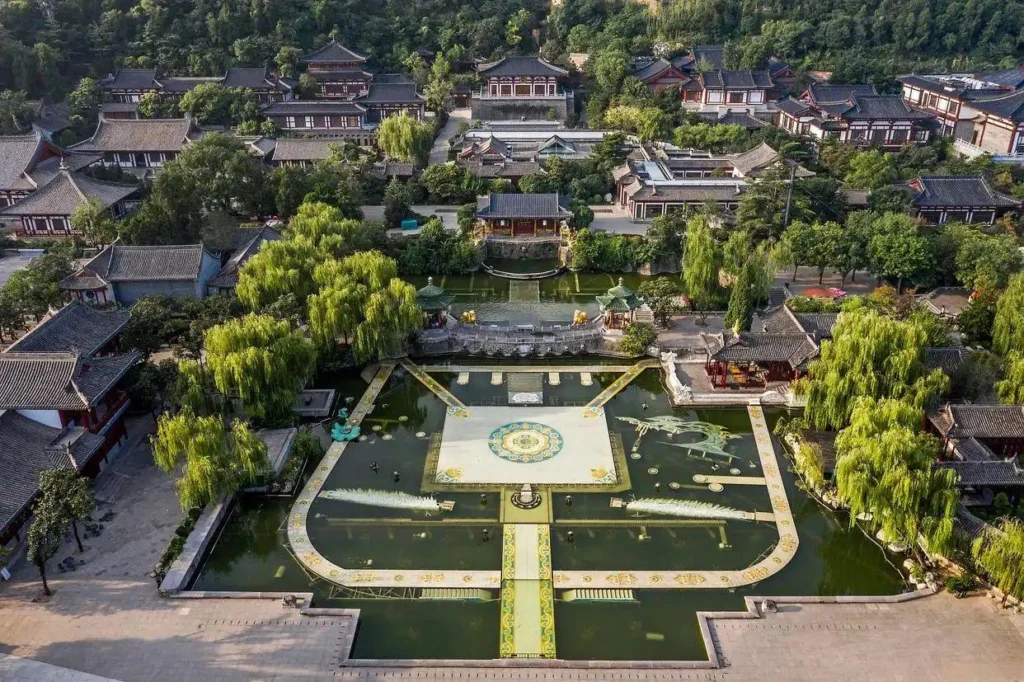
6. Huaqing Palace—Hot Springs, a Love Story, and a Spectacular Performance
Located in Lintong, at the foot of Mount Li. This was once where Yang Guifei bathed, and it is also the setting for the love story between Emperor Xuanzong of Tang and Yang Guifei. Bai Juyi’s poem “The Song of Everlasting Sorrow” is set here.
Admission to the scenic area is approximately 120 yuan per person. But the real highlight is the evening’s large-scale live-action dance drama, The Song of Everlasting Sorrow—set against the backdrop of Mount Li, with water screens, lighting, and flames intertwining, as hundreds of performers bring this millennia-old love story to life amidst the natural scenery. Tickets start at 249 yuan. The show runs from April to October each year, with the first performance beginning at 8:10 PM. After watching the performance, you’ll understand why this poem has endured for a thousand years.
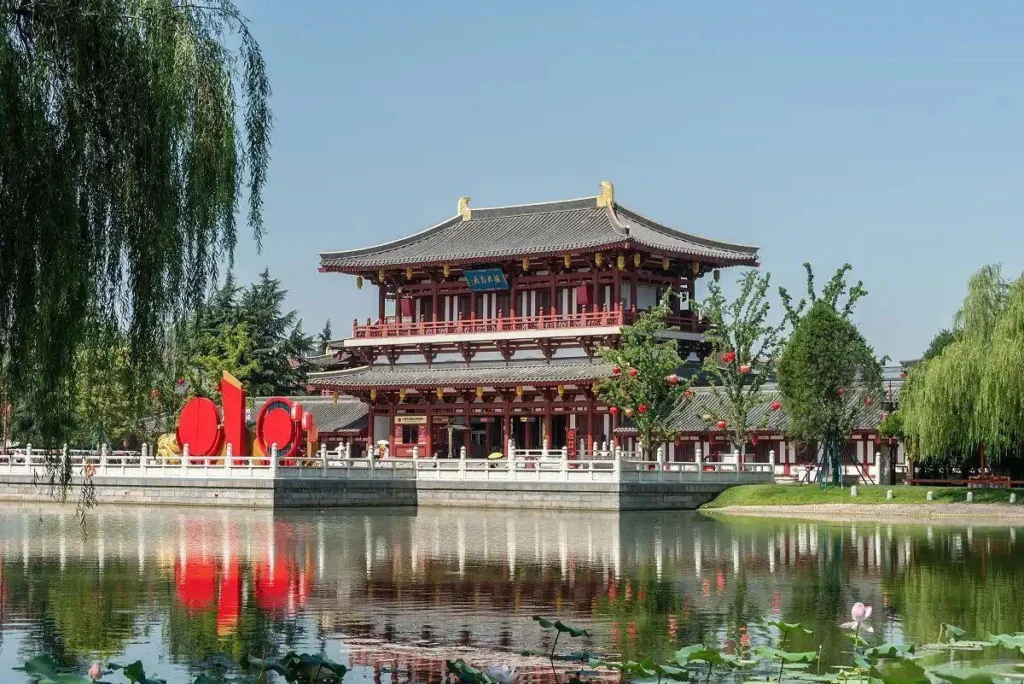
7. Tang Dynasty Peony Garden—A Reconstructed Imperial Garden Perfect for Photos
This cultural theme park, covering an area of 1.3 square kilometers, was built in the style of Tang Dynasty imperial gardens. It features a collection of Tang-style architectural complexes, including the Purple Cloud Tower, the Court Ladies’ Pavilion, and the Imperial Banquet Palace. The annual Spring Festival Lantern Festival is particularly famous; the giant phoenix lanterns cast their reflections on the lake, creating a spectacular scene.
Admission is approximately 116–120 RMB per person; separate tickets are required for the “Dream Back to the Tang Dynasty” show inside the park. We recommend entering in the afternoon and staying until the evening lights come on to experience both atmospheres.
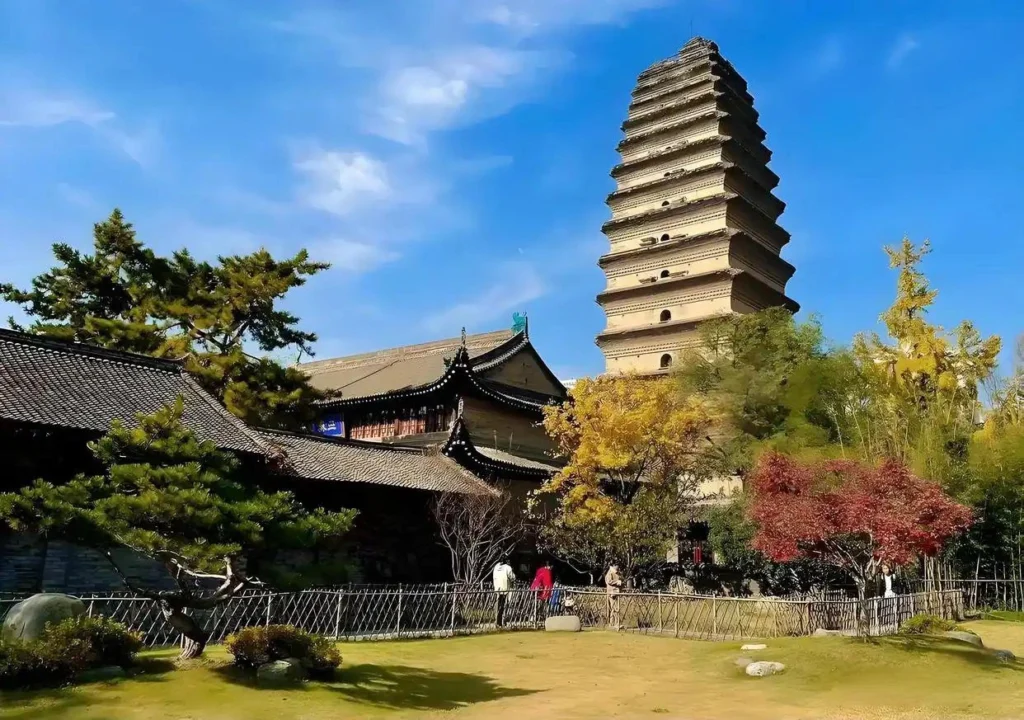
8. The Small Wild Goose Pagoda—Quieter than the Big Wild Goose Pagoda and better suited for a leisurely stroll
Located within the Xi’an Museum, the Small Wild Goose Pagoda was built several decades after the Big Wild Goose Pagoda. Though smaller in scale, it is no less rich in history. It has withstood earthquakes, cracking and then healing three times—a phenomenon known as “three cracks and three healings”—and is considered a miracle. The ancient trees in the courtyard are over a thousand years old and remain lush and vibrant to this day.
Admission is free, but reservations are required. Closed on Tuesdays. While visitors are currently unable to climb the pagoda, the grounds offer a serene atmosphere with far fewer tourists than the Big Wild Goose Pagoda, making it ideal for those looking to avoid the crowds.
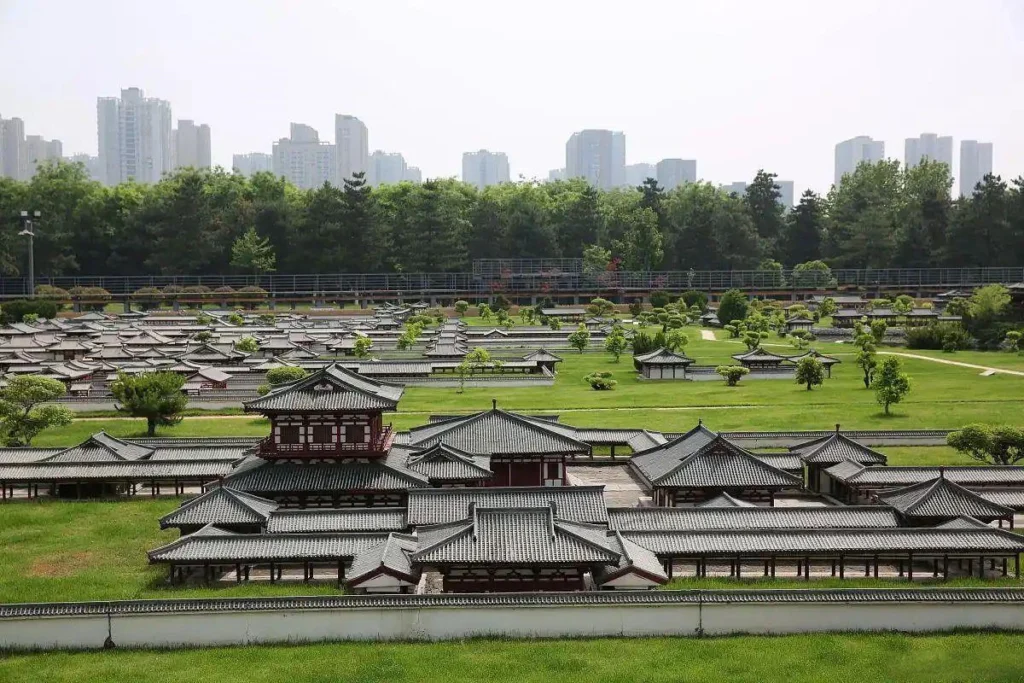
9. Daming Palace National Heritage Park—Once the Largest Palace in the World
Just how vast was the Daming Palace of the Tang Dynasty? Its area was 4.5 times that of the Forbidden City in Beijing, equivalent to three Palace of Versailles. Although only the foundation ruins remain today, standing on this open expanse, you can still sense the majestic grandeur of its former glory.
Most of the park is free to enter, while admission to the core archaeological zone costs approximately 60 yuan per person. A small train operates within the park; we recommend taking a full loop to get an overview of the site before exploring specific areas of interest in greater detail. The IMAX theater screens a 3D film about the Daming Palace daily, offering a truly breathtaking audiovisual experience.
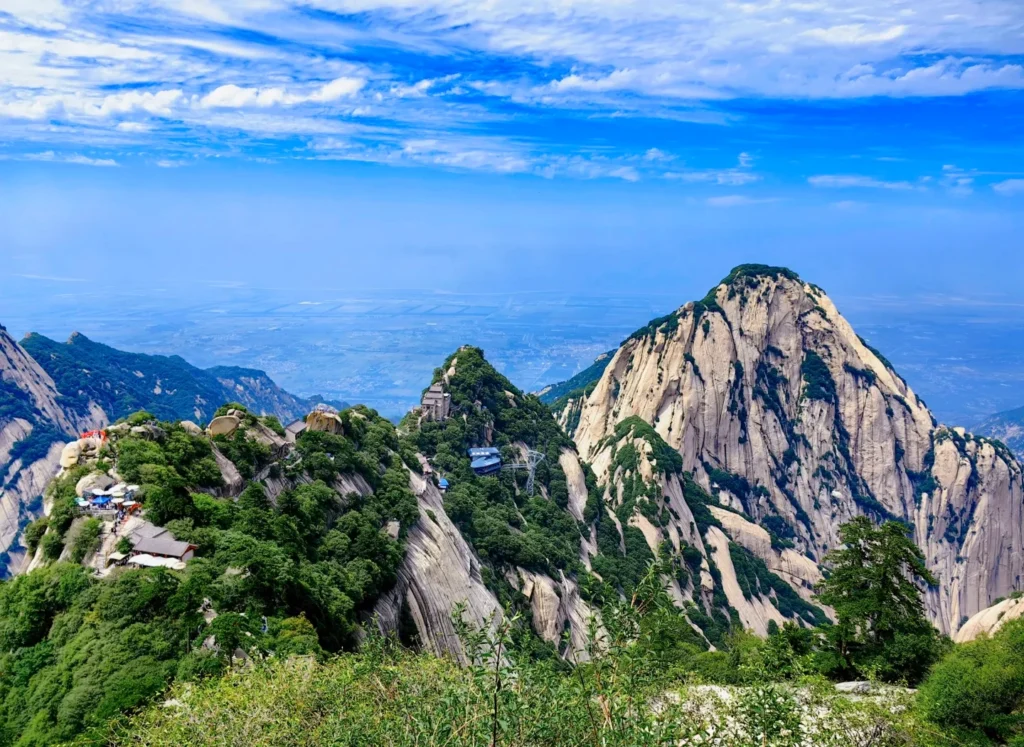
10. Mount Hua—For the Adventure Seeker
If the first nine attractions in Xi’an focus on history, Mount Hua offers a pure, awe-inspiring experience of nature. It’s not called “the most spectacular and perilous mountain under heaven” for nothing. The Longkong Plank Walk is built on sheer cliffs, and navigating the “Hawk Turn” requires using both hands and feet. Standing on North Peak and looking out, the surrounding peaks appear as if hewn by axes and chisels, with a sea of clouds surging between them.
Mount Hua is located about 120 kilometers east of Xi’an, and the high-speed train takes about half an hour to reach Hua Shan North Station. Admission is 160 RMB per person during peak season and 100 RMB per person during off-peak season. A one-way ride on the West Peak cable car costs 140 RMB, while the North Peak cable car is 80 RMB. We recommend ascending via the West Peak and descending via the North Peak to avoid retracing your steps; the entire hike takes about 5–6 hours. Remember to wear non-slip shoes and bring plenty of water.
In Closing
These 10 attractions in Xi’an—from the solemnity of the Terracotta Army to the bustling energy of the “City That Never Sleeps,” from the gentle breeze on the city walls to the perilous peaks of Mount Hua—come together to form a vivid, three-dimensional history of China. The Terracotta Army reveals the dominance of the Qin Dynasty, the Big Wild Goose Pagoda lets you experience the inclusiveness of the Tang Dynasty, and the city walls allow you to feel the stability of the Ming Dynasty. They are not merely “tourist attractions”; they are landmarks left behind by a great civilization.
If this is your first time in China, Xi’an might leave you a bit dazed—how can a single city hold both the weight of thousands of years of history and the vibrant energy of everyday life? Yet it is precisely this contradiction that makes it the most worthwhile place to stop and truly experience during your visit to China. Grab this guide and let’s get going.