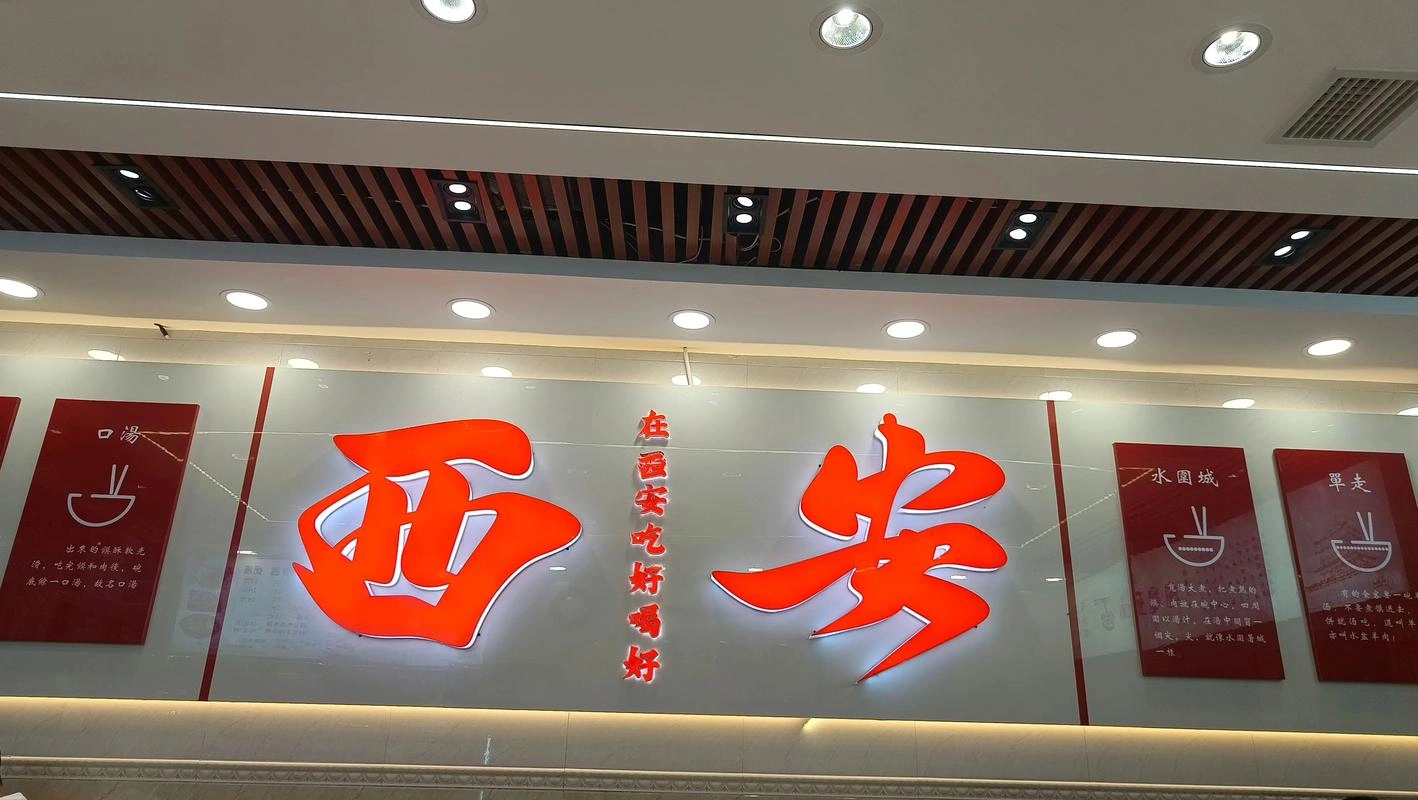
Xi’an Famous Foods: 15 Must-Try Dishes in China’s Ancient Capital (2026 Guide)
To be honest, before visiting Xi’an, my only impression of the city was the Terracotta Army. It wasn’t until my first meal on Xi’an Muslim Street that I realized why a New York restaurant called “Xi’an Famous Foods” has managed to open 14 branches—this city’s cuisine is truly worth a special trip.
Xi’an served as the capital of 13 dynasties, and the Silk Road began here. Persian merchants brought spices, the Muslim community left behind unique culinary traditions, and combined with the Shaanxi people’s natural talent for making noodle dishes, over the course of thousands of years, this place has become China’s most underrated culinary destination.
This guide compiles 15 must-try dishes, ranging from time-honored flavors passed down for hundreds of years to new-style snacks that have gone viral on TikTok in recent years. The focus is on telling you where to eat, how to eat, and the hidden gems you won’t find on the menu.
Xi’an Famous Foods: 10 Traditional Must-Try Dishes
1. Roujiamo
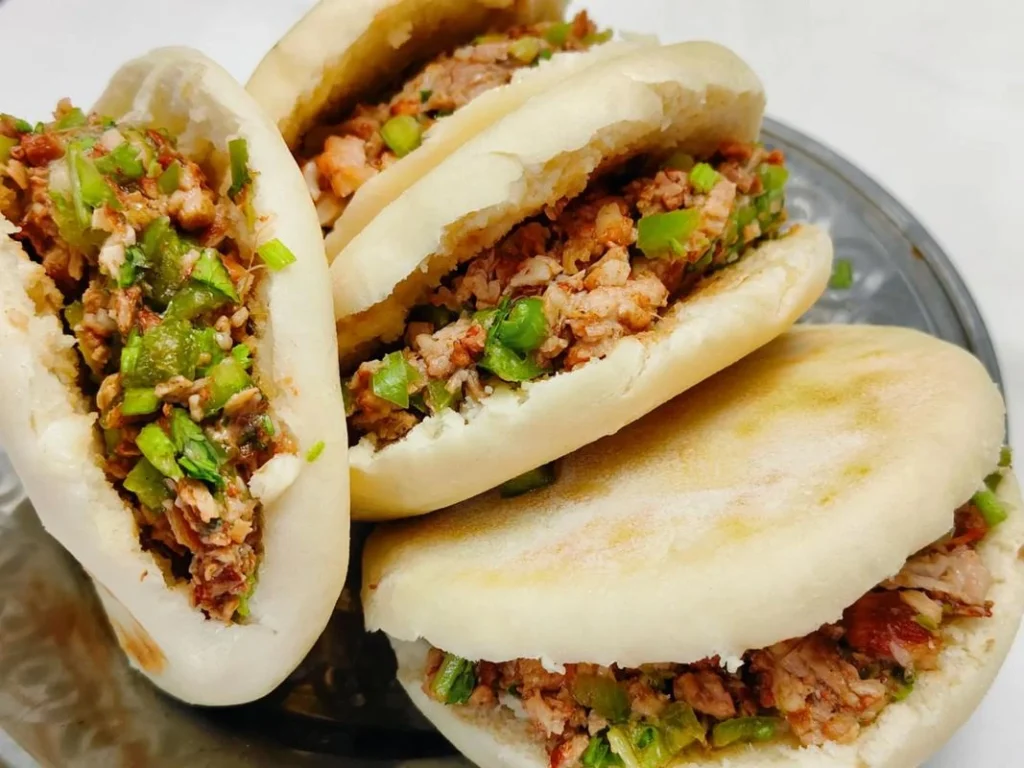
Roujiamo is perhaps Xi’an’s most “viral” dish. The Xi’an Famous Foods restaurant in New York calls it the “Chinese Burger,” but this name is actually a bit misleading—roujiamo predates the hamburger by countless years.
The dish dates back to the Warring States Period, when it was known as “Han Rou” and served as a court dish in the State of Han. After the Qin dynasty conquered Han, the dish spread to Chang’an, where it gradually evolved into its current form. In 2016, Roujiamo was listed as an Intangible Cultural Heritage, effectively receiving official recognition.
What Makes a Good Roujiamo?
The bread should be baked in a charcoal oven. A good Bai Ji bread is characterized by its “tiger-striped crust and chrysanthemum-shaped center”—a golden-brown, patterned crust with a slightly concave center. The meat is braised pork belly with over a dozen spices, with a fat-to-lean ratio of about 3:7, making it rich yet not greasy.
How to Order?
Locals in Xi’an eat roujiamo without green peppers, and pork is the default. If you’re on Hui Muslim Street, however, the shops typically serve beef.
Where to Eat?
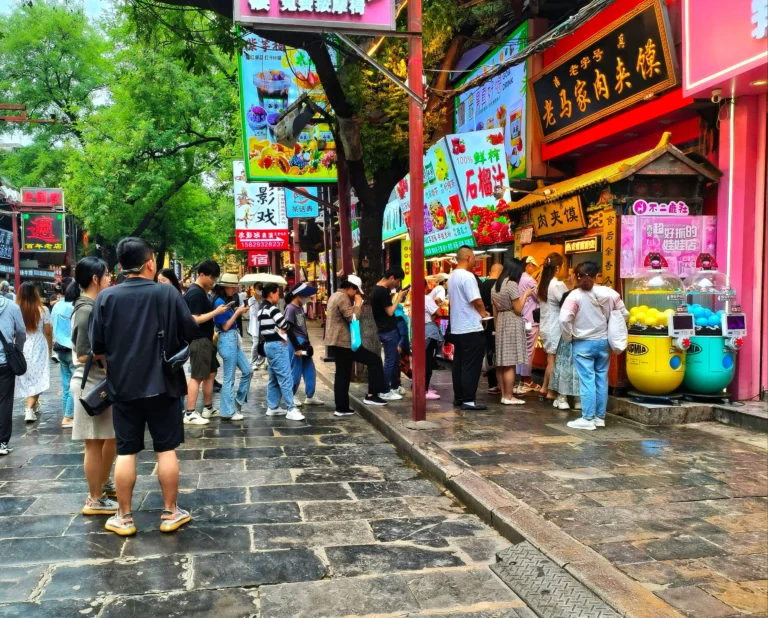
You’ll find roujiamo everywhere on Hui Muslim Street—just look for the shops with lines. Prices range from 10 to 20 yuan; anything higher is a rip-off.
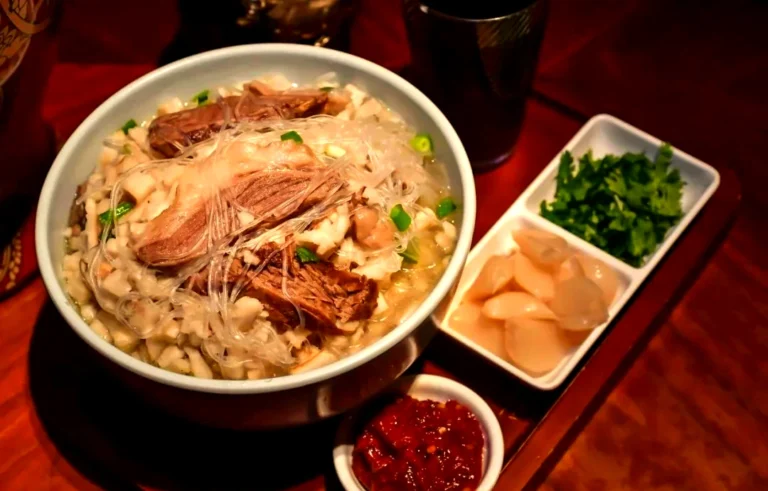
2. Yangrou Paomo (Lamb Stew with Bread)
This dish is a source of pride for Xi’an locals and is also a National Intangible Cultural Heritage.
Its origins can be traced back to the Western Zhou Dynasty, when it was called “Yanggang” and was used in imperial sacrificial rituals. During the Song Dynasty, Su Shi wrote, “In Qin, the only dish cooked is Yanggang,” effectively endorsing this dish.
There’s a specific way to eat it?
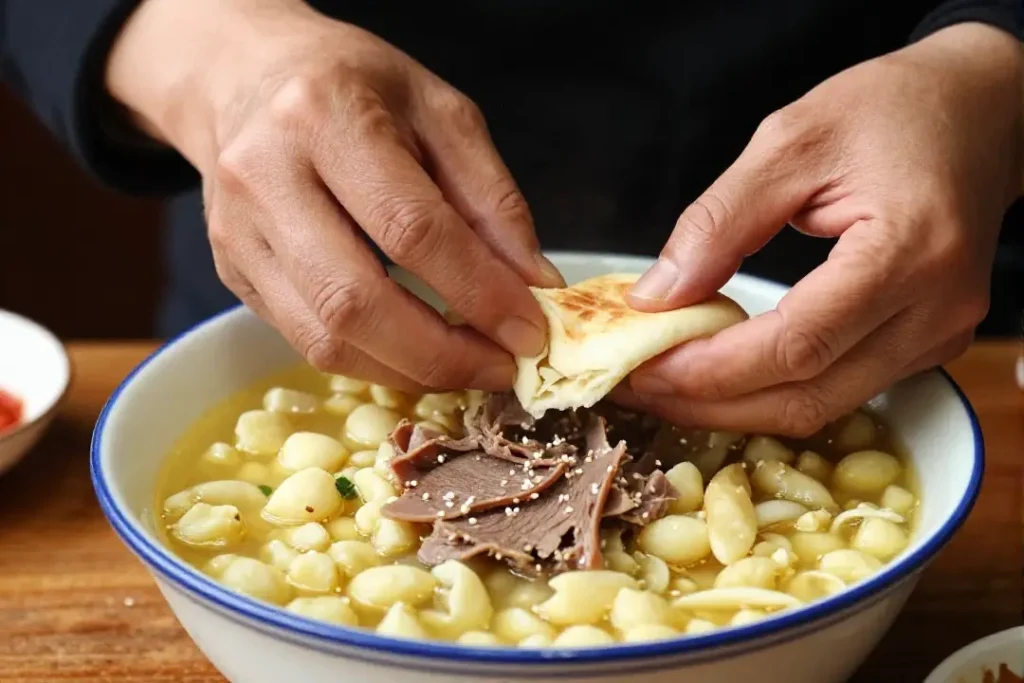
What makes Yangrou Paomo special is that you have to tear the bread yourself.
The server will give you two pieces of hard bread, which you must tear into pieces about the size of a fingernail. If they’re too big, they won’t cook through; if they’re too small, they’ll turn to mush. It’s a skillful task—locals tear them quickly and evenly, while tourists often end up with pieces of varying sizes.
Once you’ve broken them up, hand them to the chef. He’ll boil the bread pieces in the lamb broth, add glass noodles and sliced lamb, and finally pour the hot broth over the top.
What to Pair It With?
Sugar-pickled garlic is a standard accompaniment, used to cut through the richness. If you like it spicy, you can add chili sauce.
Where to Eat?
Lao Sun Jia and Tong Sheng Xiang are both long-established restaurants. A bowl costs 35–50 yuan—it may seem pricey, but it’s very filling.
3. Biangbiang Noodles
The name of this noodle dish may be the most complex character in the Chinese writing system—it has 56 strokes and can’t even be found in dictionaries.
There’s a legend about this character: During the Qing Dynasty, a poor scholar ate noodles but couldn’t pay the bill. The shop owner told him, “If you can create a character for these noodles, I’ll let you eat for free.” On the spot, the scholar composed a mnemonic: “A dot soars to the sky, curves along both banks of the Yellow River, opens wide like the character ‘八,’ and the character ‘言’ slips inside…” The character has been passed down ever since.
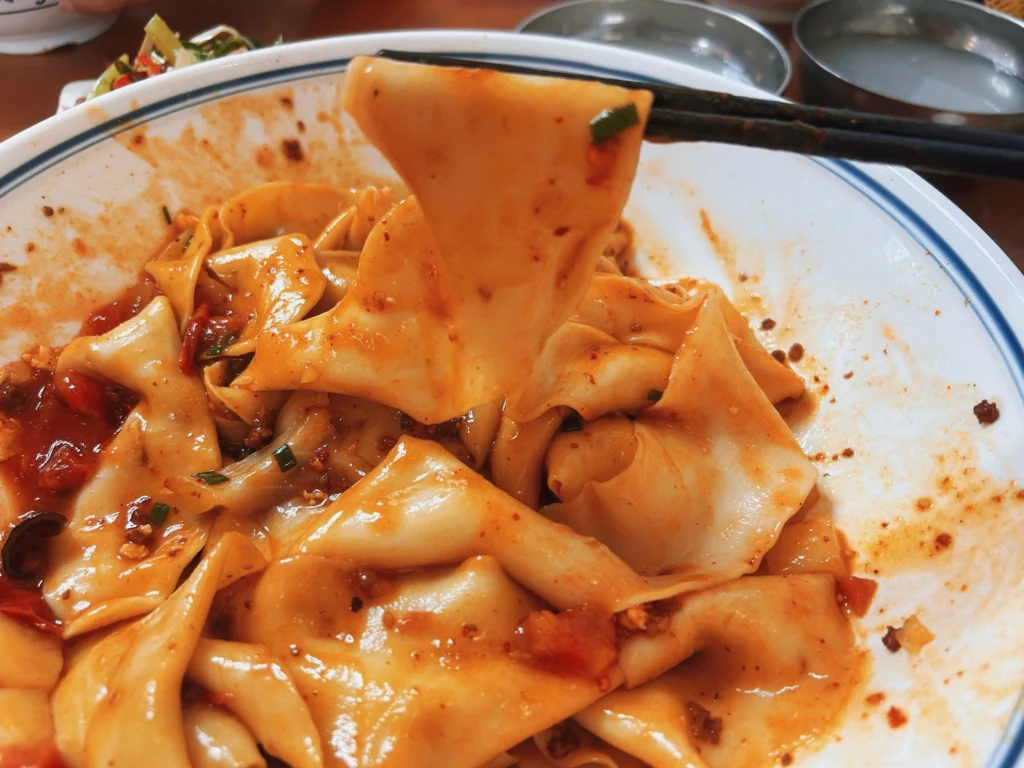
The noodles themselves are quite unique—as wide as a belt, with each strand up to one meter long. The saying “noodles as wide as a belt” from the “Eight Wonders of Shaanxi” refers to this very dish.
How to Eat It?
The most classic way is “oil-splashed” (youpo): sprinkle chili flakes and minced garlic over the noodles, then pour hot oil over them—the aroma bursts out instantly. You can also add “saozi,” a topping made by stir-frying diced meat, potatoes, and carrots.
Where to Eat?
Pick any noodle shop on Hui Muslim Street; just look for one where the chef is pulling noodles right at the entrance and head inside. A bowl costs 15–25 yuan.
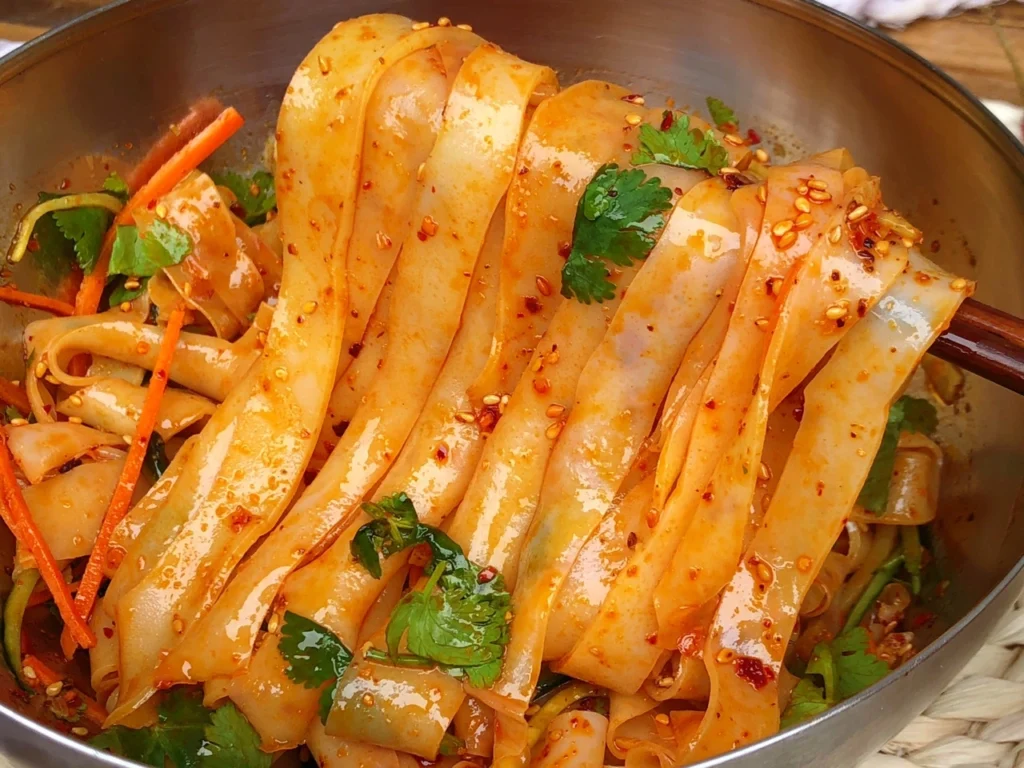
4. Liangpi
When visiting Xi’an in the summer, liangpi is a lifesaver.
Legend has it that during the reign of Emperor Qin Shi Huang, a severe drought struck the Guanzhong region, leaving the common people unable to pay their grain taxes. A man named Li Shier ground dried rice into flour and steamed it into thin sheets. Emperor Qin Shi Huang tasted it and approved, so the people were exempted from paying taxes. It’s hard to say whether this story is true or not, but liangpi certainly became popular around that time.
Varieties
Rice liangpi and wheat liangpi are the two most common types. Rice liangpi is smoother, while wheat liangpi has a chewier texture. There’s also a type called “rolled liangpi,” a specialty of Xi Fu in Shaanxi, which is exceptionally thin and springy.
How to Order?
Order the “Sanqin Set”: liangpi + roujiamo + Bingfeng soda. Bingfeng is a local Xi’an orange soda that’s been around since 1953—it pairs perfectly with liangpi.
Where to Eat?
Qin Town is most famous for its rice noodles, but any place in the city center will do just fine. A serving costs 8–15 yuan.
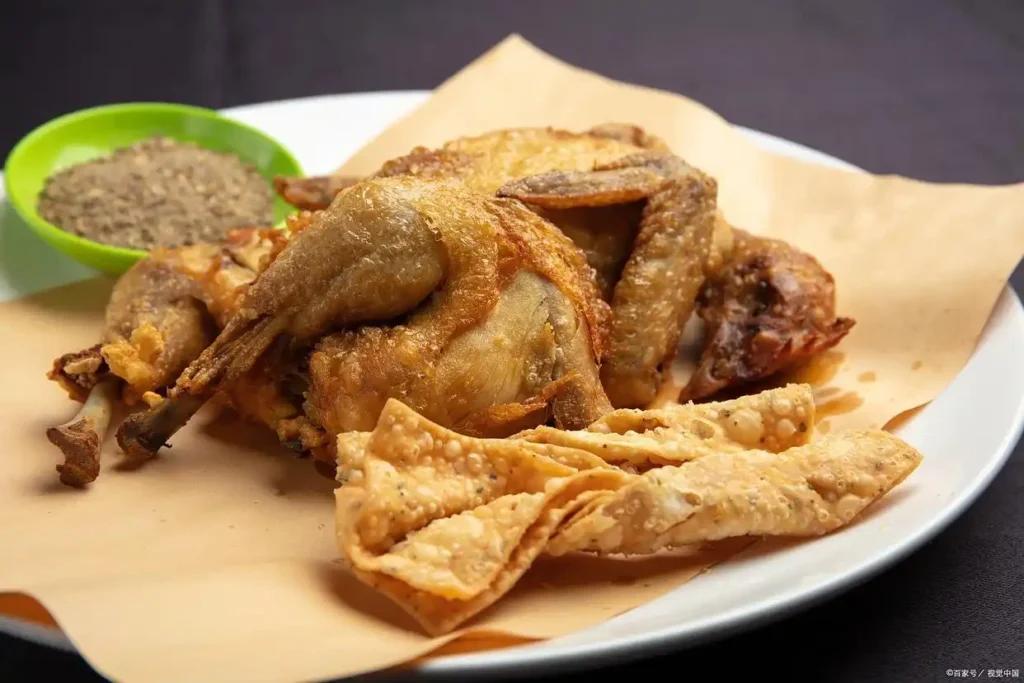
5. Hulu Ji (Gourd Chicken)
There is a rather “dramatic” legend behind this dish.
During the Tang Dynasty, there was an official named Wei Zhi who was extremely picky about food. He ordered a chef to prepare chicken, demanding that it be “crispy on the outside and tender on the inside.” The first chef steamed it first, then deep-fried it, but the meat turned out too tough, so he was beaten to death. The second chef boiled it first, then steamed it, and finally deep-fried it. While the meat was tender, the chicken fell apart, so he was executed as well.
The third chef learned his lesson: he tied the chicken up with string before boiling, steaming, and deep-frying it. When the chicken was served, it resembled a gourd—with crispy skin and tender meat—and Wei Zhi was finally satisfied. From then on, this dish was known as “Gourd Chicken.”
Preparation
Three steps: first, boil to remove the gamey smell; then, steam to infuse flavor; finally, deep-fry to achieve a crispy skin. The chicken is served whole, and the meat falls off the bone effortlessly when picked up with chopsticks.
Where to Eat?
Xi’an Restaurant and Zhujian Gourd Chicken. A whole chicken costs 60–130 yuan and serves 3–4 people.
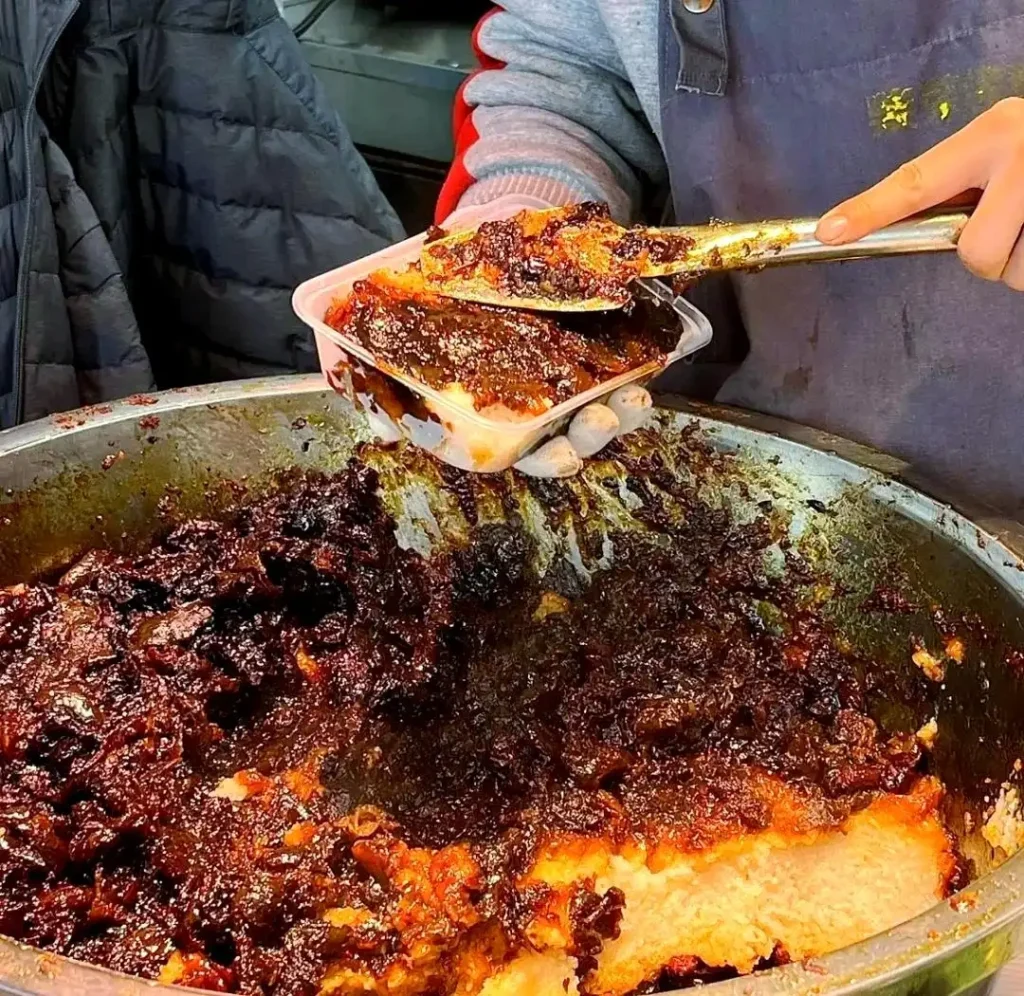
6. Zeng Gao
This is Xi’an’s oldest sweet treat, dating back to the Western Zhou Dynasty.
A “zeng” is a steamer with holes in the bottom that cooks food through steam. This dessert is called “Zeng Gao” because it is steamed in a zeng.
What It Looks Like?
Glutinous rice and red dates are layered one on top of the other and steamed for several hours, allowing the sweetness of the dates to fully infuse into the rice. It has a deep red color and is soft, chewy, and sweet.
When to Eat It?
This is a breakfast dish. Vendors set up shop in the early morning, and the best zeng gao sells out before 9:00 a.m. It’s most enjoyable when eaten hot in the winter.
Where to Eat It?
The Southeast Asia Zeng Gao on Hui Muslim Street is highly recommended by many. It costs 5–10 yuan per serving.
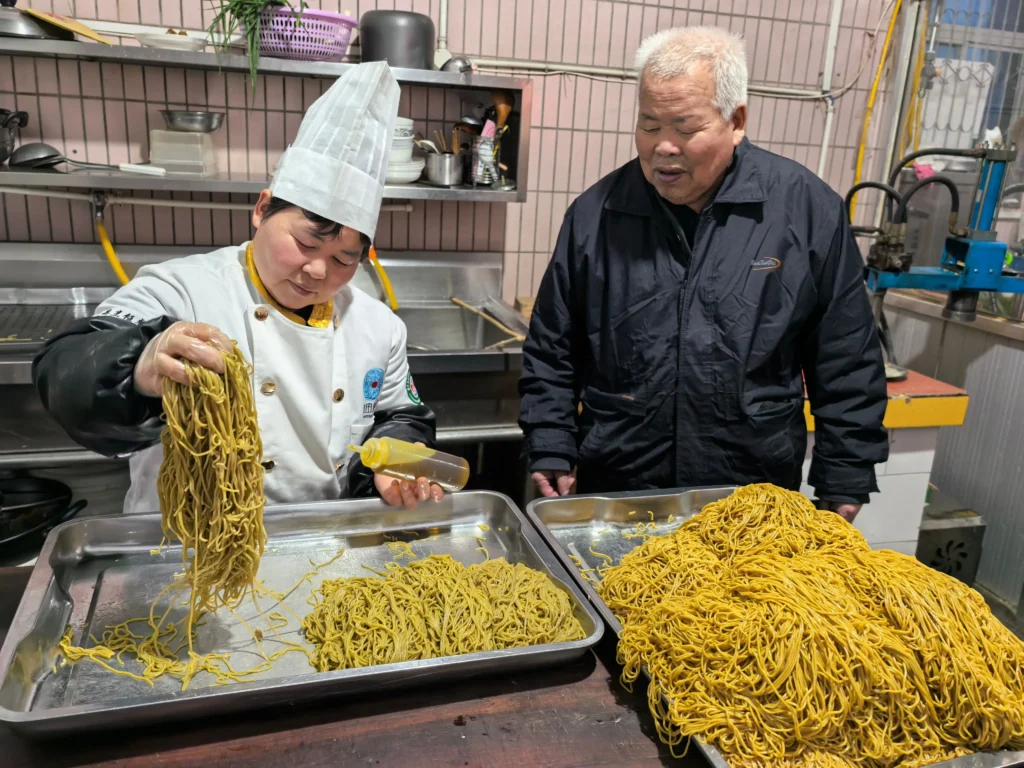
7. Qiaomian Hele (Buckwheat Hele Noodles)
Buckwheat noodles are quite common in northern China, but Xi’an’s Hele noodles are unique in their preparation.
The noodles are pressed through a “Hele bed”—a wooden lever-operated tool—where the dough is squeezed through holes in an iron plate and drops directly into the pot. This method produces round, exceptionally chewy noodles.
Buckwheat noodles have a grayish hue and a nutty aroma. They are more nutritious than wheat noodles, have a low glycemic index, and are suitable for people with diabetes.
How to Eat Them?
In summer, enjoy them cold with sesame paste and chili oil; in winter, eat them hot topped with a meat-based broth.
Where to Eat?
The buckwheat noodles from Xiekou in Lintong are the most famous, but you can also find them in the city center. They cost 12–20 yuan per bowl.
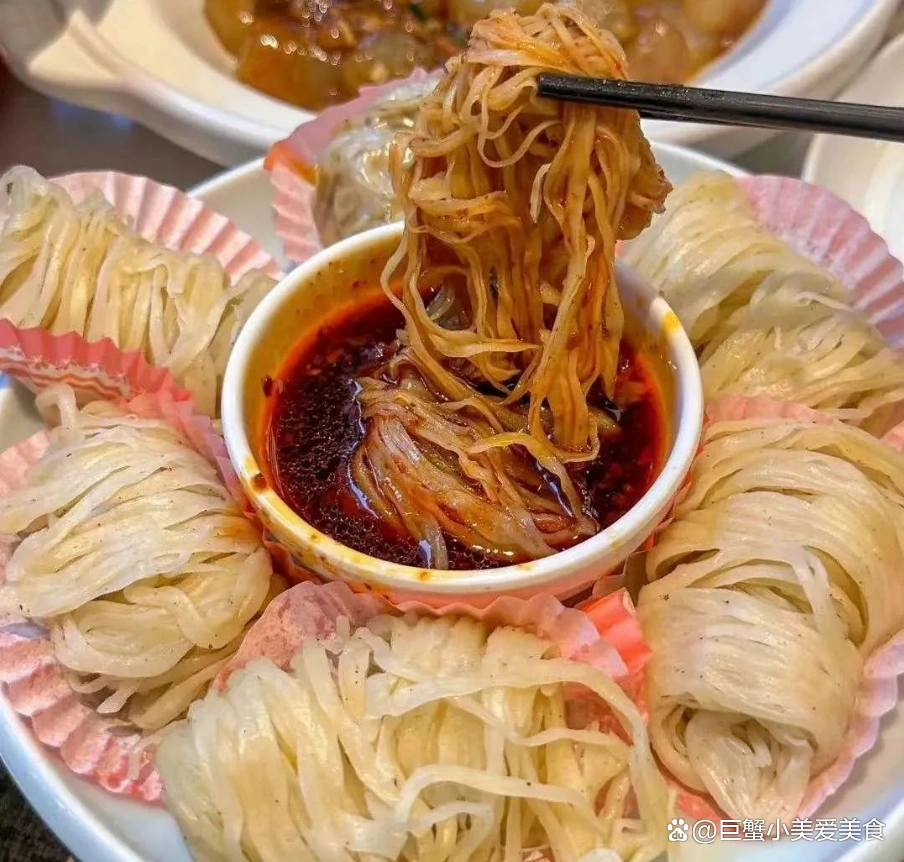
8. Jinxian Youta (Golden Thread Tower)
This pastry is quite a test of skill.
The dough must be rolled out extremely thin; each layer is brushed with lard and five-spice powder, then rolled up, cut into thin strips, arranged in a tower shape, and finally steamed. When eaten, a gentle tug with your fingers causes the strips to unfurl like golden threads.
History
This dish dates back to the Tang Dynasty, when it was known as “Youta.” The story goes that an official passing by was so enticed by the aroma that he dismounted his horse to buy some; he was subsequently impeached for “breaching protocol.” This is the origin of the idiom “dismounting at the scent of a fragrance.”
Where to Eat?
Sanyuan County is the dish’s place of origin, though it can also be found in traditional Shaanxi restaurants in the city. Prices range from 15 to 25 yuan.
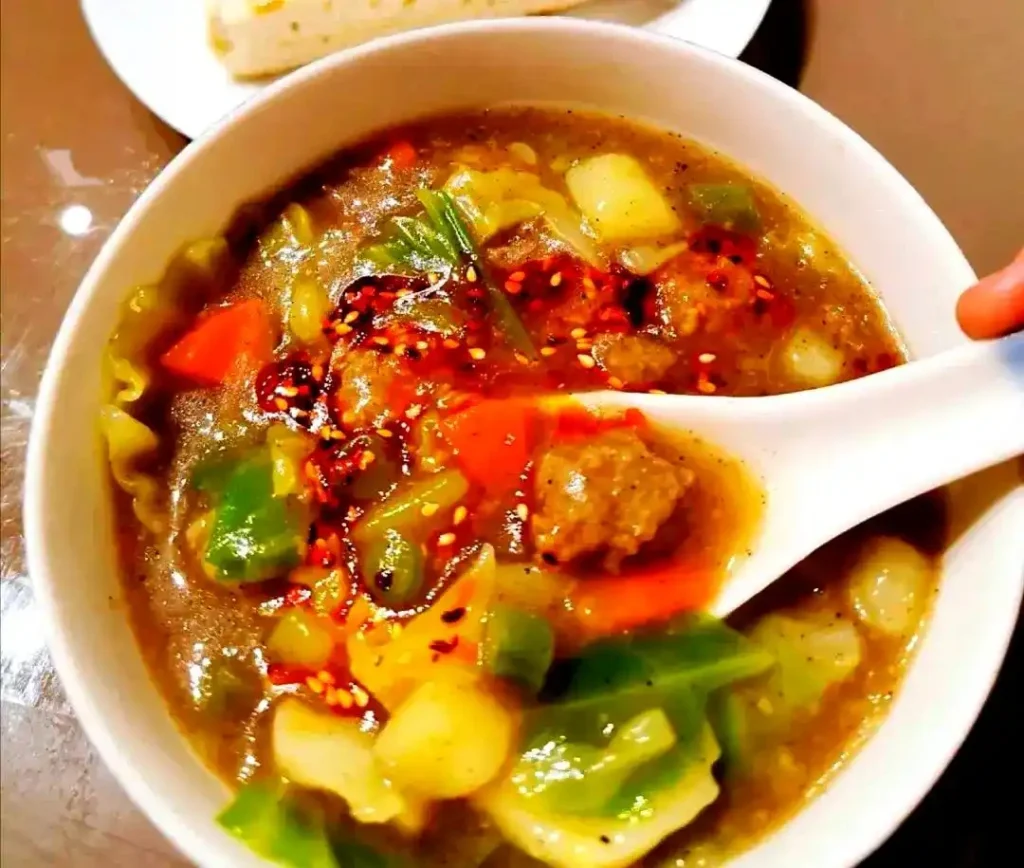
9. Rouwan Hula Tang (Meatball Spicy Soup)
A staple breakfast dish for Xi’an locals.
Hula Tang originally comes from Henan, but Xi’an’s Hui Muslim community has adapted it: they replaced the sliced meat with beef meatballs and thickened the broth with potato starch, making it rich and creamy.
How to Eat It?
Serve with a tuotuo mo (a type of steamed bun), tear off a piece, and stir it into the soup as you eat. You can adjust the spiciness to your liking; we recommend tasting the original flavor first before adding chili oil.
Where to Eat?
Breakfast stalls on Hui Muslim Street—go before 9:00 a.m. Prices range from 10 to 15 yuan per bowl.
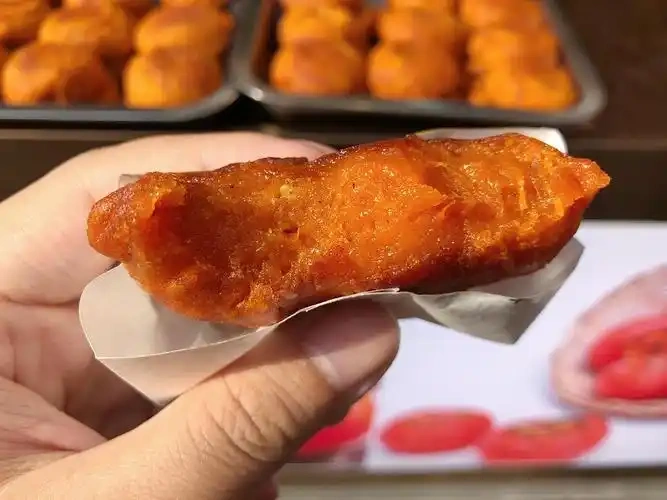
10. Huanggui Shizi Bing (Osmanthus Persimmon Cakes)
There is a historical story behind this snack.
In 1644, Li Zicheng led his troops to attack Beijing. As they passed through Lintong, their military rations ran low. The local people made cakes from persimmons and flour for the soldiers to eat along the way. As a result, the rebel army marched all the way to Beijing and overthrew the Ming Dynasty.
Since then, the people of Lintong have made persimmon cakes every autumn. The tradition later spread to Xi’an, where osmanthus flowers were added, resulting in the version we know today.
When to Eat Them?
In the fall and winter, when persimmons are in season. They taste best fresh out of the oven—crispy on the outside and chewy on the inside.
Where to Find Them?
The most authentic versions are found in Lintong, though they’re also available on Hui Muslim Street in the fall. They cost 5–8 yuan each.
Xi’an Famous Foods: 5 Modern-Style Snacks
In recent years, Xi’an has produced quite a few viral snacks. While some are more about the hype than the taste, a few are definitely worth trying.
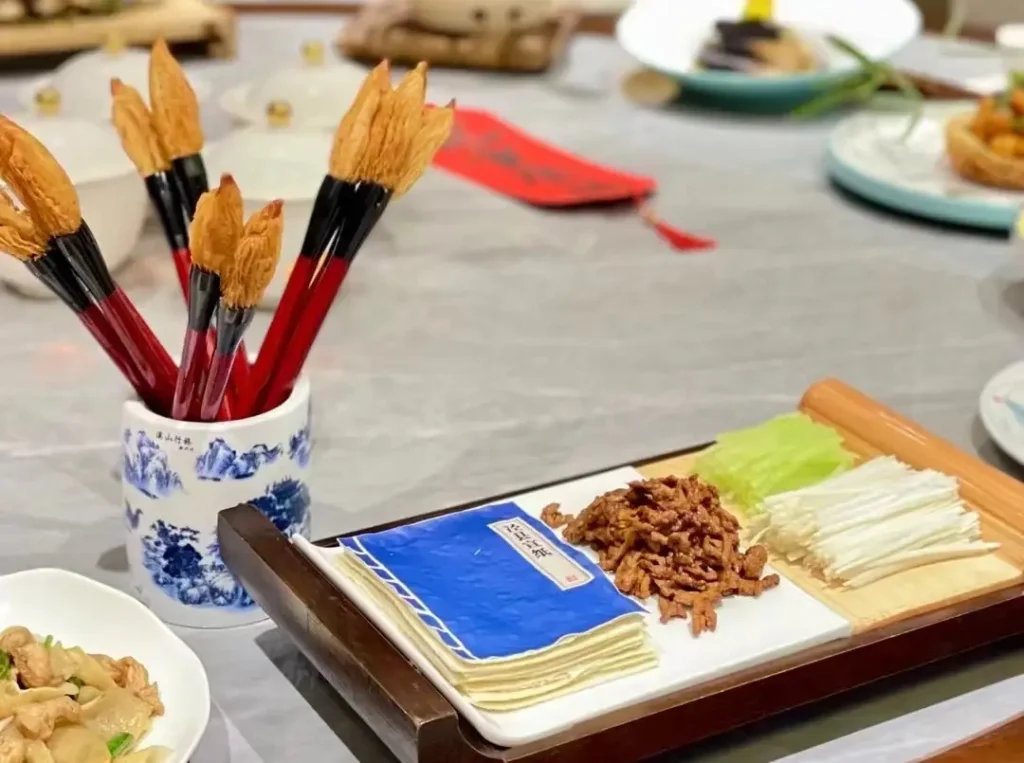
1. Maobi Su (Calligraphy Brush Pastry)
This pastry is shaped like a calligraphy brush, with an edible tip that you can dip in “ink”—which is actually sour plum sauce.
The flavor is relatively mild; it’s mainly designed to look good in photos. Yue Tang’s New Shaanxi Cuisine serves the best version, priced at 48 yuan per set.
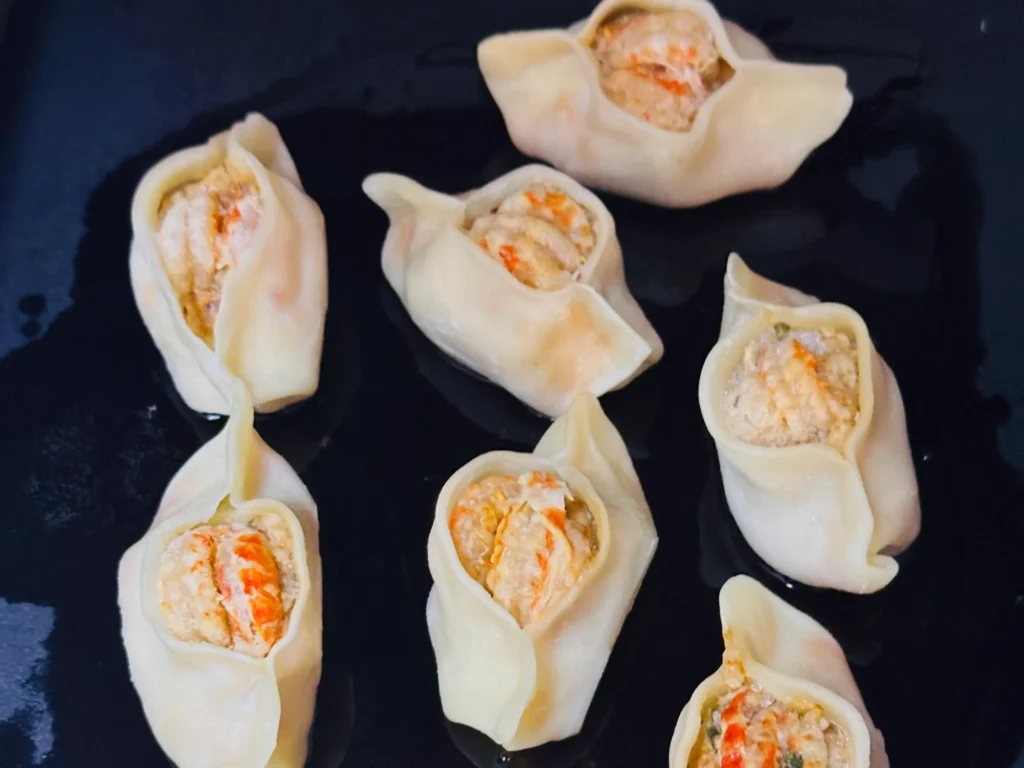
2. Feizi Xiao (Consort’s Smile)
Dumplings filled with shrimp and red beans, named after Yang Guifei.
They look very delicate, with thin wrappers revealing the pink shrimp inside. The flavor is mild, making them ideal for those who don’t like spicy food. 38–58 yuan per serving.
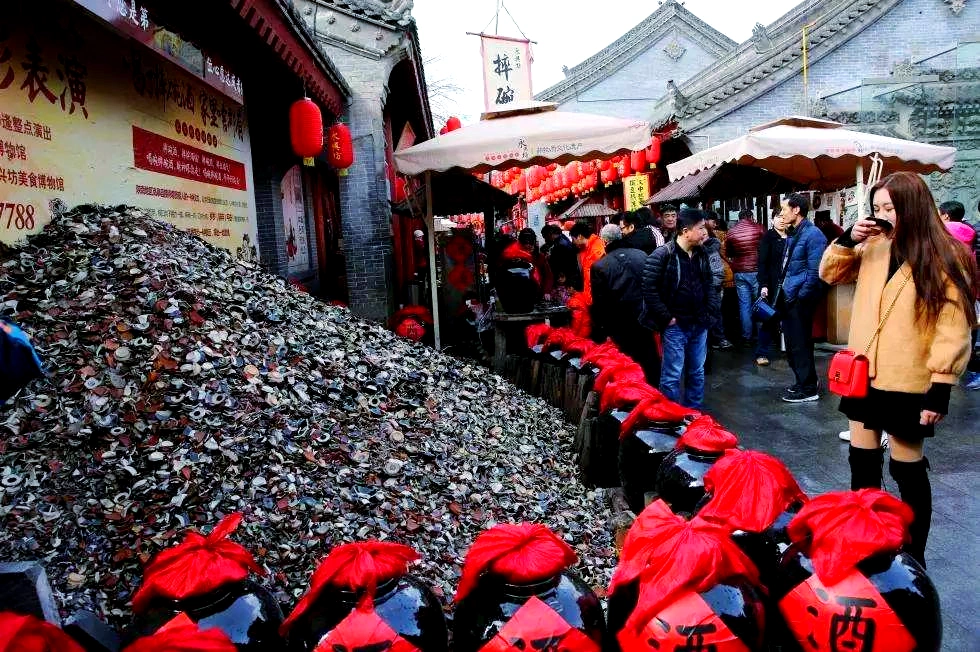
3. Shuai Wan Jiu (Shattered Bowl Wine)
After finishing the wine, smash the bowl on the ground—a gesture symbolizing “peace and safety year after year.”
The wine is ordinary rice wine; the focus is on the experience. 5 yuan per bowl—and once the bowl is smashed, you don’t have to pay for it.
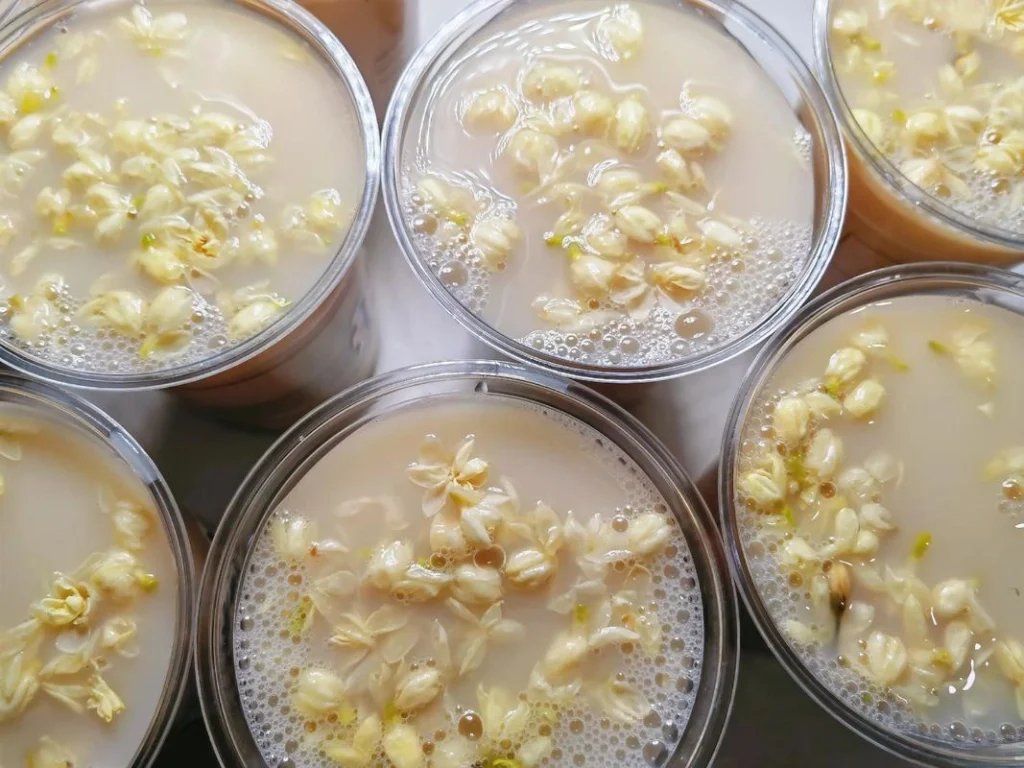
4. Moli Doujiang (Jasmine Soy Milk)
Jasmine flowers are added to the soy milk, giving it a slightly more fragrant aroma than regular soy milk.
It’s perfect for cutting through the richness after a heavy meal. 8–15 yuan.
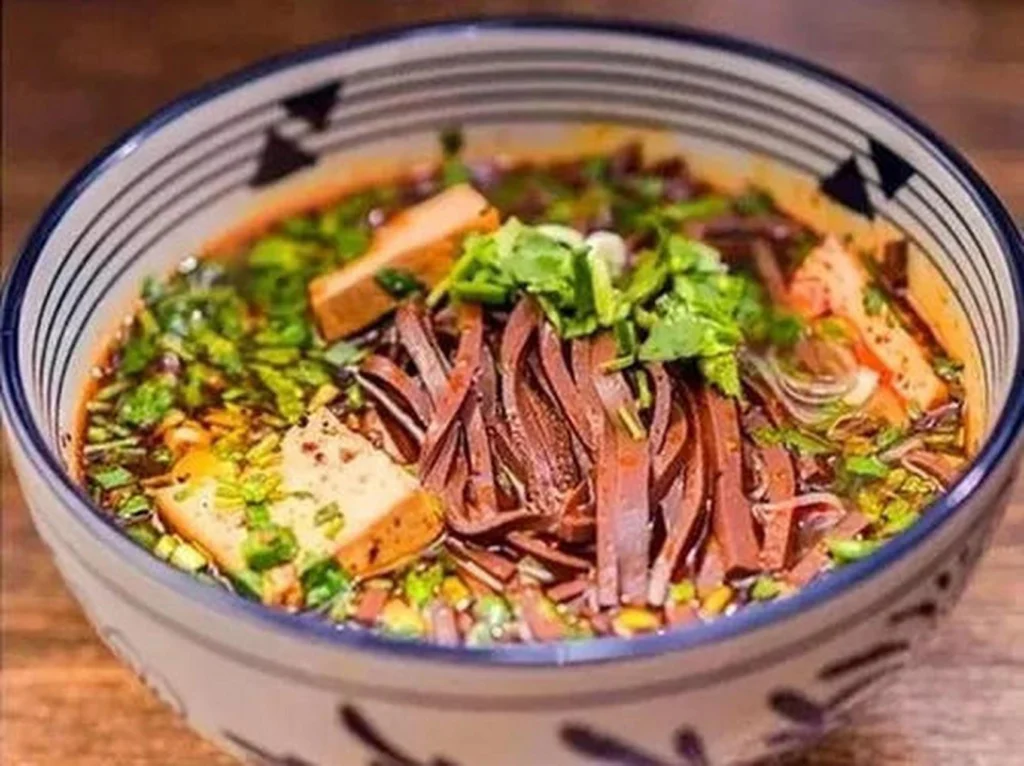
5. Yangxue Fensi Tang (Mutton Blood and Glass Noodle Soup)
The mutton blood actually has almost no gamey smell and has a texture similar to soft tofu. The broth is rich and flavorful, and the glass noodles are chewy.
If you’re willing to give it a try, you’ll find it’s even better than you imagined. 15–25 yuan per bowl.
In Conclusion
The reason Xi’an Famous Foods has gone viral from the streets of Xi’an all the way to New York isn’t just because the food tastes good. There’s a story behind every dish—roujiamo has been passed down from the Warring States Period to the present; yangrou paomo was once a ritual offering for emperors; and the legend of huluji sounds like a dark fairy tale.
When you visit Xi’an, be sure to see the Terracotta Army, but don’t forget to set aside some time for eating. After all, with a history spanning three thousand years, you haven’t truly experienced Xi’an until you’ve tasted its cuisine.