Xi’an famous Hand Pulled Noodles Guide: 6 Types You Must Try
- The 5 Major Types of Xi'an famous Hand Pulled Noodles: Everything You Need to Know in One Article
- Biangbiang Noodles (Belt Noodles) — The Signature Dish of Xi’an famous Hand Pulled Noodles
- Oil-Splashed Pulled Noodles — A Masterpiece Where Hot Oil Unleashes the Aroma
- Qishan Saozi Noodles — A Living Fossil with a 3,000-Year History
- Yangling Dipped Noodles — Sold by the strand, with broth served in separate bowls
- Spinach Noodles — Handmade Green Noodles Made with Spinach Juice
- Where to Go for Hand-Pulled Noodles in Xi’an?
When it comes to Xi’an famous hand pulled noodles, have you only heard of biangbiang noodles? As the ancient capital and starting point of the Silk Road, Xi’an has been home to a rich wheat-based culinary culture for thousands of years. The variety of hand-pulled noodles here is so vast that you could eat a different kind every day for a week without repeating a single one. From biangbiang noodles—as wide as a belt—to youpo noodles, which sizzle with a “sizzle” when hot oil is poured over them, to Qishan saozi noodles with a 3,000-year history—this guide to Xi’an’s hand-pulled noodles will help you identify all six varieties at once, so you can order them with confidence on your next visit to Xi’an.
The 5 Major Types of Xi’an famous Hand Pulled Noodles: Everything You Need to Know in One Article
Unlike Lanzhou hand-pulled noodles, which rely on the chef’s technique to shine, Xi’an hand-pulled noodles are characterized by the techniques of “pulling” and “throwing.” The dough is pounded on the cutting board with a thunderous roar, and the noodles come in every shape imaginable—from wide strips to round strands. Locals will guide you through all six varieties, each with its own unique character.
Biangbiang Noodles (Belt Noodles) — The Signature Dish of Xi’an famous Hand Pulled Noodles
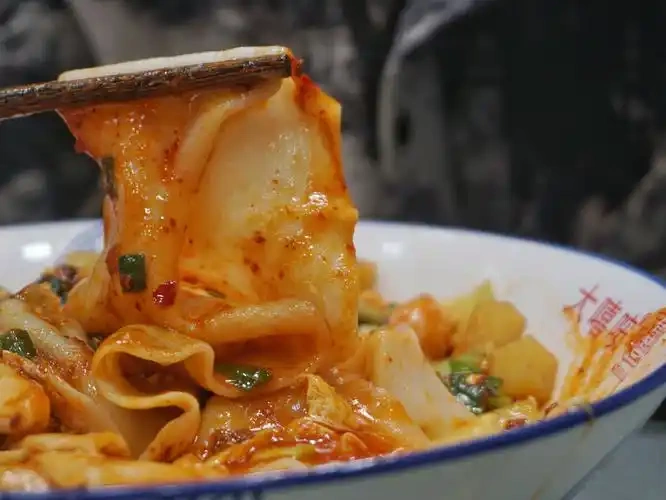
Biangbiang noodles are undoubtedly the most famous of Xi’an’s hand-pulled noodles. The saying “noodles as wide as a belt” from the “Eight Wonders of Shaanxi” refers to this very dish. The noodles are 2–3 centimeters wide, and when pulled by hand, they make a “biang biang” sound as they hit the cutting board—hence the name. The character “biang” has 42 strokes in simplified Chinese and 56 in traditional Chinese; it’s reputed to be the most complex character in the Chinese writing system, and you really can’t write it without some education.
A bowl of authentic biangbiang noodles typically comes as a “three-in-one” combo—minced pork, tomato and egg, and chili oil—topped with chopped scallions and minced garlic. When hot oil is poured over it, the aroma fills the air. The noodles are thick and hearty, clinging to the sauce, and have a rich, nutty wheat flavor when chewed.
Oil-Splashed Pulled Noodles — A Masterpiece Where Hot Oil Unleashes the Aroma
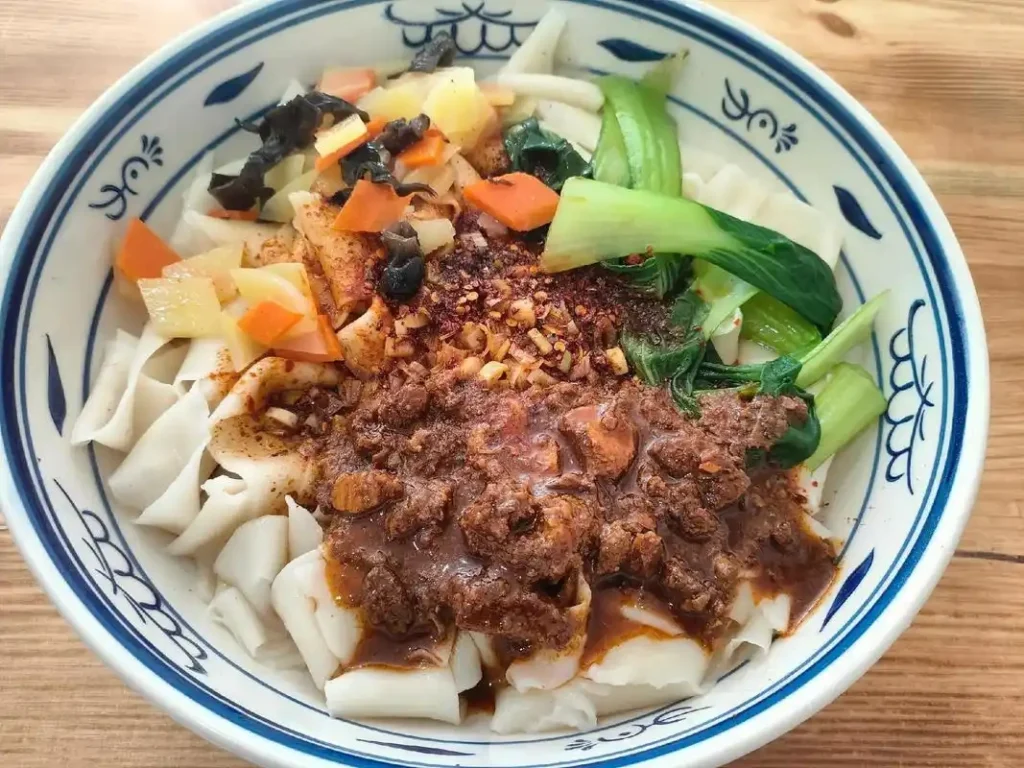
Oil-splashed noodles actually refer to a “cooking method” for Xi’an noodles rather than a “type” of noodle—any hand-made noodles can be prepared this way. But the most classic version is undoubtedly oil-splashed pulled noodles. Once the hand-pulled noodles are cooked and placed in a bowl, they’re sprinkled with chili flakes, Sichuan pepper powder, minced garlic, and chopped scallions. Then, a spoonful of rapeseed oil heated until it’s smoking is poured over them—with a sizzling “sizzle,” the aroma explodes instantly.
Xi’an locals have a saying about oil-splashed noodles: “A bowl of noodles, a handful of chili flakes, and a spoonful of hot oil—that’s all it takes to make it legendary.” You must eat oil-splashed pulled noodles with raw garlic and pair them with a bottle of Bingfeng soda; that’s how simple the locals’ joy is. A bowl of oil-splashed noodles at a street-side eatery costs about ¥10–15—affordable and incredibly satisfying.
The difference between oil-splashed pulled noodles and oil-splashed stick noodles: Pulled noodles are flattened into sheets, giving them a softer, chewy texture that’s easy to digest; stick noodles are rolled into cylindrical shapes, offering more chew and holding onto more sauce, making them a favorite among younger people.
Qishan Saozi Noodles — A Living Fossil with a 3,000-Year History
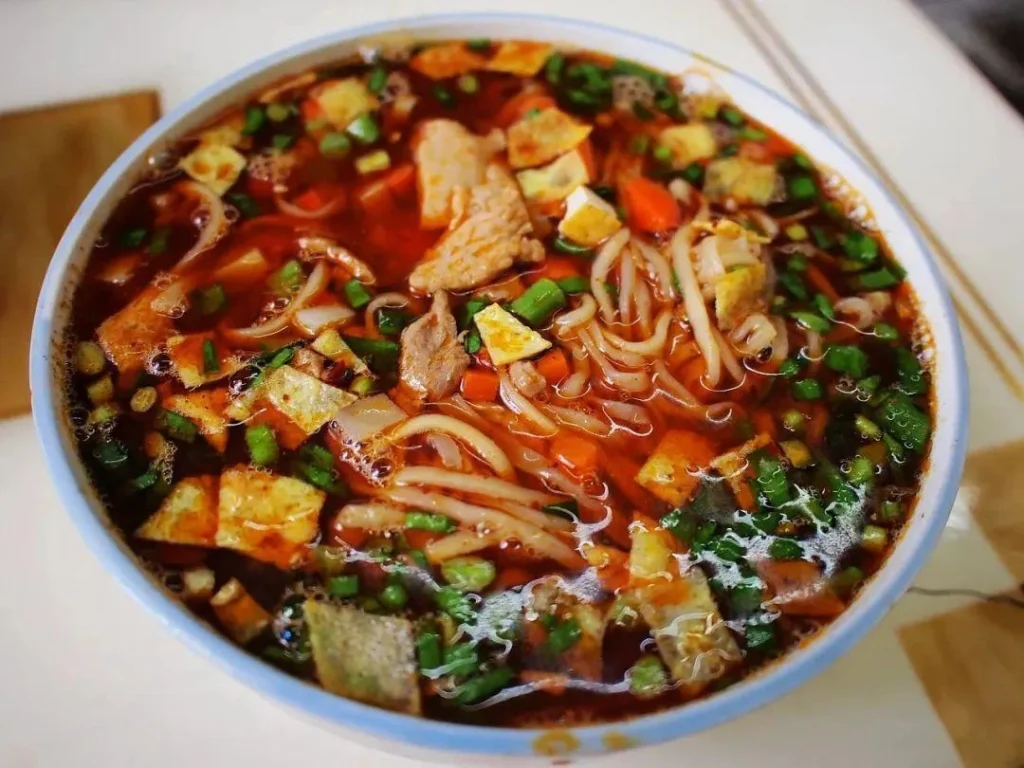
Qishan Saozi Noodles are in a completely different league from the previous varieties. They don’t rely on thick, wide noodles to win you over, but rather on the broth and the meat topping. The noodles are long, thin, and chewy, embodying the principles of “thin, chewy, and glossy”; the broth is sour, spicy, savory, and fragrant, embodying the principles of “scorching hot, abundant, and rich in oil.”
Saozi Noodles originated 3,000 years ago during the Zhou Dynasty and are linked to the sacrificial rituals of that era. Legend has it that King Wen of Zhou slew a vicious dragon in the Wei River, chopped the dragon’s meat into a mince, and poured it over noodles to reward his soldiers and the people—which is why Saozi Noodles are also known as the “divine dish.” In 2011, the craft of making Qishan Saozi Noodles was listed as part of Shaanxi Province’s Intangible Cultural Heritage.
The etiquette for eating Saozi Noodles is also quite interesting: one is supposed to eat only the noodles and not drink the broth; the broth is poured back into the pot to be reused, symbolizing “enduring blessings.” A single bowl contains only a single chopstick’s worth of noodles, and one must eat more than a dozen bowls to feel truly satisfied.
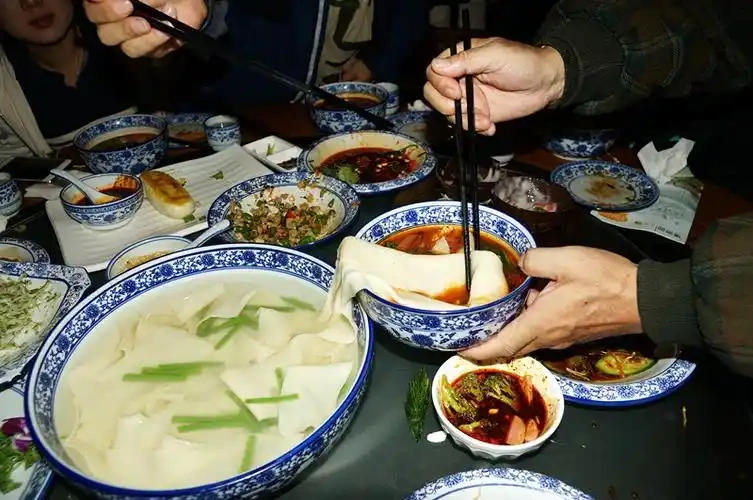
Yangling Dipped Noodles — Sold by the strand, with broth served in separate bowls
Dipping Noodles are the dish with the most “ceremonial feel” among Xi’an’s noodle specialties. Sold by the strand at ¥1.50 each, these noodles are 3–5 centimeters wide and 1.5–3 meters long. They’re served in a large bowl alongside a bowl of dipping sauce—when eating, you use chopsticks to lift a strand of noodles into the dipping sauce to “cross the bridge” before eating it.
The noodles are prized for being “white, thin, chewy, and glossy,” while the dipping sauce is a tomato-and-egg broth topped with minced garlic and chili oil. The white noodles contrast with the green spinach, earning the dish the name “One Green, Two Whites.” The first bite—cold noodles dipped in hot soup—offers a particularly rich and layered texture. Yangling Dipped Noodles are one of Shaanxi’s most famous dishes. Like biangbiang noodles, they belong to the “belt-shaped noodles” family, but the way they’re eaten is completely different.
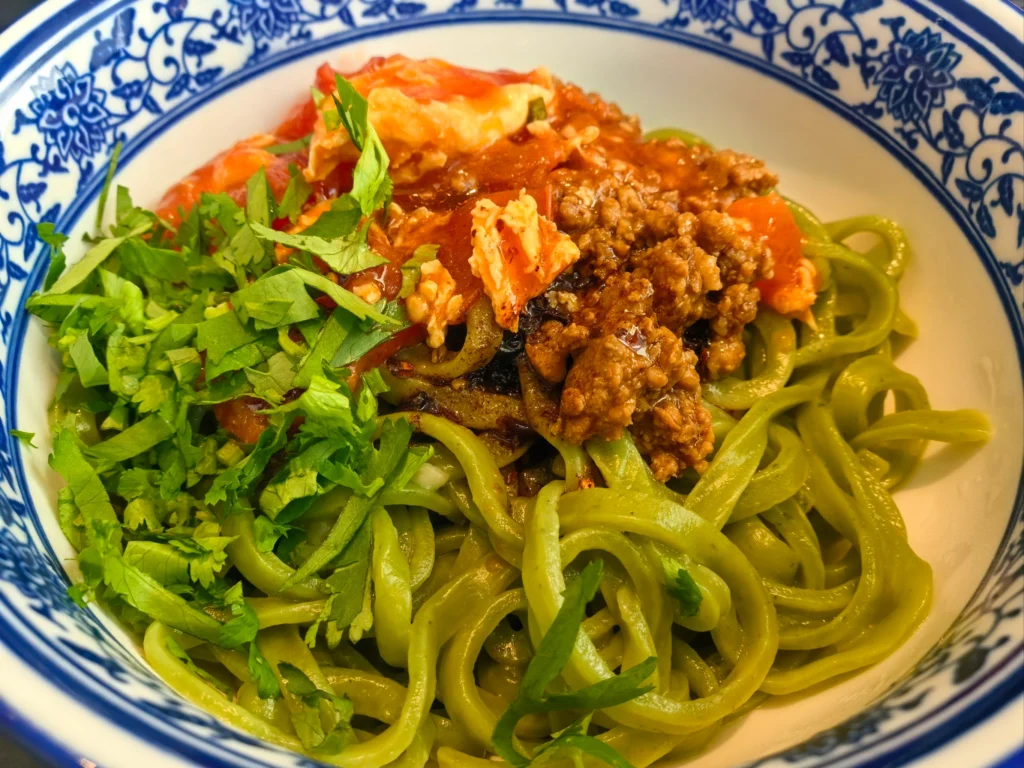
Spinach Noodles — Handmade Green Noodles Made with Spinach Juice
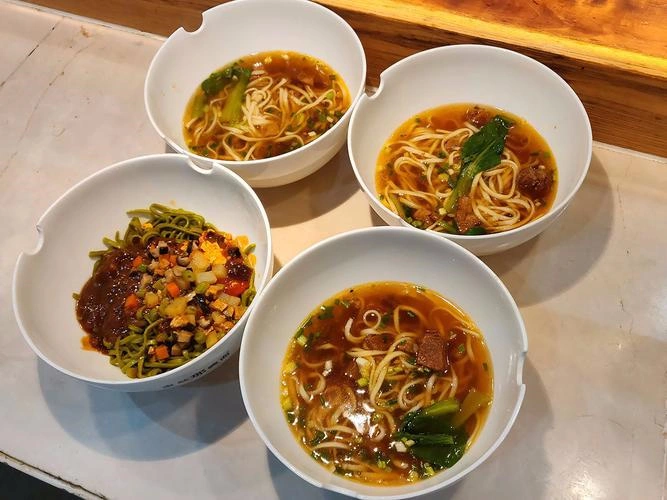
Spinach noodles are the most visually appealing variety among Xi’an’s handmade pulled noodles. Fresh spinach is juiced and used in place of water to knead the dough, resulting in bright green noodles that look incredibly appetizing.
The most famous spot is KunKun Spinach Noodles (Xiajia Shizhi branch), which has been in business for over a decade, growing from a humble eatery into a chain brand. The restaurant offers an especially wide variety of toppings: stir-fried potato slices with carrots, tomatoes with eggs, and large chunks of braised beef. Add a spoonful of chili oil and toss it all together—the result is a fragrant, numbing, and delicious bite. After actor Bai Yu recommended it, the place instantly became an internet sensation, with an average price of about ¥16 per person.
The spinach noodles have a subtle, fresh spinach aroma, and the noodles are cooked to perfection—al dente with a satisfying chew. Kun Kun’s beef chunks are extra-large, making each bowl incredibly satisfying. Besides Kun Kun, Luo Jia Noodles is another time-honored option for spinach noodles.
Where to Go for Hand-Pulled Noodles in Xi’an?
Now that you’re familiar with the different types, the next question is where to eat them. Noodle shops in Xi’an are generally concentrated in three areas:
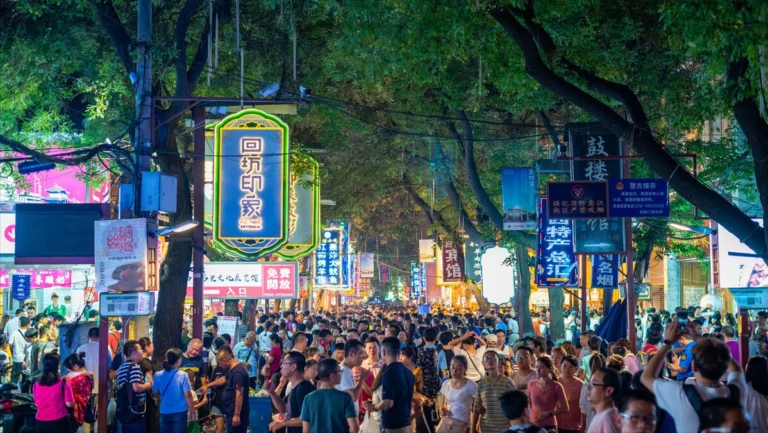
Xi’an Muslim Street and Surrounding Area: The most popular spot among tourists, where you can enjoy biangbiang noodles, youpo noodles, and mutton paomo all in one place. Recommended spots include the Biangbiang Noodles Restaurant on Nanyuanmen and Lao Bai Jia Noodle House (a 30-year-old institution renowned for its oil-splashed “gun-gun” noodles).
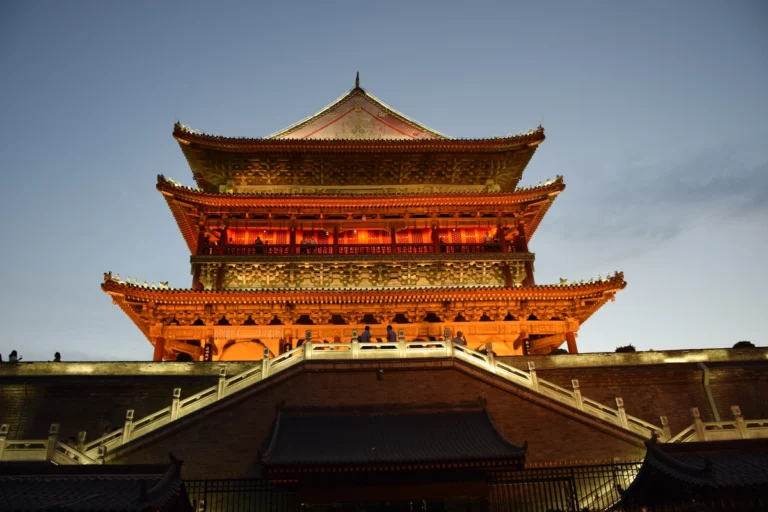
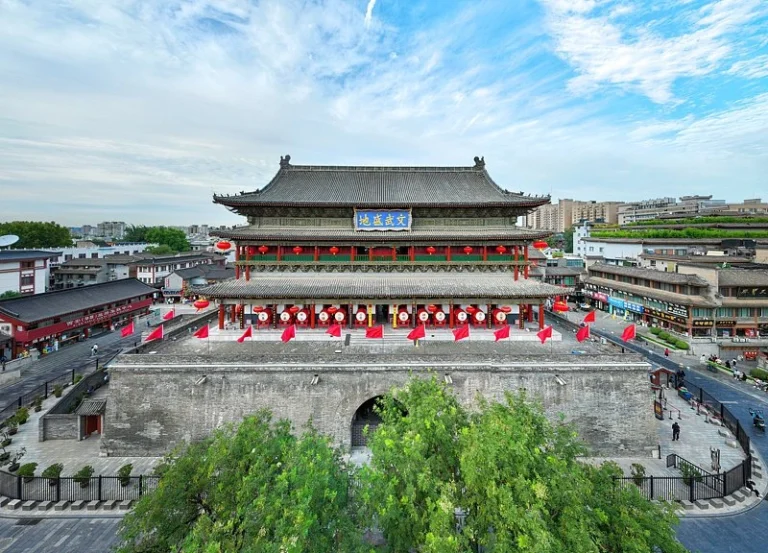
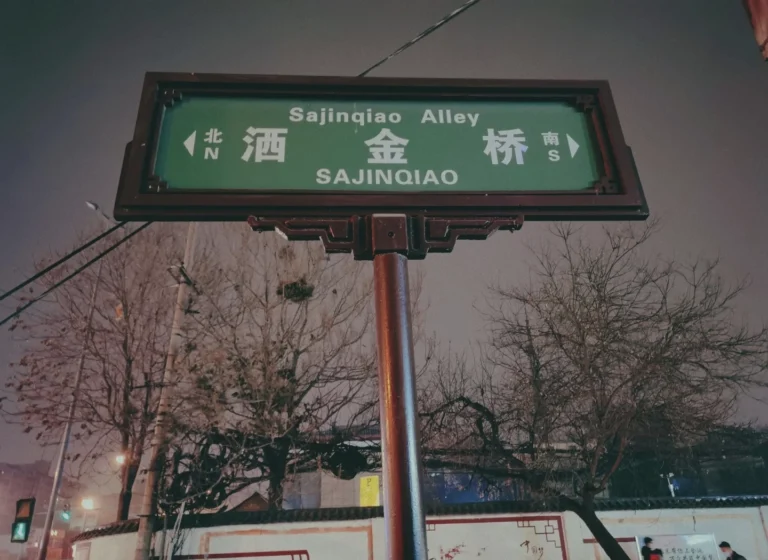
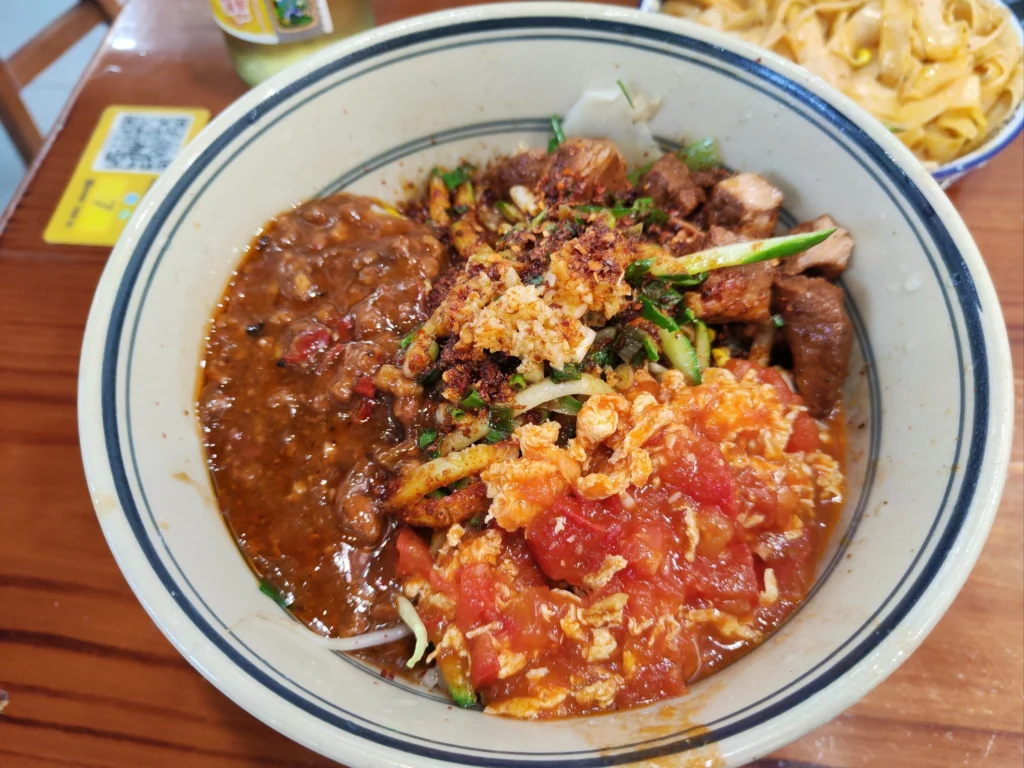
Dongda Street/Bell Tower Area: Liu Xiang Noodles (Jiqing Alley, Anban Street) is a legend in Xi’an’s noodle scene. Specializing in dry-tossed beef noodles, it’s been open for nearly 40 years, and long lines are the norm. Also check out Daxihe Biangbiang Noodles .
Hidden Gems in Back Alleys: Kun Kun Spinach Noodles (Xiajia Shizhi), Liu’s Braised Pork Noodles (No. 33 Dachejia Alley—even Daniel Wu has checked in here), and Lao Li Noodle House (Beijiao-style tomato-based fried sauce noodles; open only in the afternoon).
A good bowl of noodles generally costs between ¥10 and ¥25 (2026 data). Prices are a bit higher in the Hui Muslim Street tourist area, but the small street-side eateries offer excellent value for money.
With Xi’an noodles, one bite is a taste, and one bowl is a piece of culture. From the hearty biangbiang noodles to the millennia-old tradition of Qishan saozi noodles, every bowl of Xi’an famous hand pulled noodles captures the vibrant spirit of this city. Next time you visit Xi’an, don’t just snap photos of the Terracotta Army—follow this guide to Xi’an hand pulled noodles, find a noodle shop, sit down, and dig into a bowl. We guarantee you won’t want to leave.