What to Eat in Xi’an: 10 Must-Try Foods & Where Locals Actually Go
- 10 Must-Try Dishes in Xi'an: From Roujiamo to Biang Biang Noodles
- Don’t Just Crowd into the Muslim Street: 4 Alleys Known Only to Locals
- You Have to Get Hands-On to Eat Right: Breaking the Steamed
- Halal, Vegetarian, and Budget: Addressing All Concerns at Once
- A Day of Eating: A Route from the Morning Market to the Night Market
- FAQ
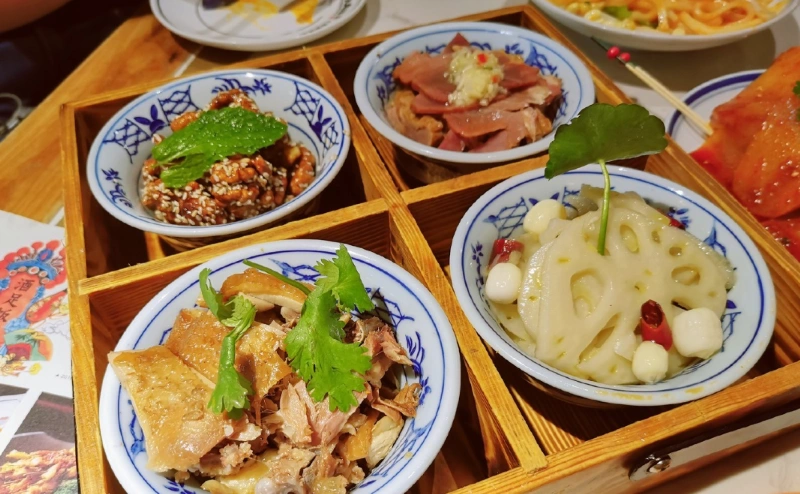
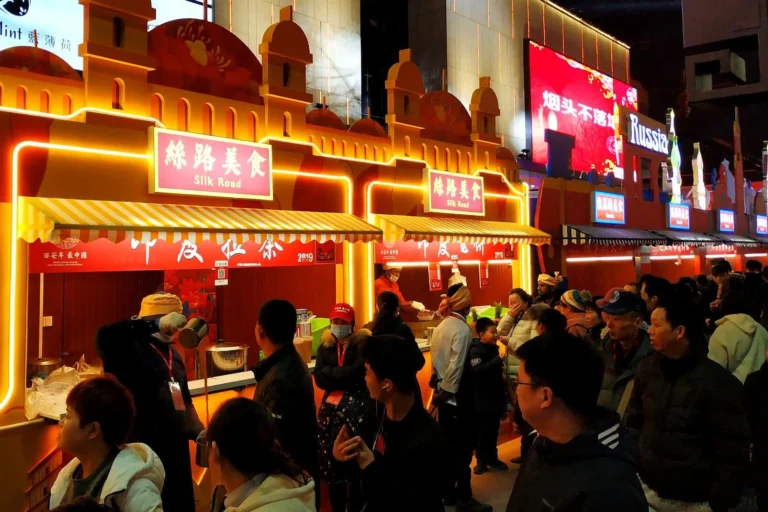
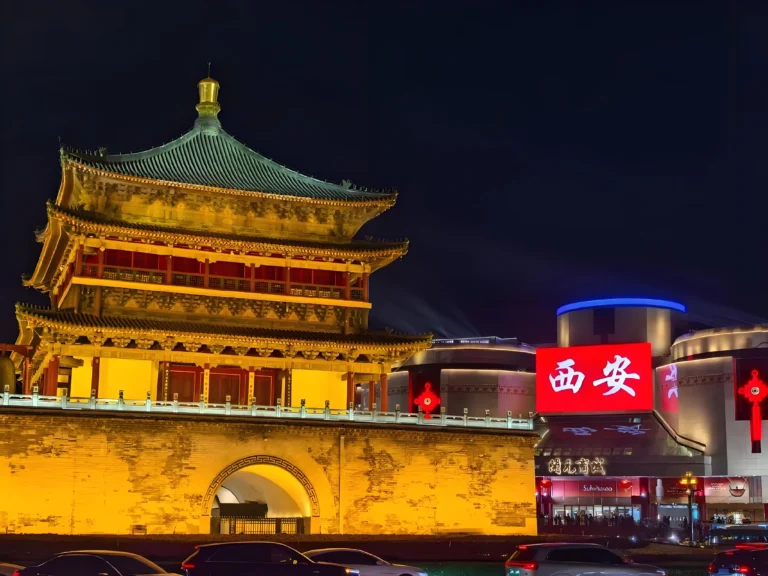
If you ask me, “What to eat in Xi’an?” I’d probably tell you to take a deep breath first—the scent of chili oil wafts through this city, seeping from the city gates all the way into the deepest alleys. Xi’an, historically known as Chang’an, is the starting point of the Silk Road: back in the day, foreign merchants brought wheat and the art of grilling, while the Central Plains contributed brewing techniques and noodle-making skills. Blended with the millennia-old halal culinary traditions of the Xi’an Muslim Street, these elements have come together to create today’s “carbohydrate paradise.” So when it comes to “what to eat in Xi’an,” my first piece of advice is: whatever you do, don’t head straight for the main street of the Muslim Quarter the moment you land—that’s where tourists learn the hard way. The true flavors of Xi’an are hidden in the deeper alleys. Xi’an is also a city spoiled by carbohydrates—wheat arrived via the Silk Road, and locals can’t go a day without some form of noodles for every meal. Only by entrusting your stomach to hidden alleys like Sajinqiao can you truly get the hang of it. This unhurried pace is precisely what makes Xi’an’s dining culture so enchanting.
10 Must-Try Dishes in Xi’an: From Roujiamo to Biang Biang Noodles
The following 10 items make up my essential list of “what to eat in Xi’an.” Each entry includes “where to eat” and the average price per person—you can’t go wrong if you follow this guide.
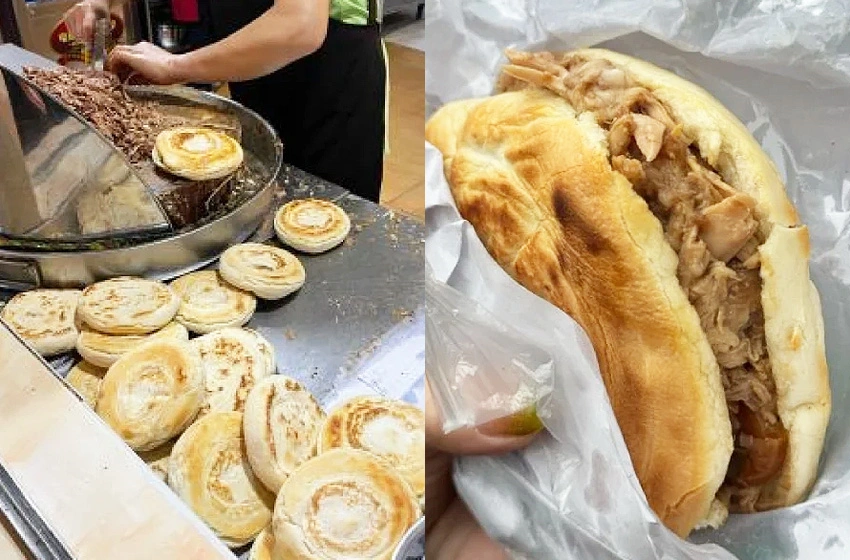
1. Roujiamo (Rou Jia Mo) — Xi’an’s “Chinese-style hamburger.” The La Zhu Rou Jia Mo in the Han District features pork, while the Hui Quarter offers a halal version with cured beef; a good roujiamo is characterized by a “round shape, a thick back, and a flower-like center,” and the authentic version contains only meat—no green peppers or lettuce. Where to Eat: Fan Ji La Zhu Rou (Zhubashi, founded in 1904, about 13 yuan); Qin Yu Roujiamo (Dongmutoushi, featured on A Bite of China, with freshly baked Bai Ji buns, about 14 yuan).
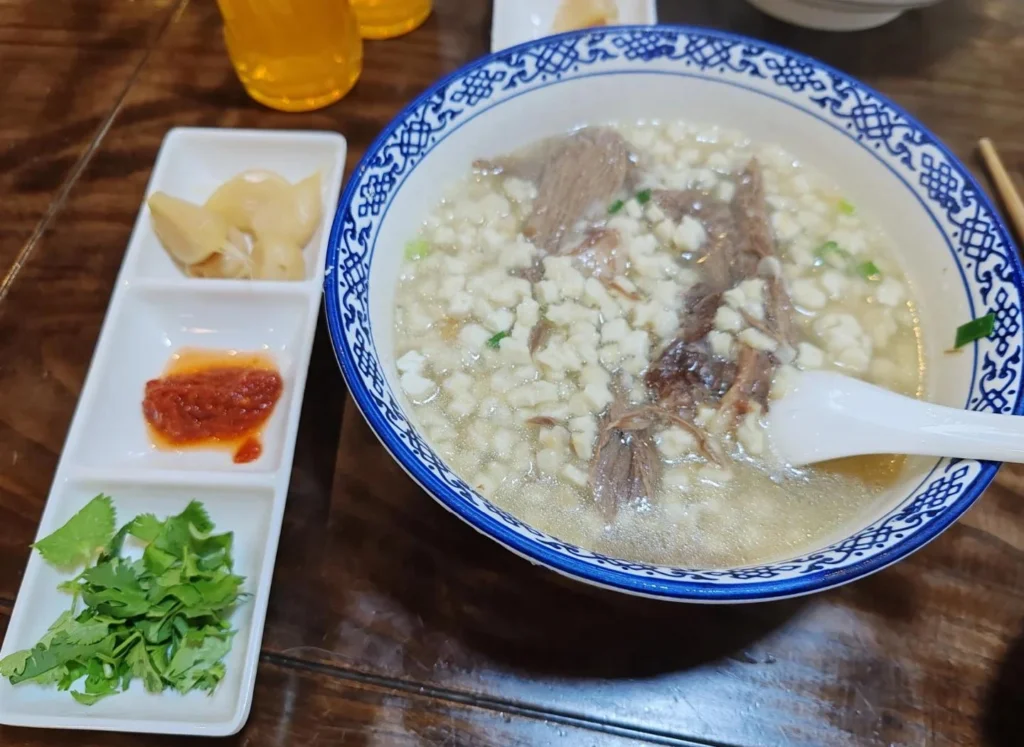
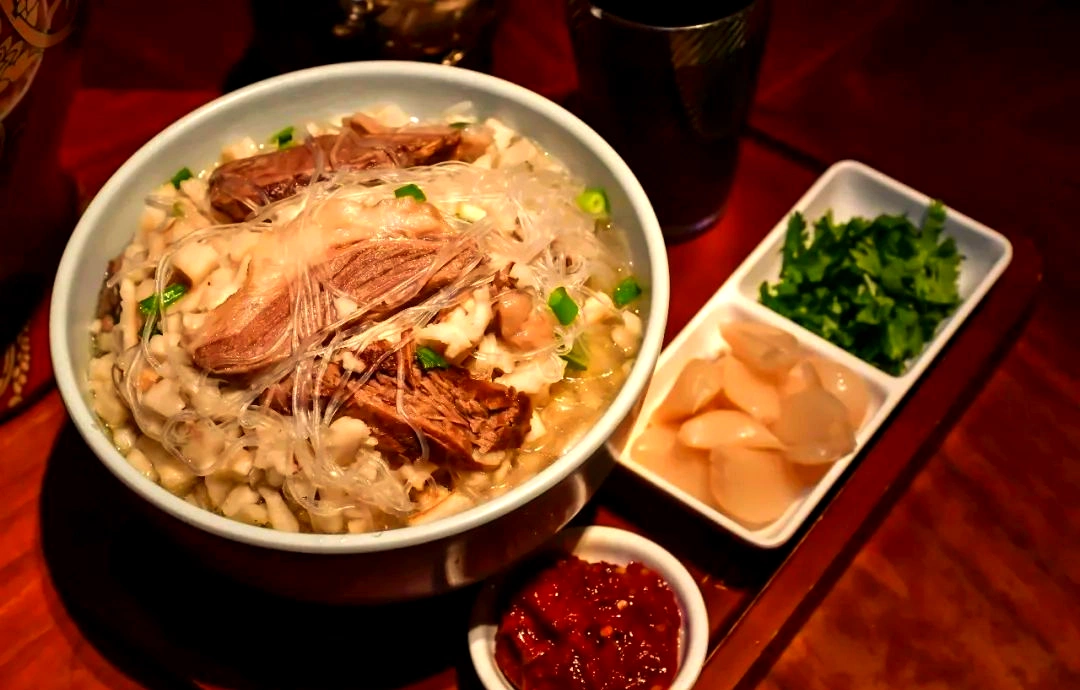
2. Yangrou Paomo (Lamb Stew with Bread) — Tearing the bread yourself is part of the ritual. Served with sweet garlic and spicy sauce, it’s a National Intangible Cultural Heritage dish available in three broth levels: “dry,” “water-enclosed,” and “soup-based.” Where to eat: Tong Shengxiang (Bell Tower; a time-honored brand since 1920, approx. 37 yuan), Lao Sunjia (Duanlumen; the broth has a fragrant Sichuan pepper aroma, approx. 35 yuan).
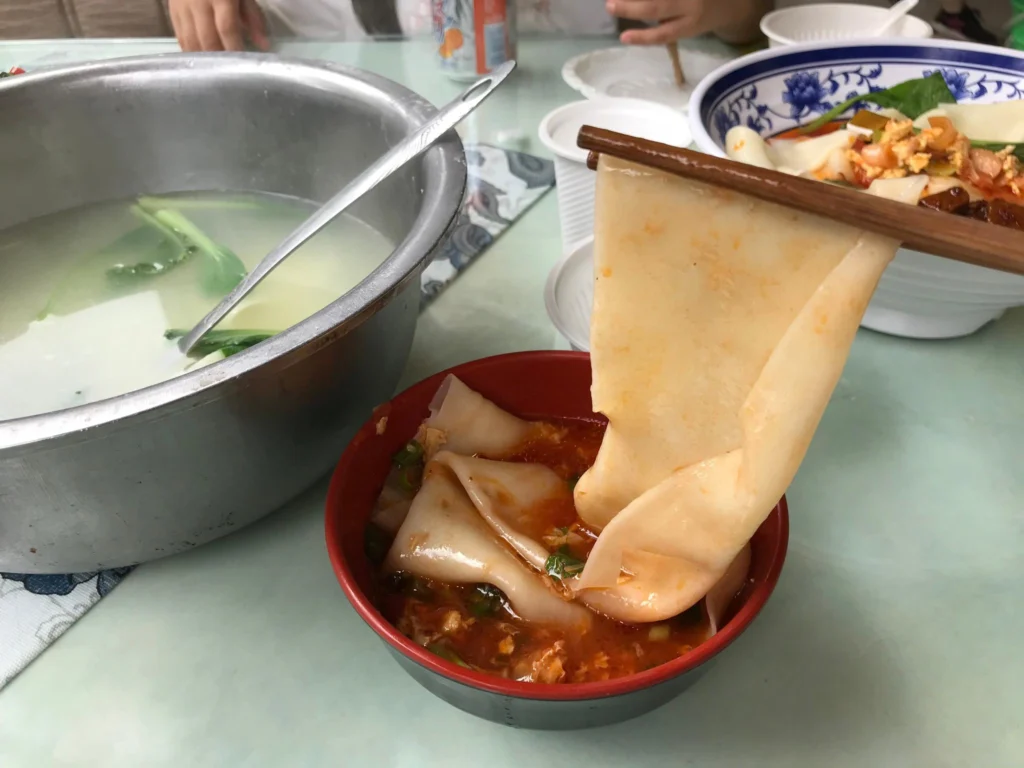
3. Biang Biang Noodles (Kutai Noodles) — As wide as a belt, hand-stretched and tossed, served with the classic “oil-splashed” style or the “Three-in-One” (minced meat, tomato and egg, and fried bean paste). Where to eat: Ai Hua Kutai Noodle House (Duanlumen, 20 years in business; “Three-in-One” about 22 yuan).
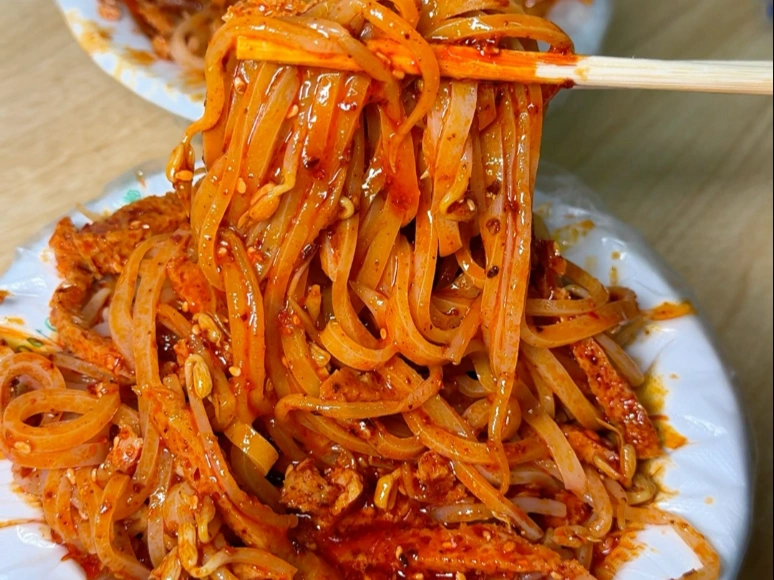
4. Liangpi (Cool Skin Noodles) — Sour and spicy, perfect for whetting the appetite, and one of the staples of the Sanqin Set Meal. Varieties include Qinzhen Rice Noodles, Sesame Paste Liangpi, and Rolled Noodles. Where to eat: Sheng Zhiwang Sesame Paste Liangpi (Dapi Yuan), Wei’s Liangpi.
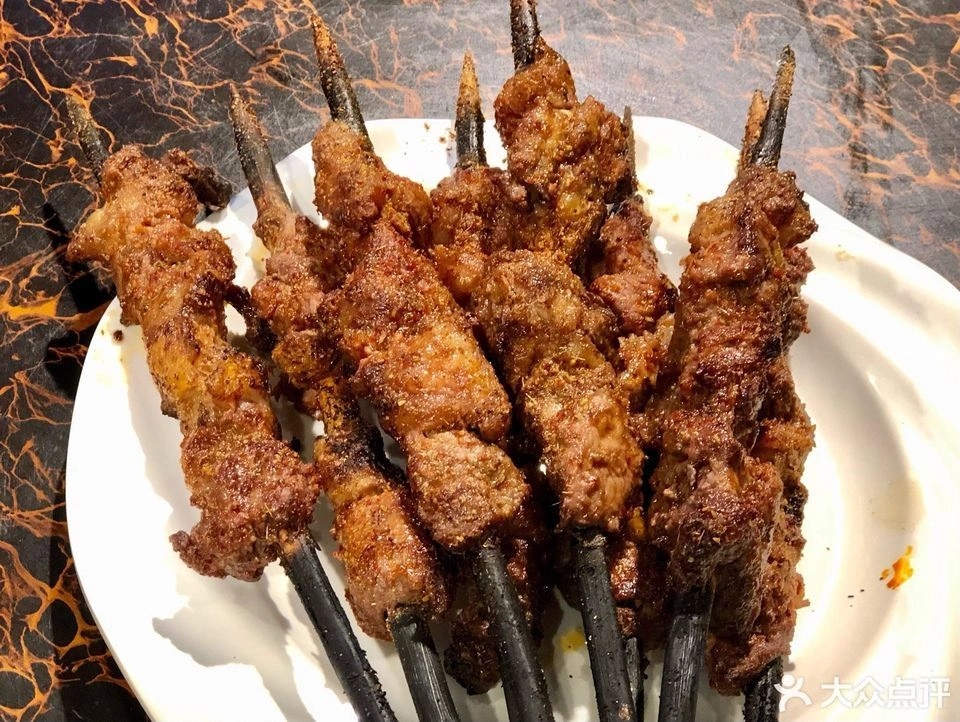
5. Red Willow Lamb Skewers (lamb skewers) — Freshly grilled with cumin and chili peppers, a staple of Hui Muslim neighborhood late-night snacks, costing just a few yuan per skewer.
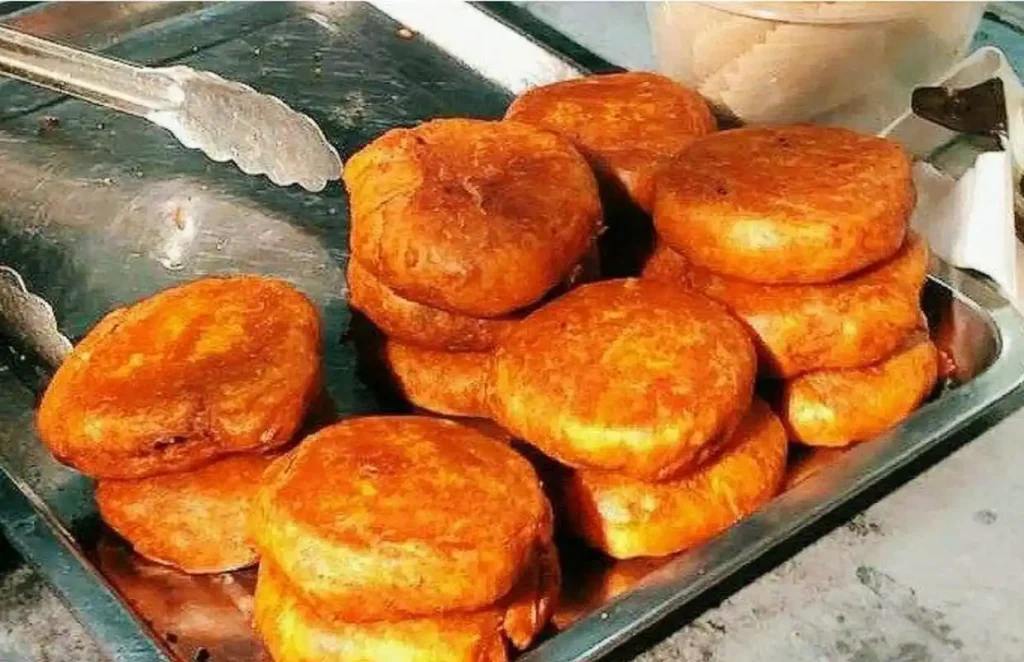
6. Persimmon Cakes — Fried until the center oozes, made from Lintong’s “Fire Crystal” persimmons; a fall and winter specialty, with Lao Jin’s being the most famous.
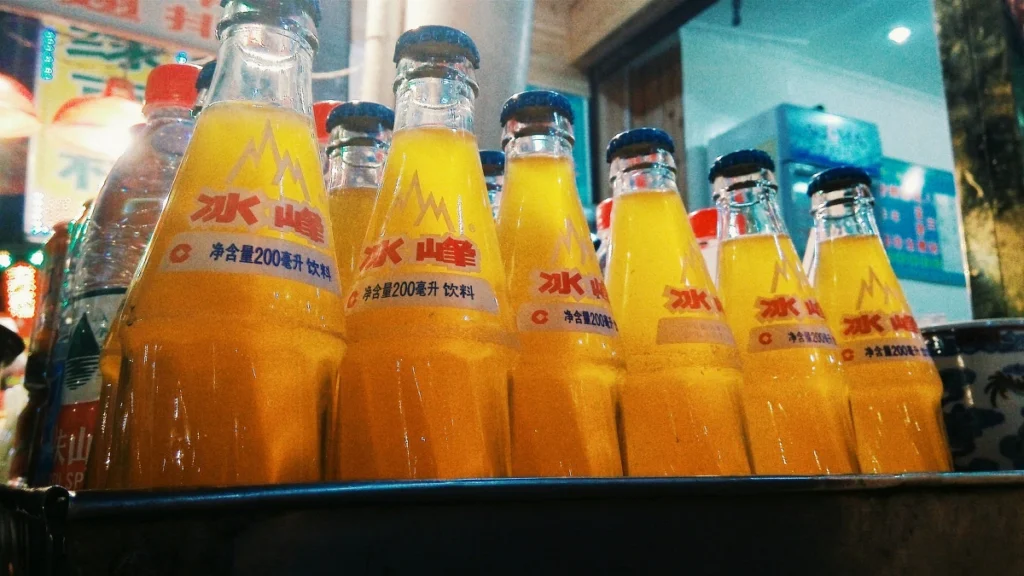
7. Bingfeng — A local Xi’an orange soda, one of the three items in the “Sanqin Set,” and a perfect pairing with roujiamo.
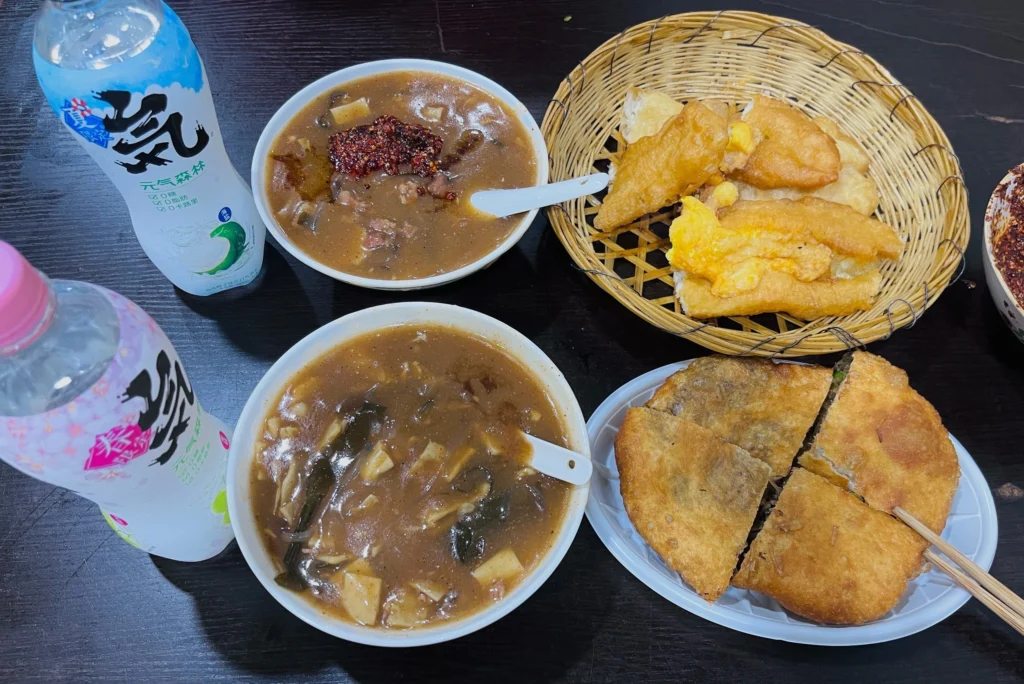
8. Meatball Hula Tang — Beef meatballs with pepper and vegetables; long lines form year-round at Li Weiyi and Liu Laohu on Sajin Bridge.
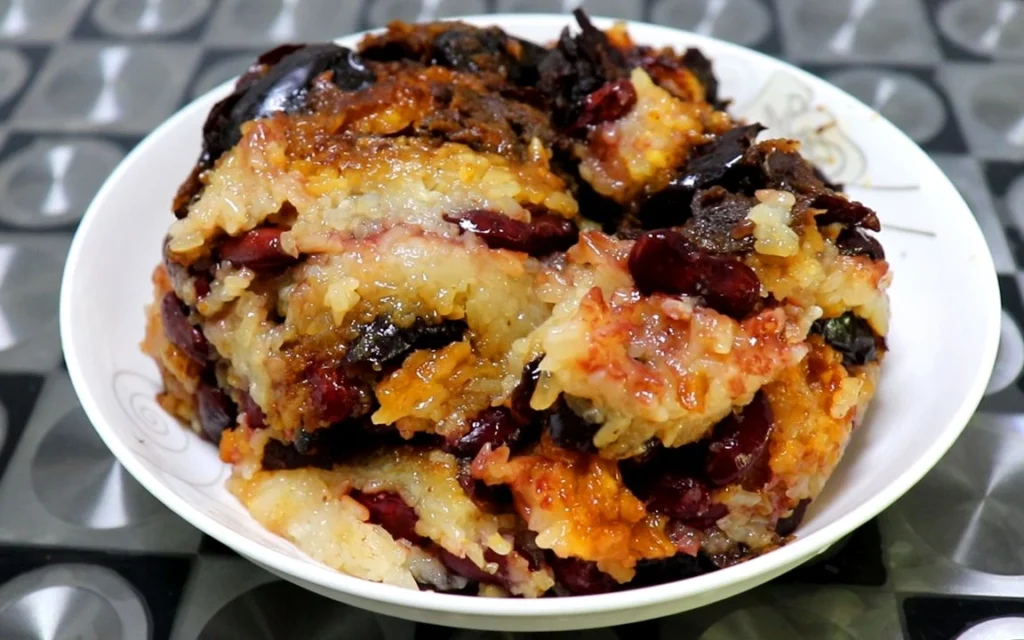
9. Jingao — Glutinous rice, red dates, and kidney beans; “Fat Man’s Jingao” on Sajin Bridge opens at 6 a.m.—it’s best when hot.
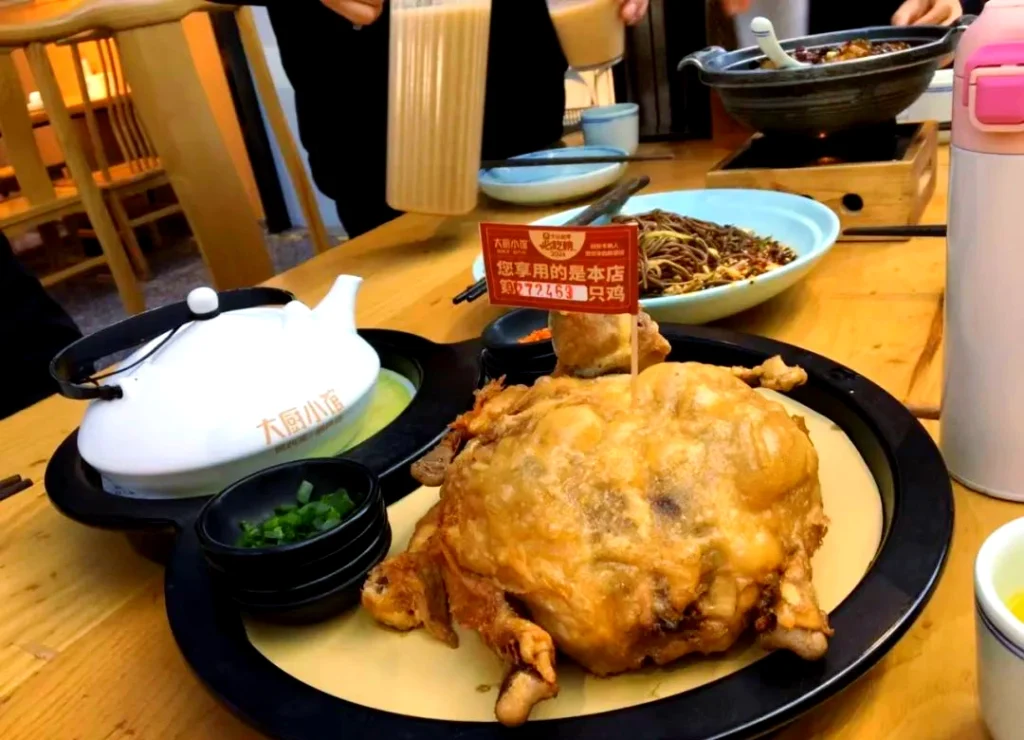
10. Gourd-Baked Chicken — The top dish in Shaanxi cuisine, crispy on the outside and tender on the inside. At Chang’an Grand Food Stall, it costs about 50 yuan per person, and you can catch a traditional cultural performance while you’re there.
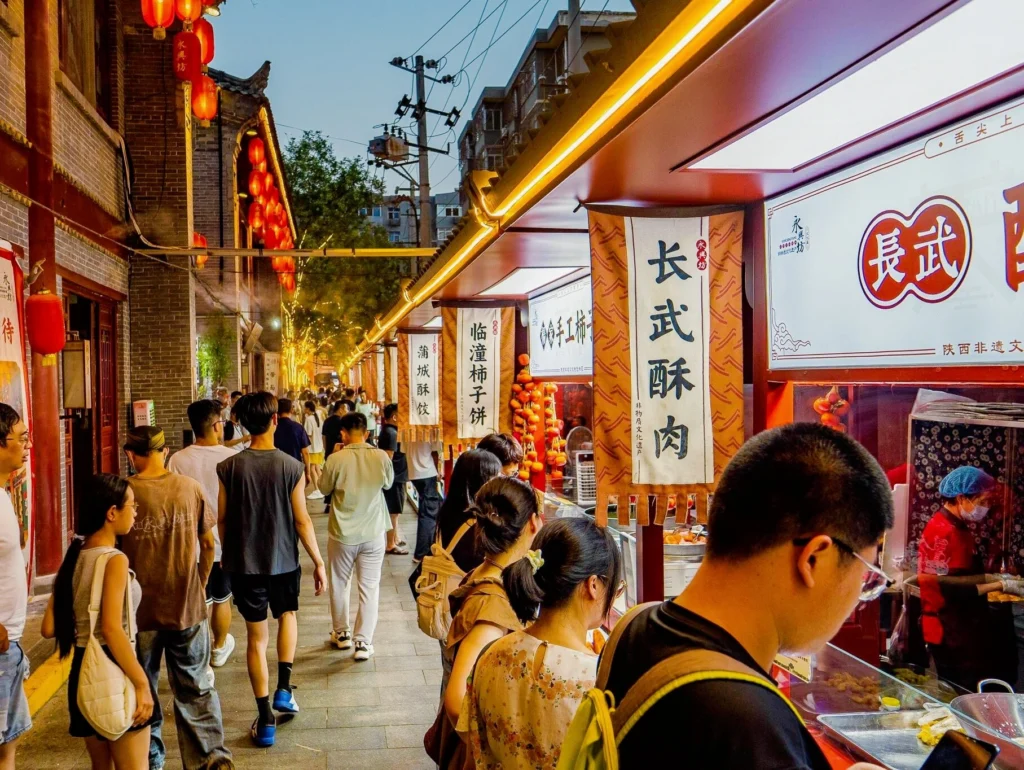
Don’t Just Crowd into the Muslim Street: 4 Alleys Known Only to Locals
When it comes to what to eat in Xi’an, the neighborhood matters more than the individual dish. The Muslim Quarter’s Beiyuanmen Main Street is the most famous, but it’s heavily commercialized and overpriced—the main street is basically a “tourist trap.” If you want to eat like a local, head into these 4 alleys:
Dapi Yuan / Xiyangshi: Deep within the Muslim Quarter, you’ll find Dingjia’s crispy pork, Sheng Zhiwang’s sesame sauce liangpi, and Liu Jixiao’s cured beef and mutton. This area is packed with time-honored establishments and feels far more authentic than the main street. Unlike the chain restaurants on the main street, here you can still catch the aroma of home-cooked meals wafting from the courtyards.
Sajinqiao: A hidden gem among locals, known for its lively food stalls. Highlights include Ma Er’s sour soup dumplings, Lao Jin’s egg-and-vegetable stuffed buns, Liu Xin’s soaked bread, and Li Wei’s meatball hot and spicy soup. The average cost per person is about 20 yuan, and there are almost no tourist traps. As an old Xi’an saying goes, “Hui Muslim Street is for outsiders; Sajinqiao is for locals.”
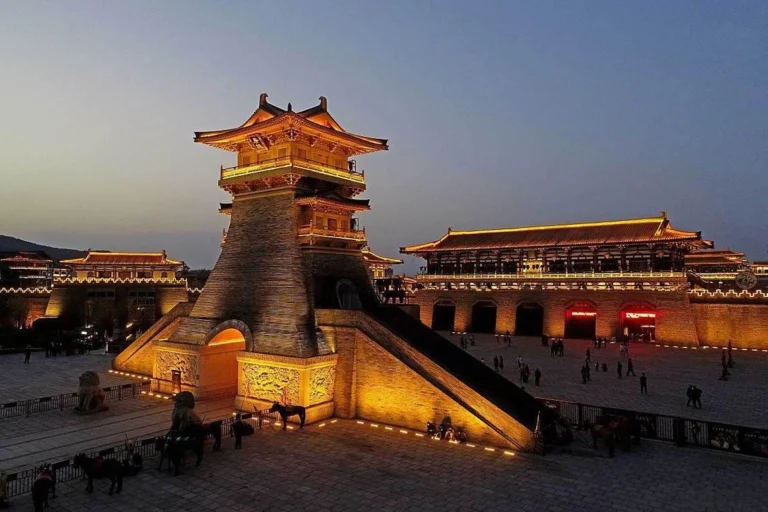
Yongxing Fang: A gathering of intangible cultural heritage snacks from Shaanxi’s 107 districts and counties, featuring Tongguan roujiamo, shuawan wine, and calligraphy-brush pastries. Originally the residence of Wei Zheng during the Tang Dynasty, it’s well-managed and perfect for photo ops. When the shadow puppet shows begin in the evening, the entire street comes alive with the spirit of old Shaanxi.
Xiaonanmen Morning Market: Open from 6:00–10:00 a.m., featuring oil tea with twisted dough sticks, roared beef roujiamo, and honey-glazed cold zongzi—this is the local breakfast that middle-aged men and women enjoy while running their grocery errands. Eating while it’s still hot before strolling over to the base of the city wall is the locals’ way of taking things slow.
Remember, the real charm of “what to eat in Xi’an” isn’t on the main streets, but in these alleys. If you’d like a more organized way to explore the alleys, try following this walking route that combines the city wall with the Hui Muslim Quarter’s alleyway food scene—I’ve included the full itinerary at the end of this post.
You Have to Get Hands-On to Eat Right: Breaking the Steamed
Bun, Ordering Slang, and a Guide to Avoiding Pitfalls
For many people, their “What to Eat in Xi’an” experience goes wrong because they “don’t know how to eat.” Master these a few simple steps, and you’ll instantly go from tourist to half-local:
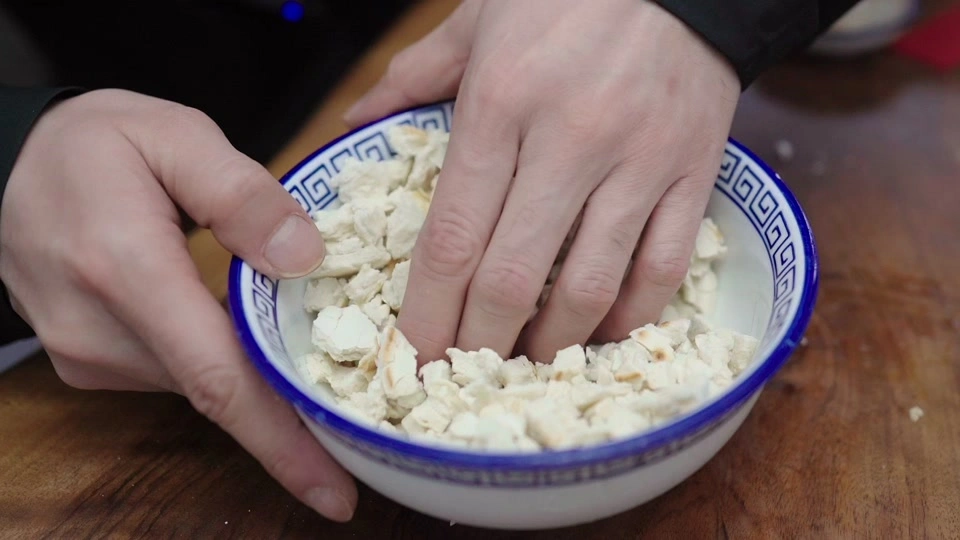
Yangrou Paomo (Breaking the Steamed Bun): Break the steamed bun into pieces the size of soybeans with your own hands—the smaller the pieces, the more flavorful they’ll be; After the kitchen adds broth, eat along the edge of the bowl—don’t stir—and pair it with sugar-pickled garlic. Ordering “kou tang” (clear broth) on your first try is your safest bet.
How to hold a roujiamo: Hold it horizontally and eat it while it’s hot. If it’s very juicy, don’t hold it vertically—it’ll drip all over your hand. Authentic versions don’t include green peppers or lettuce.
Mixing biang biang noodles: Once served, mix thoroughly before digging in. You can adjust the amount of chili to your liking.
How to Avoid Pitfalls on Hui Muslim Street: On the main street, just take photos—don’t buy anything; head into the side alleys (Dapi Yard, Sajin Bridge); shops with lines of locals are usually a safe bet; take a look around before buying; confirm the price; and eat freshly made, hot food.
Don’t be afraid of an awkward silence when ordering—the owner’s question, “Want some chili?” is a local code phrase. Once you’ve mastered these tips, you’ll have truly mastered the basics of “what to eat in Xi’an.”
Halal, Vegetarian, and Budget: Addressing All Concerns at Once
When discussing “what to eat in Xi’an,” special dietary needs are often the biggest concern for English-speaking tourists, so I’ll address this separately—it’s also the area where most English-language competitors provide the least coverage.
Halal: Almost every shop on Hui Muslim Street displays a green halal sign. Since these are family-run businesses by Hui Muslims, pork is naturally absent, so Muslim travelers can eat here with confidence. However, the “La Zhu Rou Jia Mo” (pork-stuffed flatbread) sold outside the Hui Muslim Quarter is made with pork, so avoid asking for “da rou” (pork) at halal restaurants.
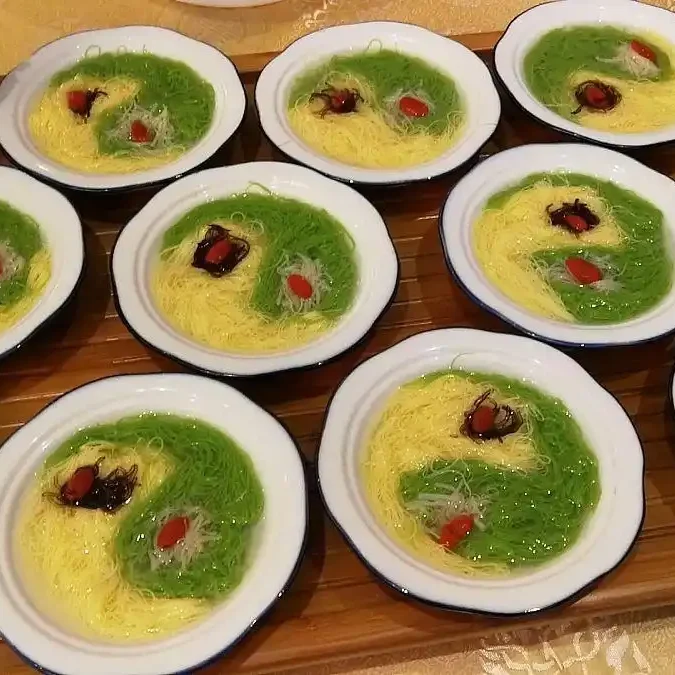
Vegetarian: There are plenty of options suitable for lacto-ovo vegetarians—Lao Jin’s Egg and Vegetable Roujiamo (salted egg yolk + braised beef + rose-flavored pickles, about 10 yuan), vegetarian roujiamo (tofu and mushroom filling, 8–12 yuan), liangpi (vegan-friendly; be mindful of the sesame paste and chili oil), and vegetable-based biang biang noodles (15–25 yuan). Vegan-friendly restaurants include the Da Ci’en Temple Vegetarian Hall (about 20 yuan) and Su Manxiang Buffet (about 20 yuan). Reminder: Some vegetarian dishes may contain lard or meat broth, so be sure to specify “strictly vegan” when ordering. If you’re unsure, look for restaurants with green signs—you can’t go wrong.
Budget (food cost): Individual street food items cost 8–15 yuan; a full meal at a time-honored restaurant averages 35–50 yuan per person; the Sanqin set meal fills you up for about 20–25 yuan; and a day of snacking and exploring averages about 80–120 yuan per person. Once you’ve clarified halal, vegetarian, and food costs, you’ll have nothing to worry about when it comes to what to eat in Xi’an.
A Day of Eating: A Route from the Morning Market to the Night Market
When I map out “what to eat in Xi’an” on a timeline, this is how I usually plan my day:
7:00 a.m. Xiaonanmen Morning Market / Sajinqiao: Start your local breakfast with “Fat Man’s Steamed Rice Cake,” meatball hu la tang, and a steamed bun stuffed with cured beef.
12:00 PM: Duanlumen / Bell Tower: A bowl of “three-in-one” biang biang noodles, or pop into Dapi Yard for some yangrou paomo.
3:00 PM: Yongxingfang: Tongguan roujiamo, shuaiwan wine, and calligraphy-brush pastries, while catching a shadow puppet show and Qinqiang opera.
7:00 PM Hui Quarter Night Market (Muslim Quarter): Grilled red willow meat, milk-and-egg rice wine, and Grandma Hua’s sour plum soup—wrap up the day amidst the bustling atmosphere.
Tip: Don’t try to do too much—stick to one dish per stop and save room so you can make it through the whole route. Follow this itinerary, and you’ll experience the best of Xi’an’s cuisine in just one day.