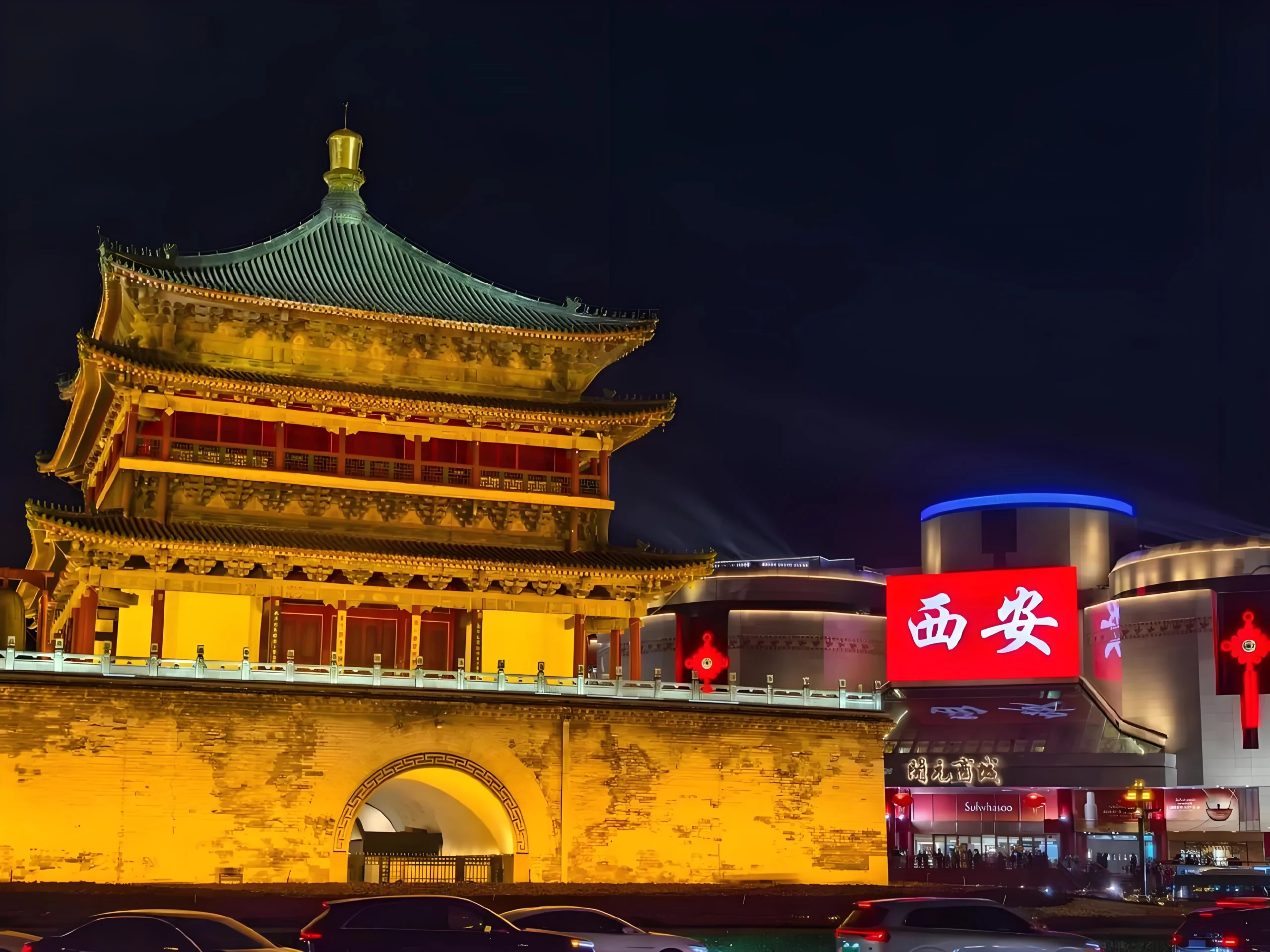
2026 Travel in Xi’an : 3-Day Itinerary & Insider Tips
If you’re planning to “travel in xi’an“, this updated 2026 guide has everything you need: how to plan a 3-day itinerary, how to buy tickets for the Terracotta Army, a complete guide to cycling along the Xi’an City Wall, what to eat on Muslim Quarter Street to avoid disappointments, and practical tips for first-time visitors to Xi’an.

Why You Must Visit Xi’an in 2026 ?
Xi’an isn’t the kind of city where “once is enough.”
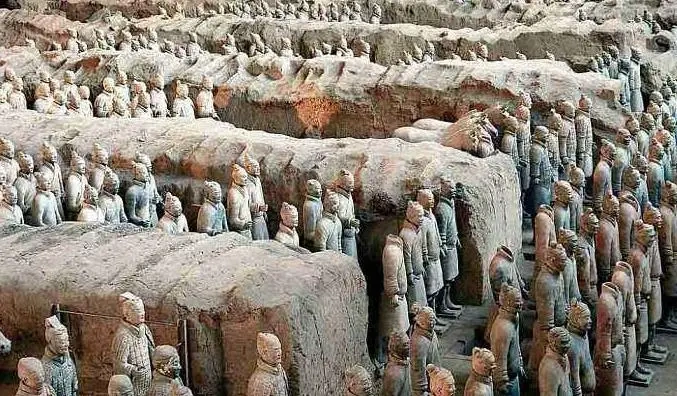
It’s the ancient capital of thirteen dynasties, the starting point of the Silk Road, and home to the world’s best-preserved ancient city walls. You’ve probably read in your history books that the Terracotta Army was discovered in 1974 by a group of farmers digging a well—but only when you stand in front of Pit No. 1 will you truly understand what it means to be called the “Eighth Wonder of the World.”
What’s even more amazing is that this city manages to coexist 1,400-year-old city walls with Metro Line 2. You can bike along the Ming Dynasty city walls in the morning, scan a QR code with Alipay for a bowl of biangbiang noodles at noon, and watch the “Unbreakable Doll” performers at the Tang Dynasty Everbright City at night—this sense of temporal dissonance is something no other city in China can offer.
If you ask me what the most essential experience of travel in Xi’an is, I’d say it’s this: as you cycle along the city walls, with 600-year-old blue bricks on your left and skyscrapers of 2026 on your right—a scene you won’t find in Beijing or Luoyang.

If you’re planning travel in Xi’an in 2026, which months are the most pleasant?
To cut to the chase: April and October.
Here’s a tip only locals know: If you want to travel in Xi’an in January and happen to catch a snowfall, you’ll get a once-in-a-lifetime chance to see the Terracotta Army covered in snow. Plus, with only 30% of the usual peak-season tourist traffic in January, you can stand quietly for ten minutes at Pit No. 1 of the Terracotta Army without being jostled by the crowds.
What’s the best way to spend three days and two nights in Xi’an?
Travel in Xi’an, the first day should definitely be spent exploring the city center—the City Wall, the Bell and Drum Towers, Muslim Quarter, and the Big Wild Goose Pagoda. You can easily cover all four of these attractions in a single day, as they are all located close to one another.
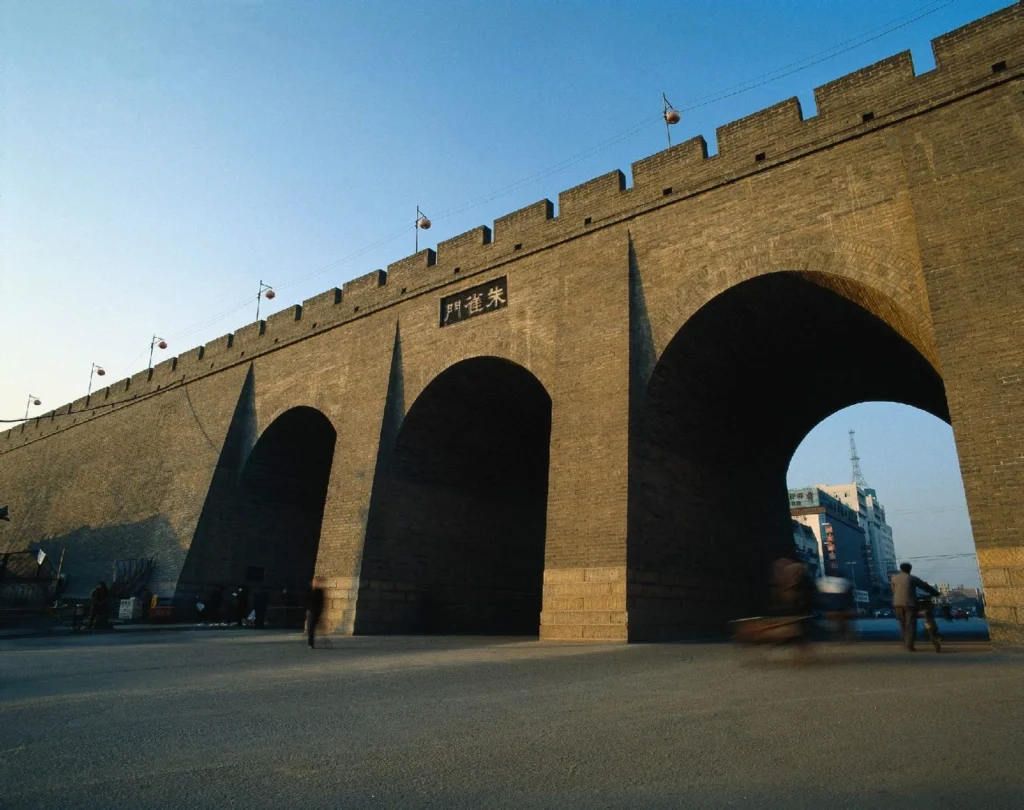
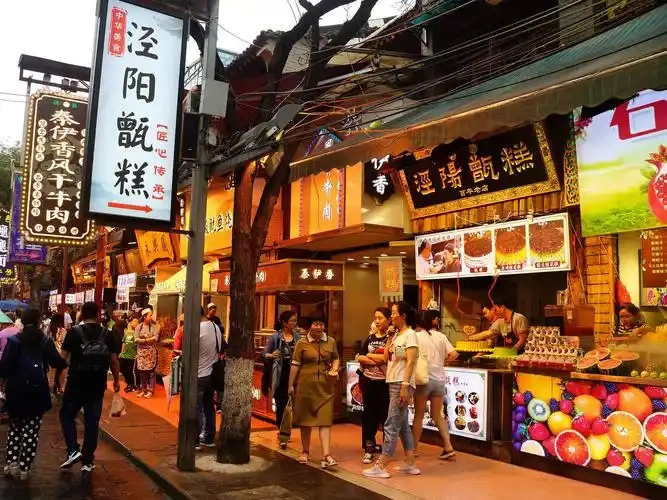
Day 1 Travel In Xi’an: City Wall + Xian Muslim Street
Sleep in this morning, then head to Yongning Gate (South Gate) around 10:00 a.m. to climb the city wall.
The Xi’an City Wall is the most intact ancient city wall in China, with a circumference of 13.74 kilometers. You can walk, but I highly recommend renting a bike to cycle the entire circuit—something you simply can’t do in other Chinese cities. Rental stations are located at the South, East, West, and North Gates. A single bike costs 45 yuan for three hours, with a 200-yuan deposit. The full circuit takes about one and a half to two hours, and you can stop at any gate along the way to take photos or buy water.
After coming down from the city walls at noon, I walked straight to Xi’an Muslim Street.
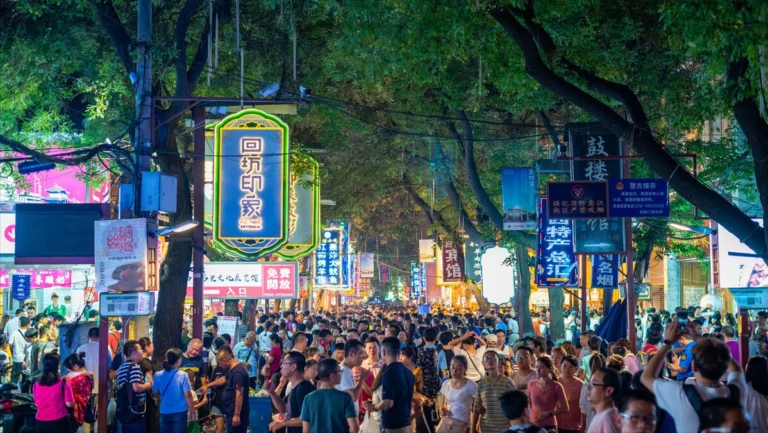
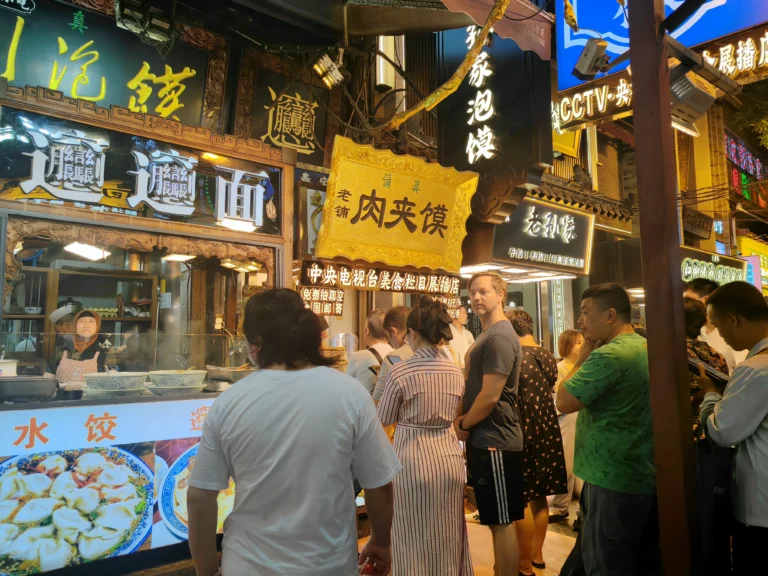
Xi’an Muslim Street isn’t just a single street; it’s an entire district. The main street (Beiyuanmen) is a bit overrun with tourists, but it’s still worth a visit if it’s your first time here. The truly delicious food is found on the side streets—Dapiyuan, Sajinqiao, and Xiyangshi. I’ll go into more detail in the food section later.
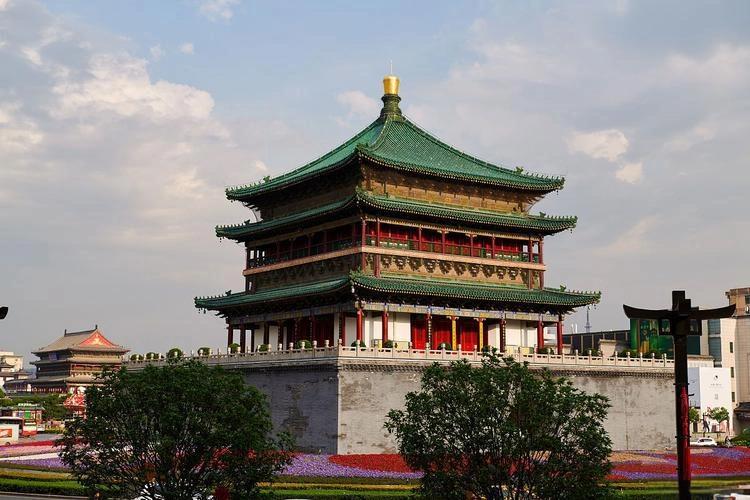
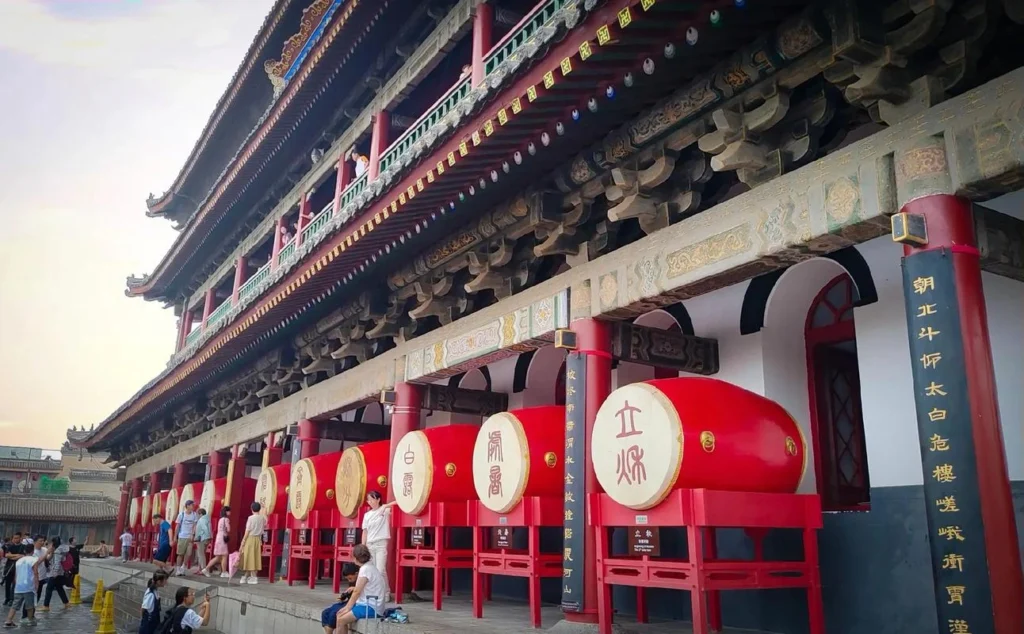
In the afternoon, head to the Bell and Drum Towers. The Bell Tower is right in the heart of Xi’an; buy a ticket to go up and see how the four main streets radiate out from the center in all four directions. The entrance to Xi’an Muslim Street is right next to the Drum Tower, so you won’t have to take a detour.
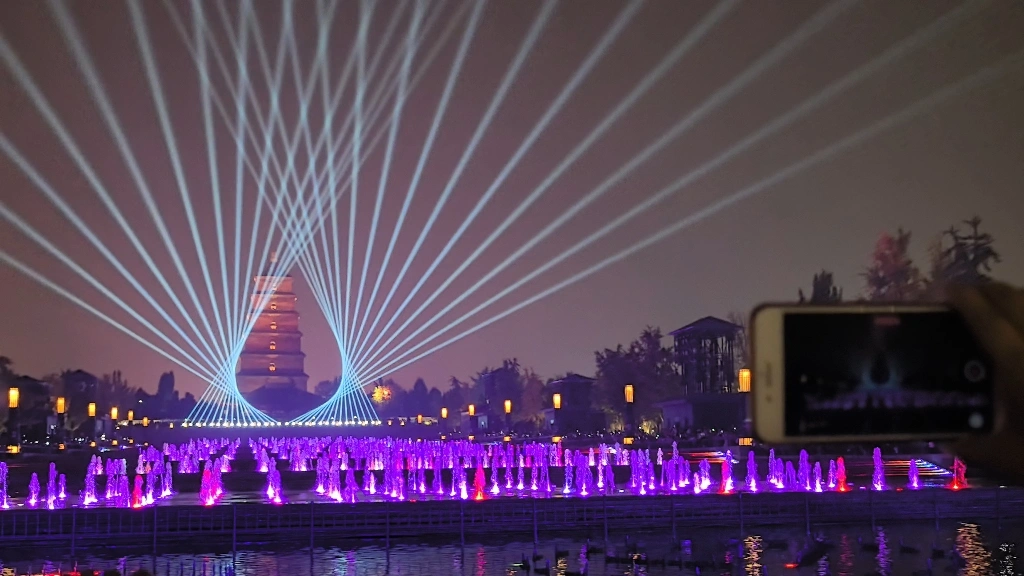
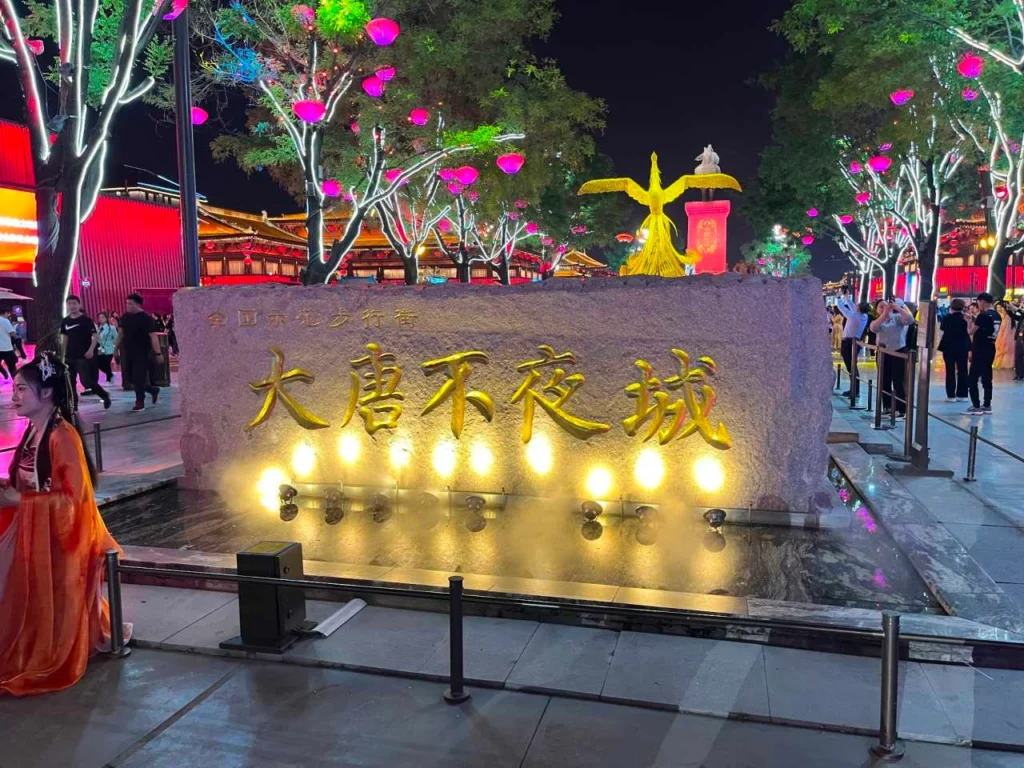
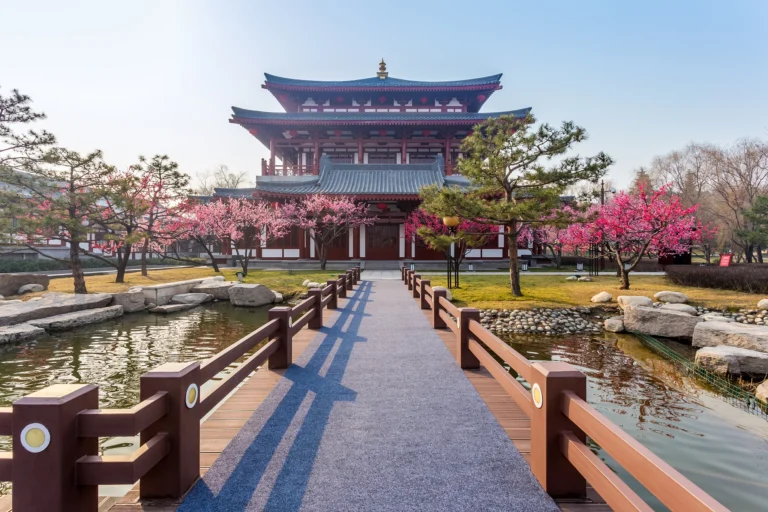
The Big Wild Goose Pagoda Square in the evening; the musical fountain show starts at 7:00 PM (usually at 12:00, 16:00, 19:00, and 21:00, with each show lasting ten minutes). Don’t leave after the fountain show—just walk south from the North Square to reach Tang Dynasty City That Never Sleeps. This pedestrian street is a must-see; when the lights come on at night, you’ll feel as if you’ve traveled back in time to the Tang Dynasty. The Tumbling Doll show and the “Secret Box of the High Tang” interactive performance are both held here—they’re free and don’t require tickets.
Day 2 Travel In Xi’an: Terracotta Army + Huaqing Palace (East Route Day Trip)
You’ll need to get up early for this day. Seriously.
The Terracotta Army is in Lintong District, about an hour’s drive from the city center. You can take Metro Line 2 to Beidajie Station, transfer to Line 1, then switch to Line 9 at Textile City Station, get off at Huaqingchi Station, and take a bus from there—but I highly recommend booking a day tour or hiring a private guide through Ctrip to save yourself the hassle.
When it comes to travel in Xi’an, the Terracotta Army is the number one “must-see” attraction. But let me warn you: walking into the site and simply looking at a bunch of clay figures is a completely different experience from having a guide tell you, “The name of the craftsman is still engraved on the sole of the third figure in this row.” So hire a guide—it costs 200–300 yuan, but it’s absolutely worth it.
The ticket you bought covers more than just the Terracotta Army—it also includes the Qin Shi Huang Mausoleum Archaeological Park (Lishan Park). There’s a free shuttle bus between the two sites. Don’t miss Lishan Park; it’s less crowded, and the Bronze Chariot and Horse Exhibition Hall is located there—it’s truly breathtaking.
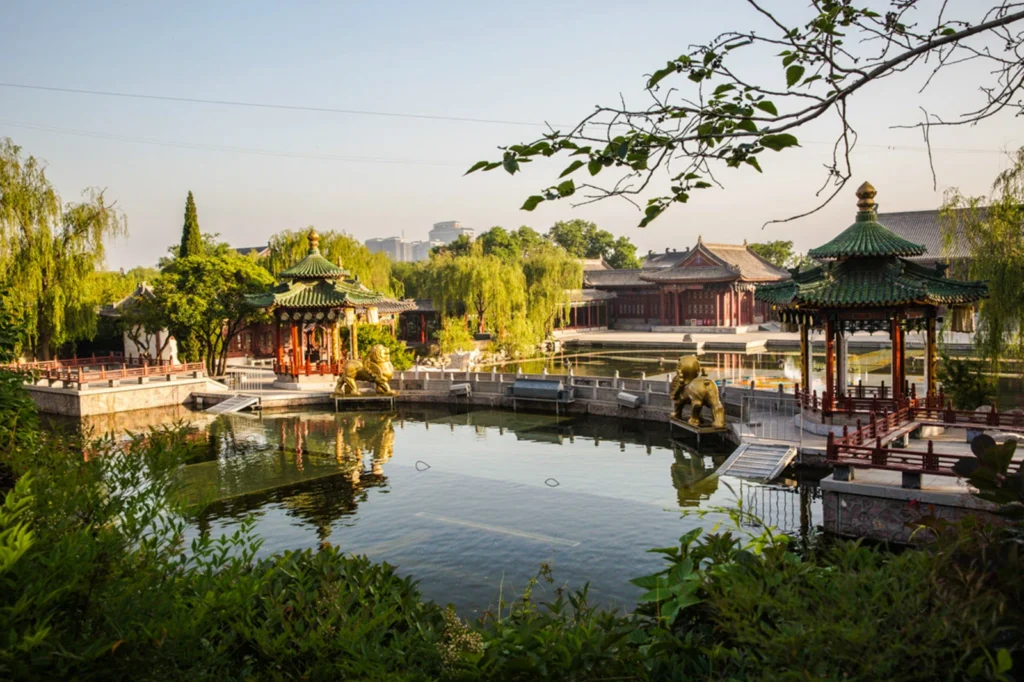
In the afternoon, head to Huaqing Palace. This was an imperial hot spring retreat during the Tang Dynasty, and it’s where the story of Emperor Xuanzong and Yang Guifei unfolded. Huaqing Palace itself isn’t very large—you can explore it in about an hour—but if you have time, I highly recommend seeing the live-action performance The Song of Everlasting Sorrow in the evening. Set against the backdrop of Mount Li and using the hot spring pools of Huaqing Palace as a stage, the show tells the story of Emperor Xuanzong and Yang Guifei. Tickets start at 238 yuan; be sure to purchase them in advance via WeChat.
Day 3 Travel In Xi’an: Three Itineraries—Pick One
How you spend your third day in Xi’an depends on what interests you most.
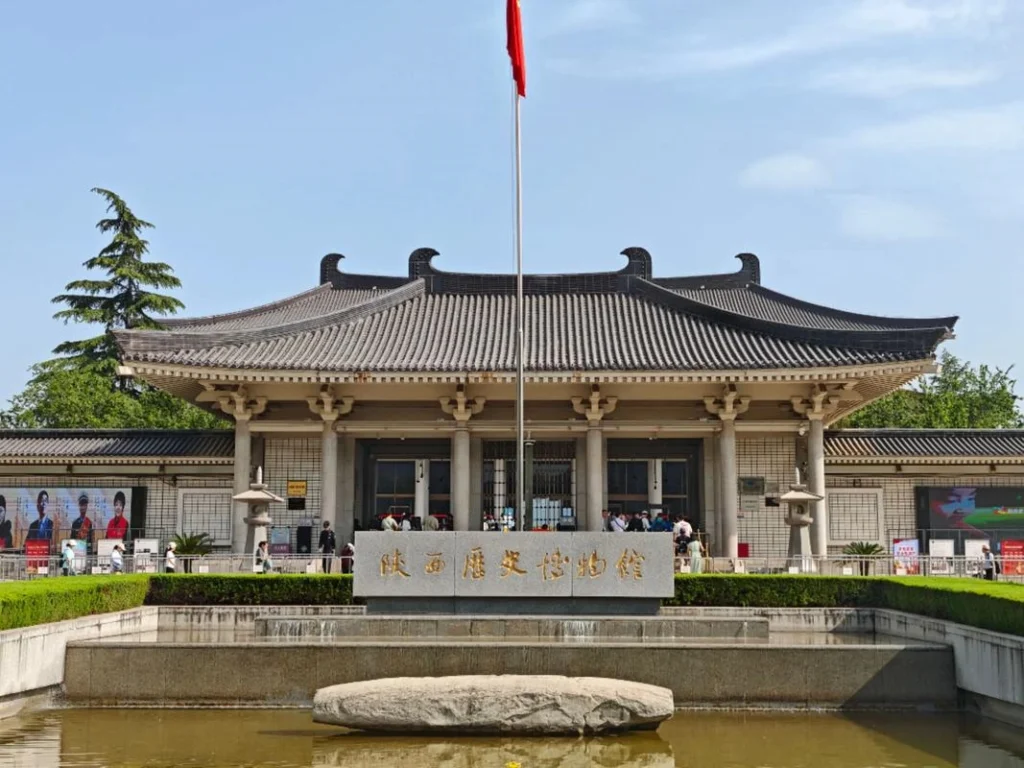
Route A (For History and Museum Enthusiasts): Visit the Shaanxi History Museum in the morning. Admission is free, but you must book your tickets at least three days in advance. The ticket release schedule is a bit unpredictable—tickets are released at exactly 10:00, 11:00, 18:00, and 19:00 every day, and they often sell out instantly. If you can’t secure a reservation, there’s a paid “Treasures of the Tang Dynasty” special exhibition on-site. It costs 30 yuan and requires no reservation—you can walk right in.
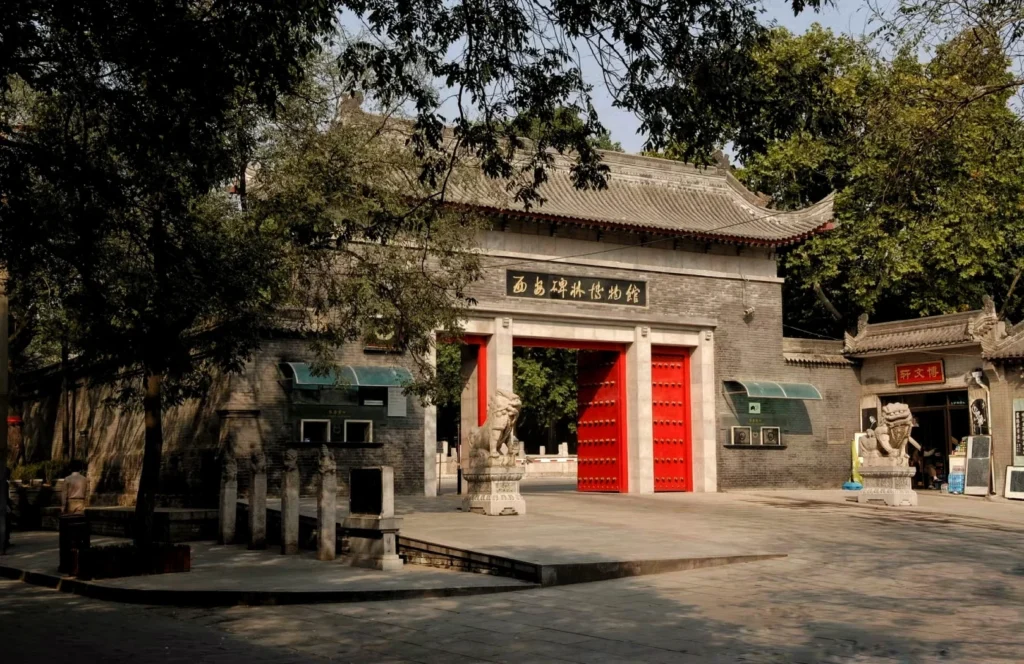
In the afternoon, head to the Stele Forest Museum. This is a mecca for Chinese calligraphy enthusiasts, featuring steles dating from the Han Dynasty to the Qing Dynasty. If calligraphy isn’t your thing, you can swap this for the Small Wild Goose Pagoda—it’s less crowded, quiet, and perfect for daydreaming.
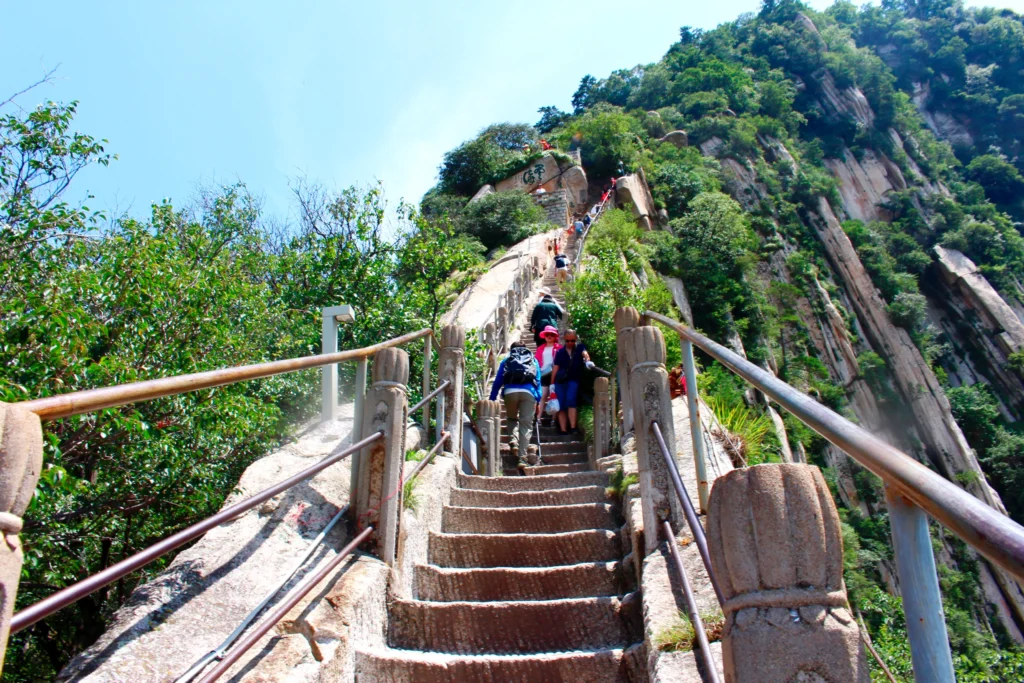
Route B (Hiking Enthusiasts): Mount Hua. One of China’s Five Great Mountains, it’s renowned for its “dangerous” terrain. It’s just a 30-minute high-speed rail ride from Xi’an North Station. From Mount Hua North Station, take the scenic area bus to the visitor center. I recommend taking the cable car up—the West Peak cable car ride is the most thrilling. But if you’re afraid of heights, just a heads-up: I’m not responsible.
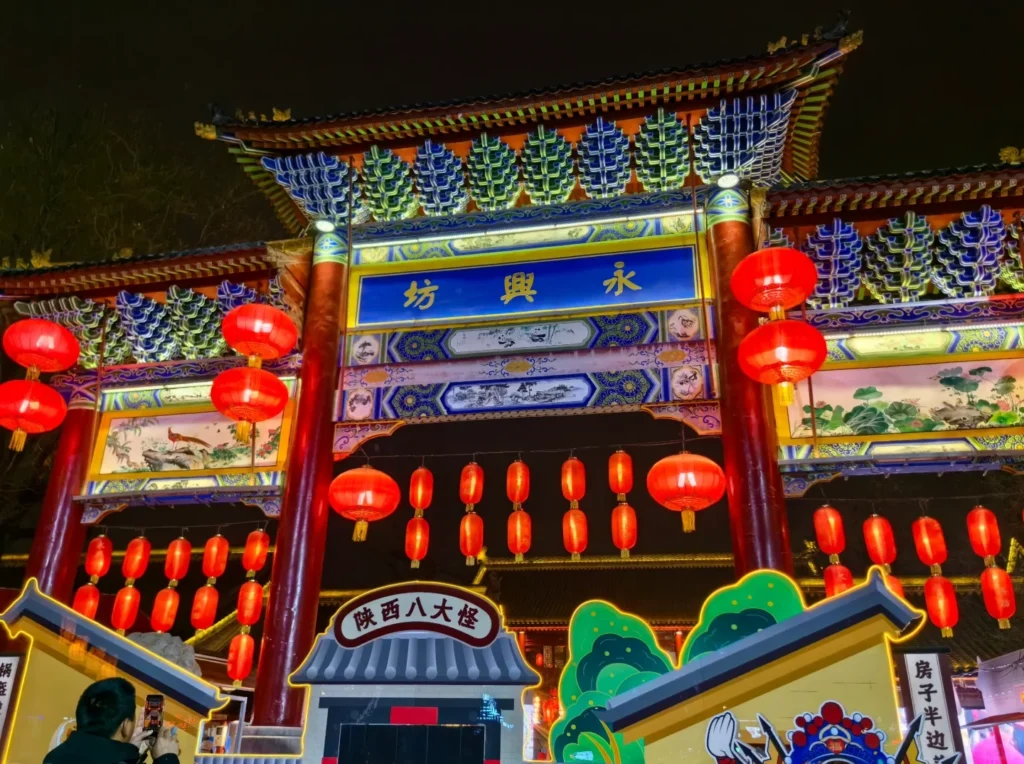
Route C (Shopping and Food Lovers): Head to Yongxingfang for breakfast in the morning. This place is cleaner than Hui Muslim Street, and you’ll find specialty snacks from all 107 districts and counties of Shaanxi here, plus the prices are more reasonable than on Hui Muslim Street. After breakfast, stroll through Shuyuanmen, an old street lined with shops selling the Four Treasures of the Study, where you can pick up some souvenirs while you’re at it.

What to Eat on Hui Muslim Street? Just Follow This List
I’ve categorized the street food on Hui Muslim Street into two categories: “Must-Try” and “Worth a Try.”
Must-Try:
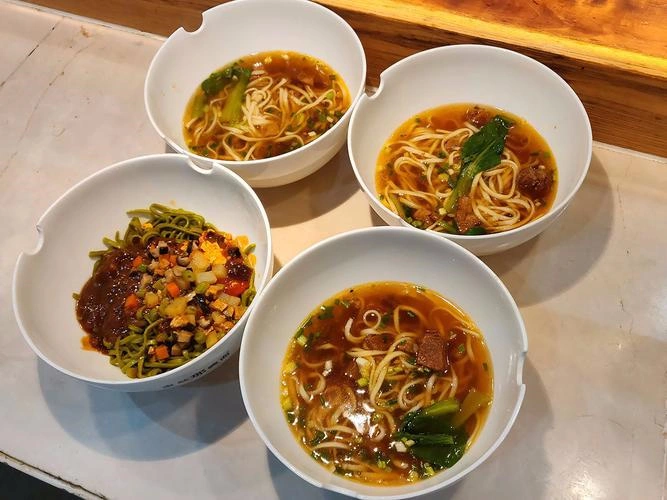
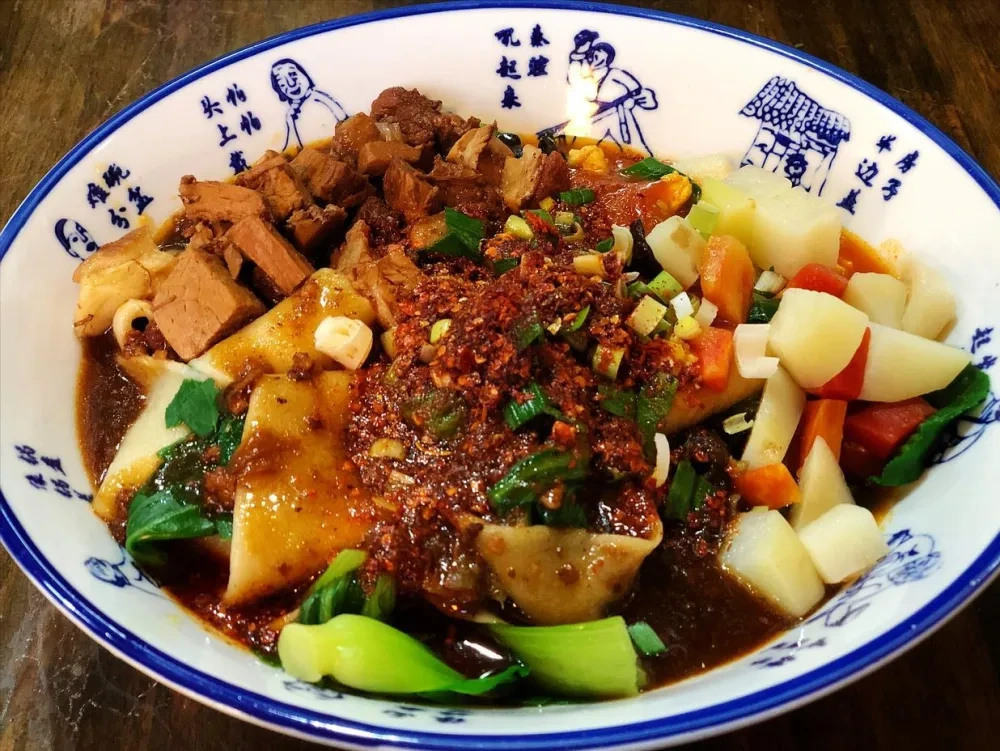
Yangrou Paomo (Lamb Stew with Bread). It’s the lifeblood of Xi’an locals. Once you enter the restaurant, the server will give you two pieces of bread, which you break apart yourself—into pieces the size of soybeans. This is called “silkworm-style eating.” The finer you break it, the better the soup soaks in. The soup is simmered from beef bones for over ten hours—milky white with a layer of clear fat floating on top. Hand the broken bread to the chef, who’ll pour the soup over it, served with pickled garlic and chili sauce. Tong Shengxiang and Lao Mi Jia are two time-honored establishments, but expect lines stretching out the door during mealtimes—be prepared.
Roujiamo. A Bai Ji bun, baked until crispy on the outside and soft on the inside, is sliced open and stuffed with shredded braised pork. Lao Sun Jia and Lao Ma Jia are both good options, but don’t buy them on the main street of Hui Muslim Street—head further in, and the shops in Dapi Yard offer better value.
Jia San Soup Dumplings. The wrappers are so thin you can see the broth inside. When you bite into one, first make a small hole in the corner to suck out the broth, then dip it in vinegar and chili sauce before eating. Jia San has its flagship store on Hui Muslim Street; founded in 1884, this craft was listed as a National Intangible Cultural Heritage in 2021.
Things to try:
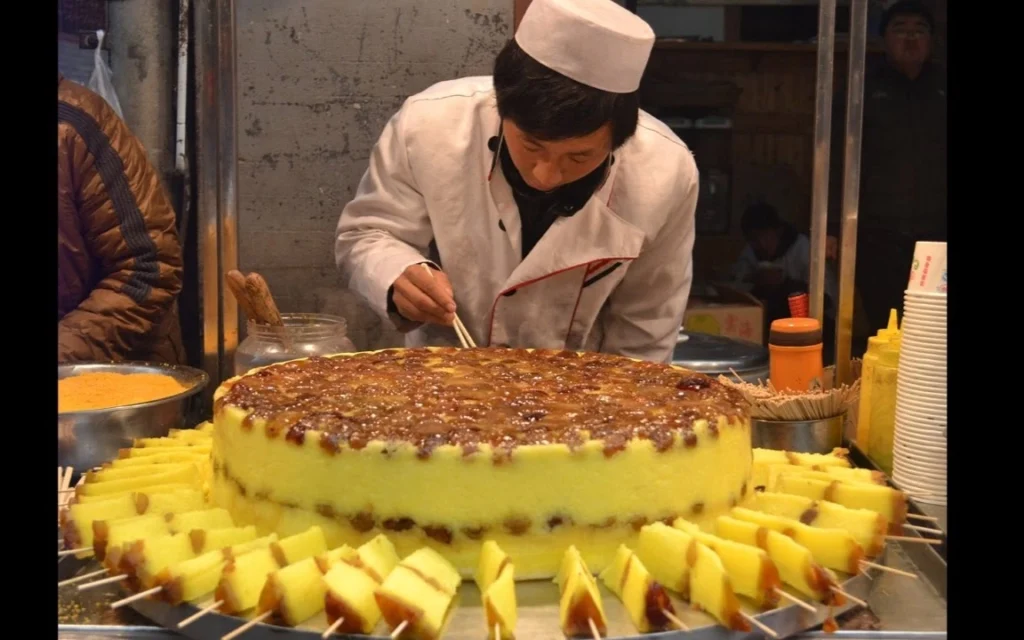
Zeng Gao (a sweet steamed cake made with glutinous rice and red dates), Sesame Paste Liangpi (cold noodles tossed in sesame paste—refreshing in summer), Persimmon Cakes (made with Lintong persimmons, featuring a sweet filling), and Sour Plum Soup (sold everywhere on Hui Muslim Street—great for cutting through the richness).
Sajin Bridge is better than the main street of Hui Muslim Street. Let me say that again. Sajin Bridge is where the locals go; people are already there eating breakfast at six or seven in the morning—if you can get up early and go to Sajin Bridge for a bowl of meatball hot and sour soup, you’ll understand Xi’an locals.

Transportation and Payment in Xi’an (Updated 2026)
Once you’ve got transportation sorted, you’re halfway to a successful travel in Xi’an.
Subway: Xi’an currently has eight subway lines covering 95% of the city’s major attractions. Search for “Xi’an Metro” on Alipay to get an electronic ride code, which allows you to scan and enter the station directly without buying a ticket.
From the Airport to Downtown: From Xi’an Xianyang International Airport, take Metro Line 14 directly to downtown (transfer to Line 2 or Line 4). The fare is 16 yuan, and the journey takes about an hour. If you have a lot of luggage, the airport shuttle bus costs 25–30 yuan, or a Didi ride is approximately 100–150 yuan.
Payment: When visiting Xi’an in 2026, foreigners can link foreign credit cards (Visa or Mastercard) to Alipay. WeChat Pay also supports registration with a passport. If you don’t have a Chinese bank card, 12 international e-wallets (including PayMe, MPay, etc.) can directly scan Alipay QR codes to pay. This feature was only launched in 2024 and is a major convenience for foreign tourists.
One last thing:
Xi’an isn’t a “refined” tourist city. It’s rough around the edges, it’s noisy, its subways are packed, and its summers can make you cry from the heat.
But atop its city walls, it offers you 1,400 years of unbroken history; in the alleys of Hui Muslim Street, it serves you a bowl of beef bone soup simmered for twelve hours; and amidst the sea of lights at Tang Dynasty Everbright City, it gives you the illusion that “this is the Golden Age of the Tang Dynasty”—these are things you’ll never experience unless you go to Xi’an.
In 2026, travel in Xi’an is more convenient and welcoming than ever. The city walls have been restored, the subway now connects to the airport, Alipay supports foreign credit cards, and even the Shaanxi History Museum has more English signage than before.
So don’t wait. Book a flight and spend three days in Xi’an. You’ll thank yourself for it.