The Ultimate Guide to Halal Xi’an Foods: Eat Like a Local
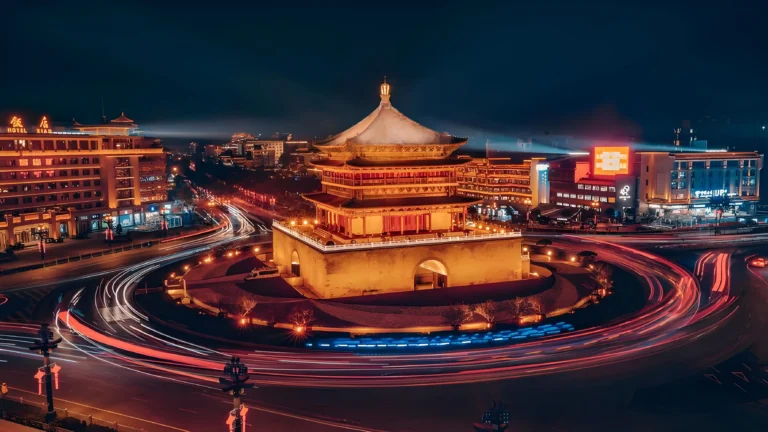
The first time I ducked into the smoke-filled alley behind the Drum Tower, a wave of cumin and lamb fat hit me in the face, and I finally understood why halal xi’an foods is more than a search term—it is a thousand-year-old everyday ritual in this city. If you are planning a trip to Xi’an and want to eat your way through the Muslim Quarter without falling into the tourist traps, this halal food xi’an travel guide is written for you. Follow it and you will taste halal xi’an foods the way a local does. Travelers often message me first to ask, is xi’an muslim friendly—the answer is in the next section.
A Bowl With 1,300 Years of History
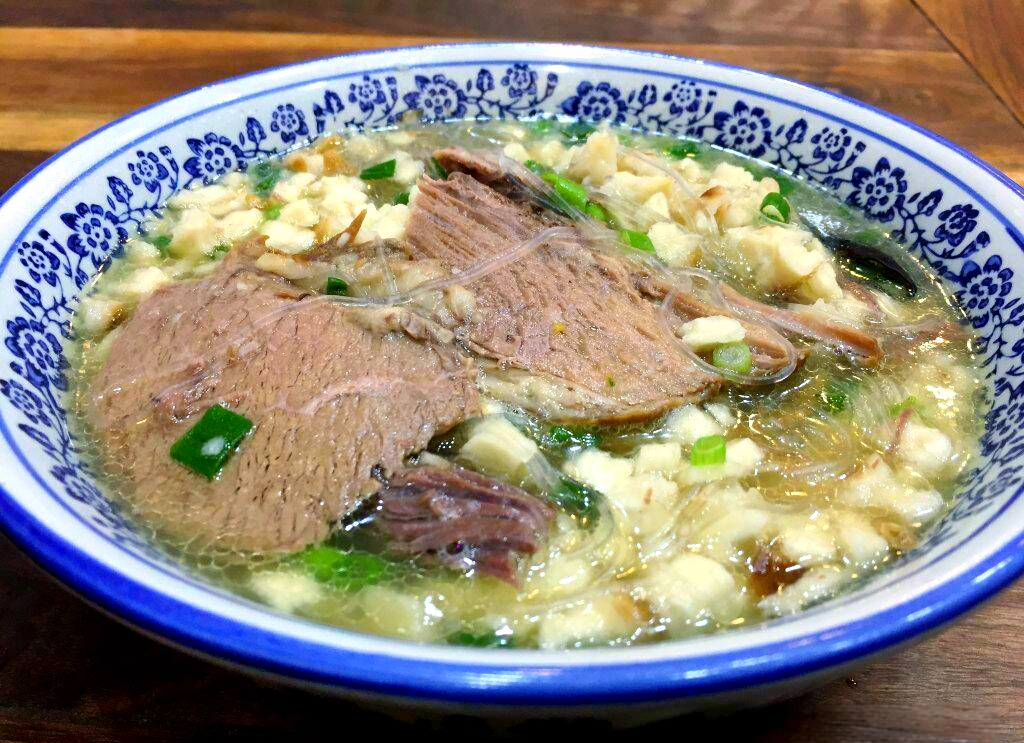
If there is one dish that defines halal xi’an foods, it is yangrou paomo—broken flatbread simmered in lamb broth. Many travel blogs mention it in one breath as “from the Silk Road,” but locals know the story runs deeper. The Northern Song poet Su Shi wrote “Qin cooks nothing better than lamb broth,” and Xi’an’s paomo tradition really did travel east with the Silk Road caravans, carrying mutton and flatbread into one bowl. A proper bowl today still takes four to five hours of stock; the heritage brand Tongshengxiang, a designated intangible cultural treasure, sweats the fire until the broth is right, and the way you break the bread decides the style—ganba, koutang, or shuiweicheng. My advice for a first-timer: tear the bread into pea-sized pieces yourself. The cook only rewards you with that dense, fragrant bowl if you do. In summer, when the broth feels heavy, swap it for shuipen yangrou—clear soup with a crescent bun—another clean, refreshing halal option.
Meet the Fangshang: Xi’an’s Hui Neighborhood
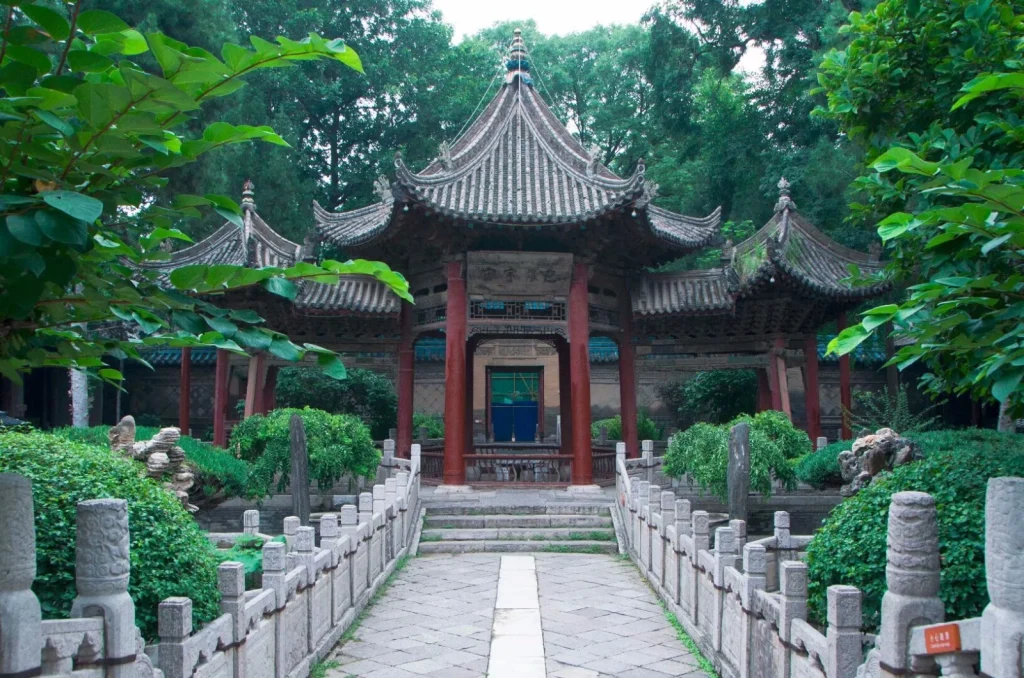
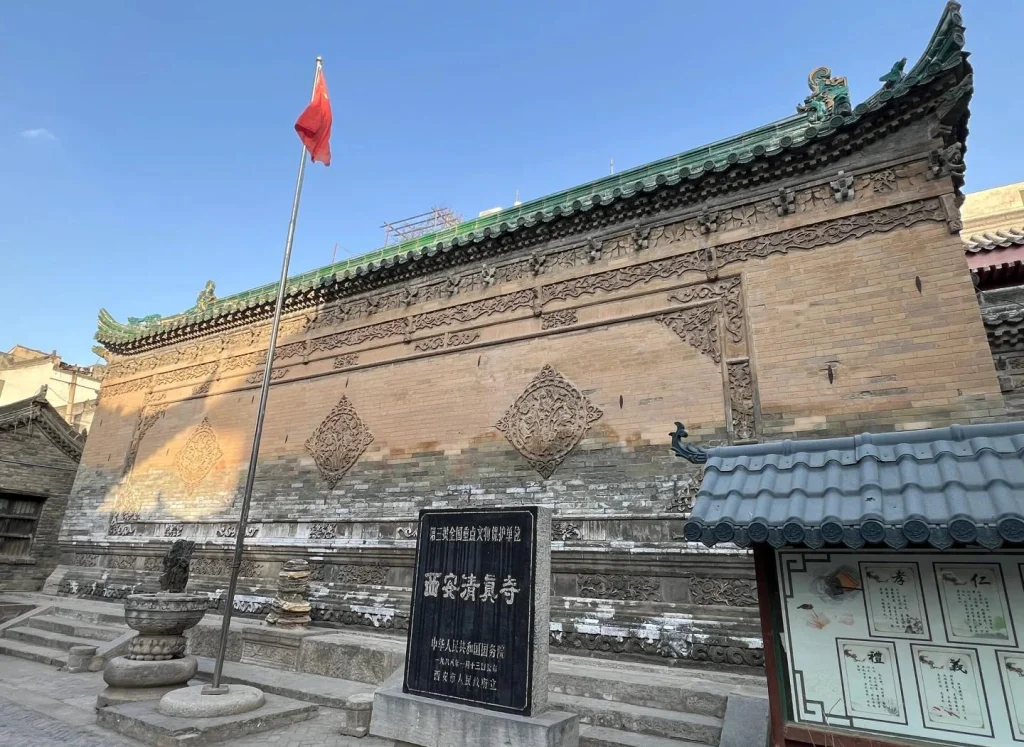
People often ask me, is xi’an muslim friendly? My honest answer: it is not just friendly, it is home. Xi’an’s Muslim district is called the “Fangshang,” built on the old saying “seven mosques, thirteen lanes”—seven mosques threading thirteen alleys where the Hui people have lived around their houses of worship for generations. That “sacred space plus living quarter” layout is the root of halal xi’an foods: the mosque is not only a place to pray, it is the source of the food-purity rules. Step into the Great Mosque on Huajue Lane and you will see Islamic motifs tucked inside a Chinese courtyard—proof of how Chang’an absorbed a thousand years of Silk Road civilization. For a Muslim traveler, it means you eat inside a familiar, reassuring community rather than settling for a tourist trap. That is why this halal food xi’an travel guide spends less time on 网红 shops and more on the neighborhood logic of the xi’an muslim quarter food guide—once you get it, you trust the food here enough to bring your whole family. It is also why several best halal restaurants xi’an guides start their lists right in this neighborhood.
How to Spot a Real Halal Kitchen?
The one thing halal xi’an foods fears most is a fake “halal” sign. Tell China’s halal markers apart from universal Islamic ones: the real Chinese hallmark is the green “清真” (qingzhen) plaque issued by the local Ethnic and Religious Affairs Committee at the door—”qingzhen” is itself a Chinese word (Ming–Qing scholars rendered Islam as “清静无染,” pure and undefiled), and many provincial “Halal Food Regulations” actually require halal vendors to hang that committee-issued plaque, a legally backed marker unique to China. The Arabic word “حلال” (halal) and the crescent symbol, by contrast, are universal Islamic signs used from Turkey to Indonesia—handy as secondary cues, but not a Chinese specialty. The safest bet is precisely that government-issued plaque; note, though, that China’s halal certification is set at the provincial level and varies by region—some issue a “permit + plaque,” others only file a record—so what locals actually trust is the committee’s plaque, not a single national certificate. Xi’an’s halal kitchens fall into three trusted types—local Hui restaurants, Xinjiang joints, and Lanzhou hand-pulled noodle shops. If a street leaves you unsure, a Lanzhou lamian spot is the universal fallback. One Chinese phrase gets you far: ask the server “zhe ge qing zhen ma?” (is this halal?). They understand instantly. Keep these tricks and you can order with confidence in any alley, never worrying about forbidden ingredients. By the way, Hui places lean on lamb and paomo, Xinjiang spots grill harder with laghman noodles, and Lanzhou lamian wins on being everywhere and cheap—all three are safe; pick by appetite.
Beyond the Main Drag: Where Locals Actually Eat
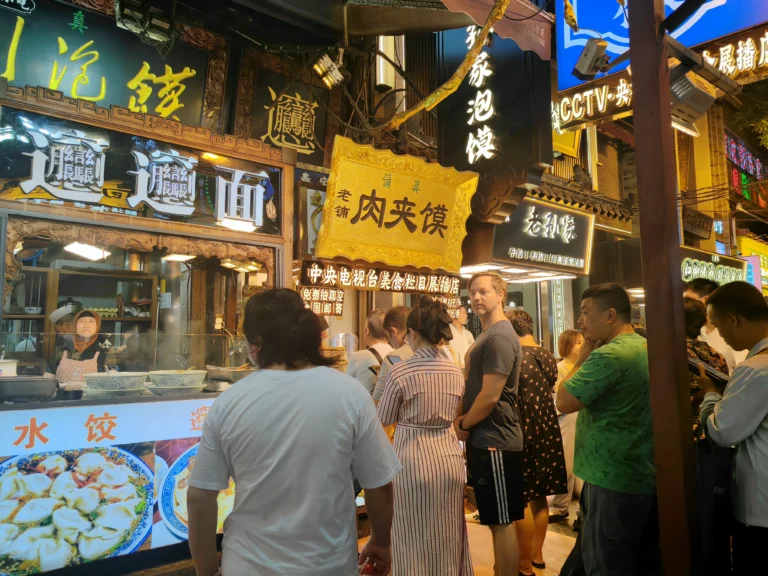
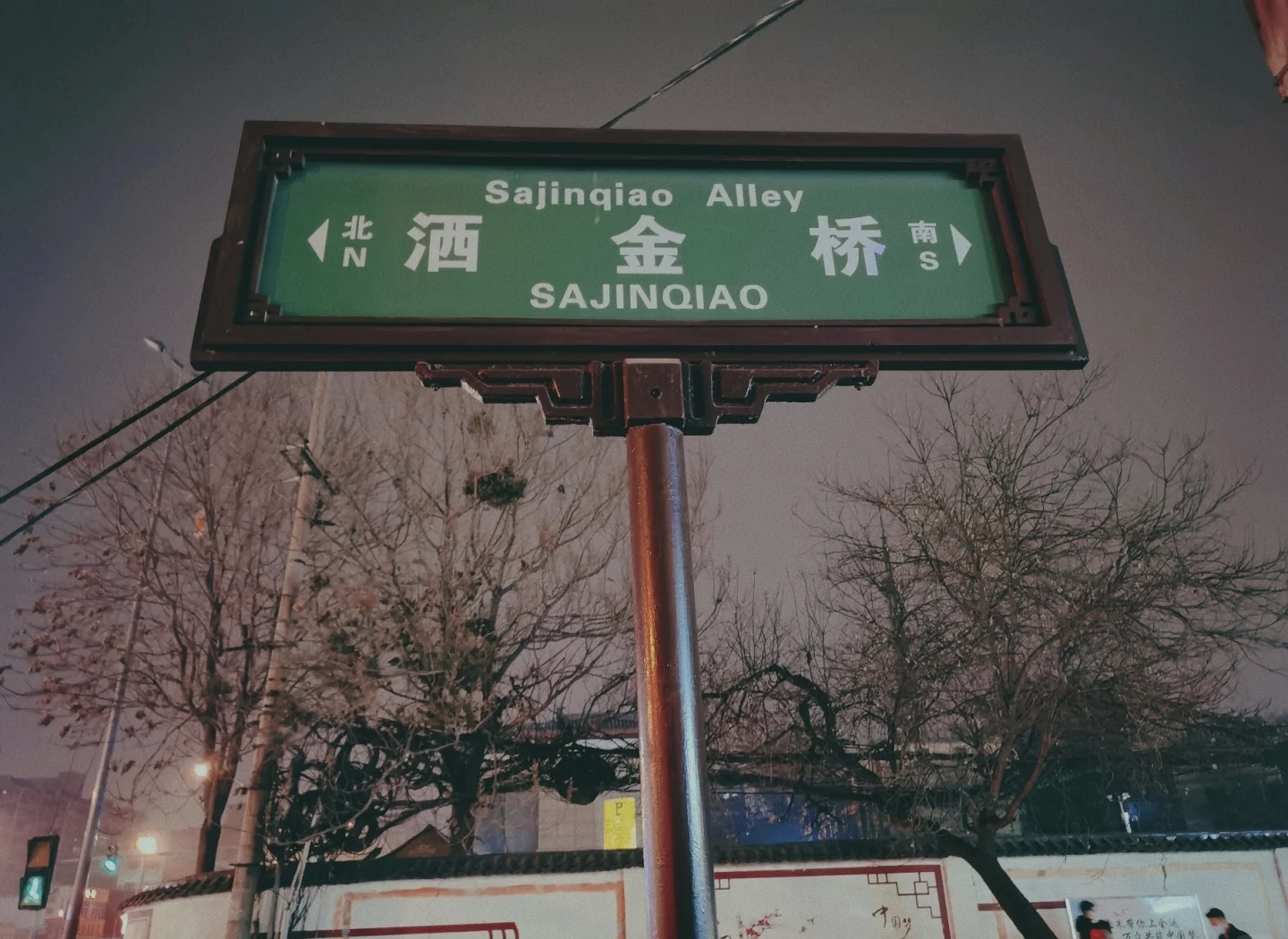
The Muslim Quarter is not just Beiyuanmen, the one main street. The real treasure of halal xi’an foods hides behind it, in Dapiyuan and Sajinqiao. Beiyuanmen is crowded and pricey; Dapiyuan’s old names—paomo and cured beef shops—draw local queues, while Sajinqiao’s night market runs wilder, with skewers, hu la tang, and stir-fried paomo drifting down the lane. If you want to map it in half a day, I recommend a solid xi’an halal food tour route—like our one-day history and food walk on Xi’an Muslim Street, which links the Drum Tower, Beiyuanmen, Dapiyuan, and Sajinqiao into one line. It is also the backbone of many best halal restaurants xi’an lists; following this xi’an muslim quarter food guide flow saves more headaches than wandering the main drag blind. Avoid the “free guides” who pull you into shops and the overpriced网红 stalls; carry cash, since some old places are cash-only. After six in the evening the lanes come alive and feel most like the Fangshang itself.
The Xi’an Muslim Quarter Food Guide: What to Order
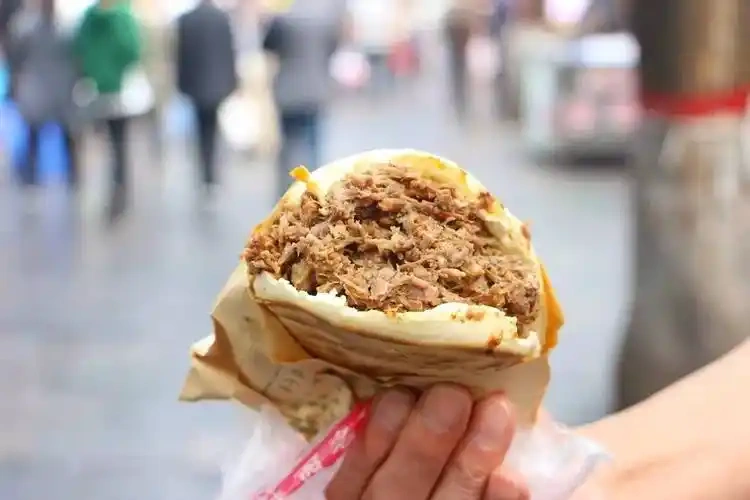
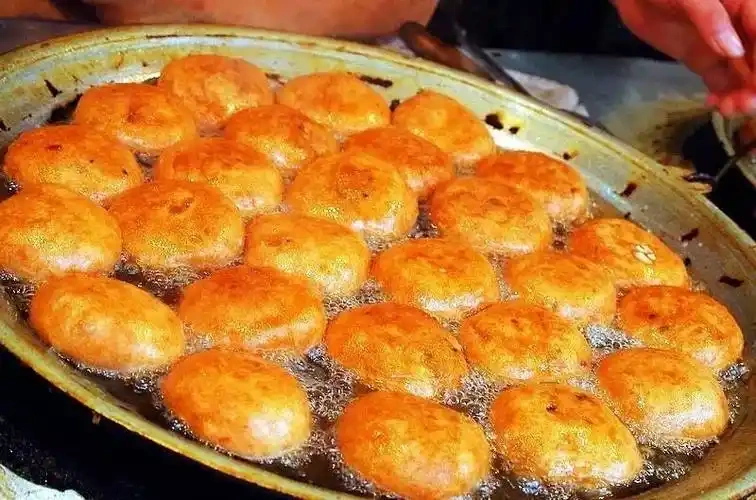
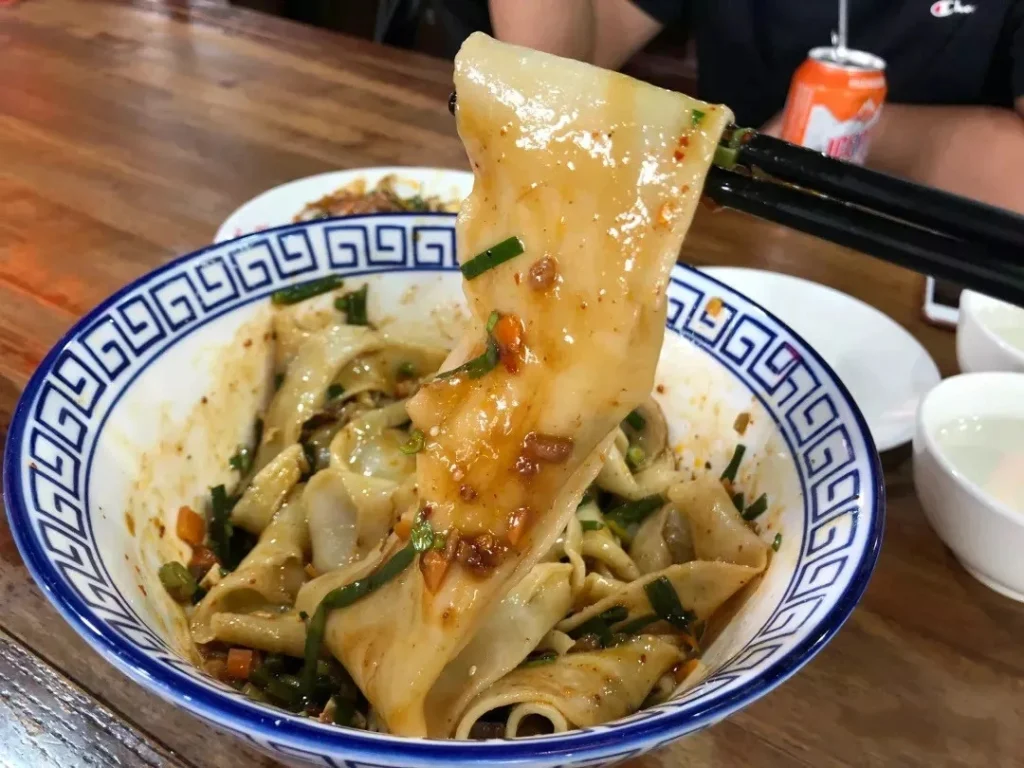
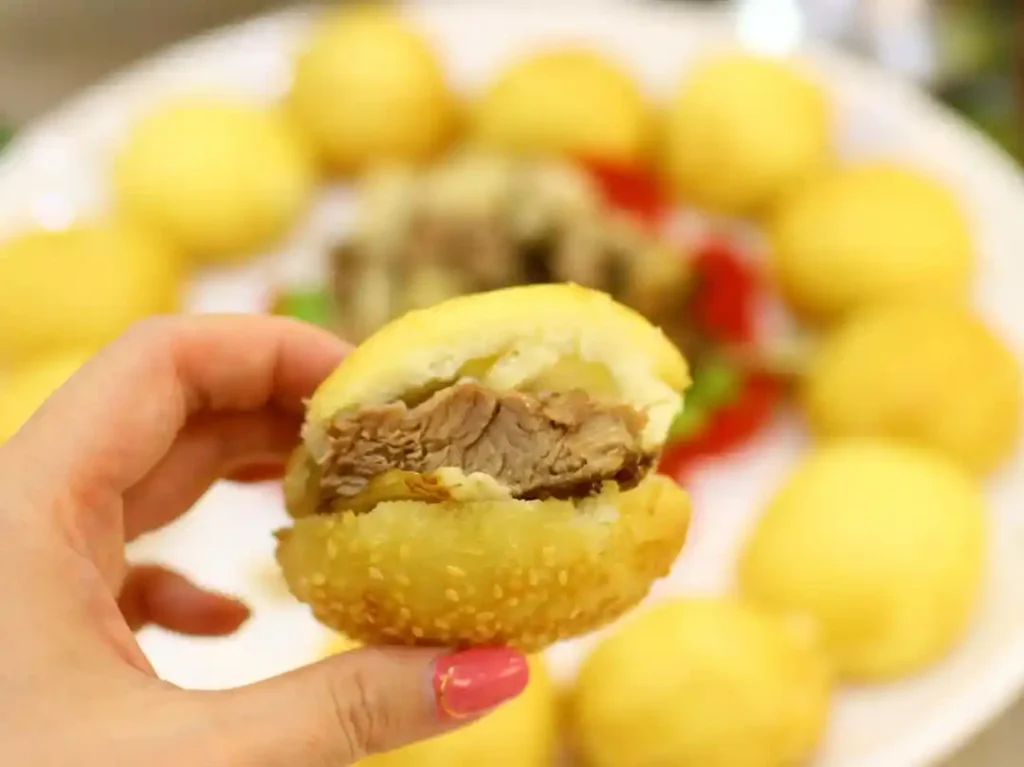
Here is a starter list of halal xi’an foods you can order without regret: yangrou paomo, where tearing bread is the ritual and broth is the soul; roujiamo, cured pork-free meat stuffed in a baiji bun, the “Chinese hamburger”; biangbiang noodles, belt-wide ribbons under hot oil and chili; liangpi, chewy cold noodles with a sour kick; lamb skewers, the night-market headliner under cumin; and persimmon cakes, a crisp-outside, soft-inside Hui dessert. In winter, add a bowl of hot suan tang jiaozi or za gan tang to settle the stomach. To taste all ten dishes with their stories, see our Xi’an Muslim Quarter food guide, which explains each dish’s 1,300-year backstory. For anyone hunting best halal restaurants xi’an, that list is ranked by local reputation.
Prayer Stops in the Quarter
halal xi’an foods is not only about eating—it is about settling your faith too. The Great Mosque on Huajue Lane opens its prayer space to Muslims for free, with wudu (ablution) facilities inside and a dedicated women’s prayer area on the upper floor. Friday’s Jumu’ah gathers around 12:50, and you can feel the whole district quiet down together. We have written separately about this 1,300-year-old Xi’an Great Mosque, down to its architecture and etiquette. Smaller mosques dot the area, so you can always find a quiet corner to make wudu and keep going. This is also why people keep asking is xi’an muslim friendly—here, eating and praying are simply two parts of the same day, no separate trip required.
FAQ
Wrapping Up
Put halal xi’an foods on your itinerary and Xi’an truly opens up to you. Tear a bowl of paomo by hand in the alley, pray quietly at the Great Mosque, then walk this halal food xi’an travel guide to the end—and you will find the city’s warmest humanity hiding in its smoky lanes and steaming broth. For a planned route, pair it with a xi’an halal food tour through the old lanes.