History of Xi’an: Complete Timeline of 13 Ancient Chinese Dynasties
- An Ancient Capital of the East, on Par with Rome and Athens
- History of Xi'an: Complete List of the 13 Dynasties of Xi’an
- Western Zhou Dynasty (1046–771 BCE): The Dawn of Civilization
- The Qin Dynasty (221–206 BCE): The Emperor Without Equal
- The Han Dynasty (206 BCE–220 CE): The Starting Point of the Silk Road
- The Sixteen Kingdoms and the Northern and Southern
- The Sui Dynasty (581–618): The Rebuilding of Chang’an
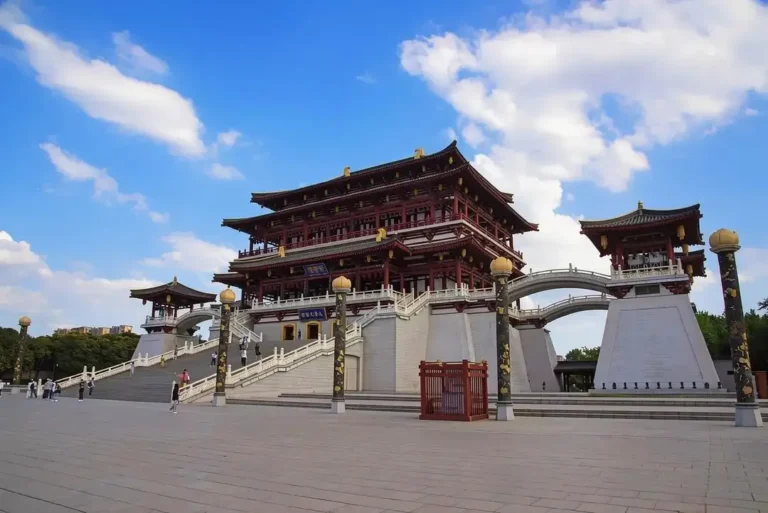
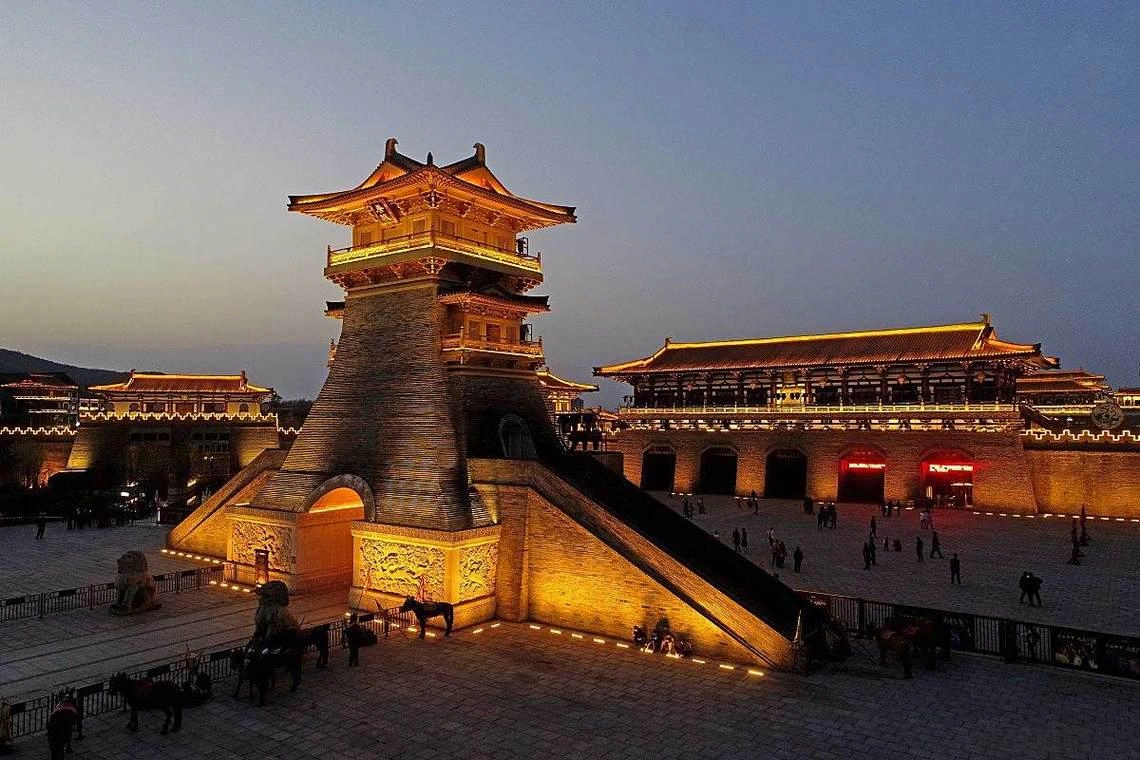
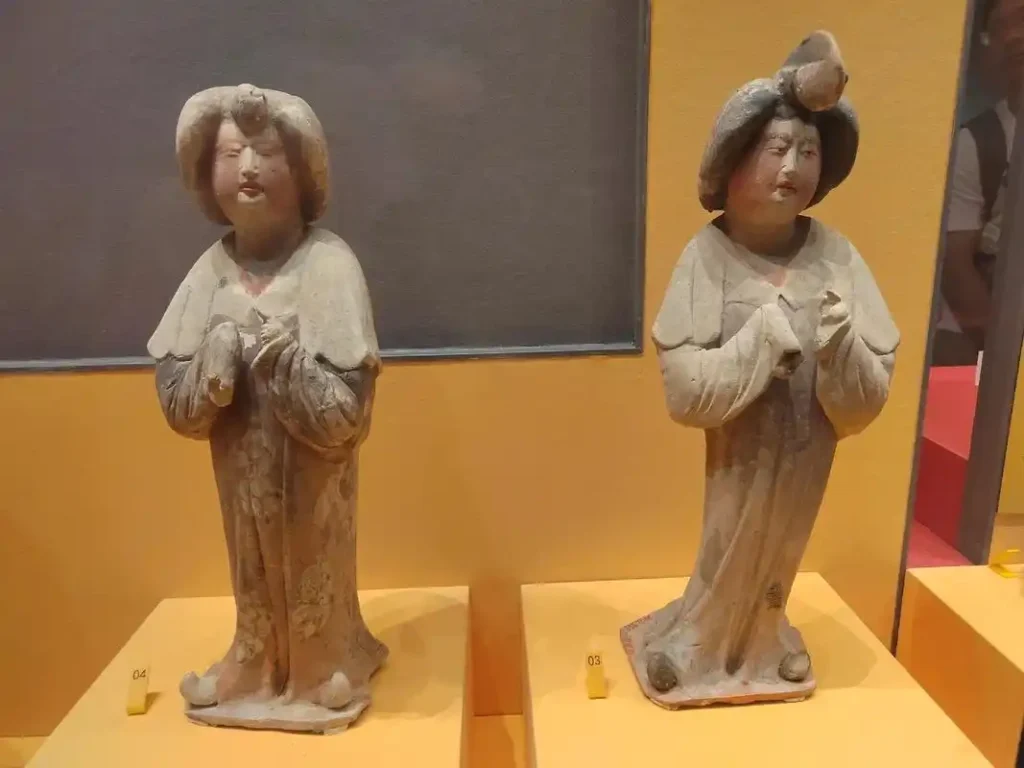
- The Tang Dynasty (618–907): A Golden Age
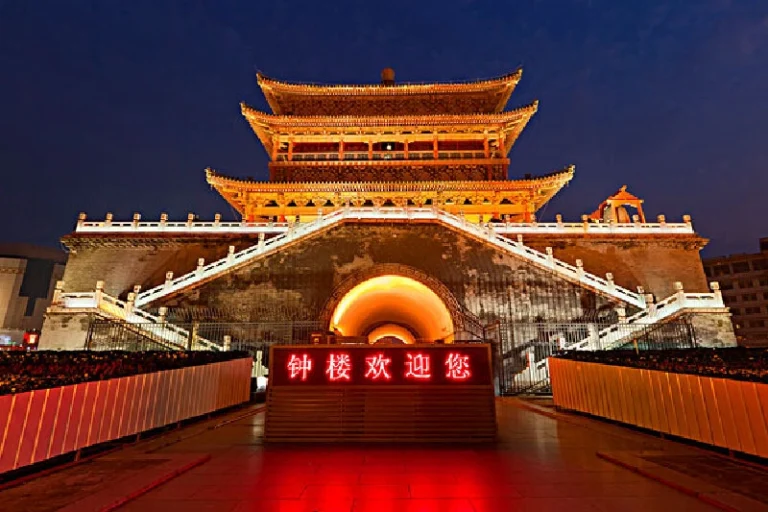
- Ming Dynasty (1368–1644): Six Centuries of History Preserved in the City Walls
- Xi'an Today: History Continues to Unfold
An Ancient Capital of the East, on Par with Rome and Athens
To understand the history of Xi’an is, in essence, to understand the history of China itself. This article takes you on a chronological journey through every significant era of Xi’an’s history as a capital.
If there is one city in the world that can trace the rise and fall of a civilization over 3,100 years, it is undoubtedly Xi’an. Like Rome, Athens, and Cairo, Xi’an is one of the world’s most important ancient capitals, but it has a unique distinction: it served as the capital of 13 dynasties, spanning more than 1,100 years of history. In ancient times, it was known as Chang’an, meaning “lasting peace and stability.” It was here that China’s first emperor unified the realm, the Silk Road began its journey, and the world’s largest city once rose to prominence.

History of Xi’an: Complete List of the 13 Dynasties of Xi’an
From 1046 BC to 907 AD, a total of 13 dynasties chose Xi’an as their capital:
| Dynasty | Period | Capital |
| Western Zhou | B.C 1046–771 | Haojing |
| Qin | B.C 221–206 | Xianyang |
| Western Han | 206 BC – 9 AD | Chang’an |
| Xin | A.D. 9–23 | Chang’an |
| Eastern Han | A.D. 23–25 | Chang’an |
| Western Jin | A.D. 265–316 | Chang’an |
| Former Zhao | A.D. 319–329 | Chang’an |
| Former Qin | A.D. 351–394 | Chang’an |
| Later Qin | A.D. 384–417 | Chang’an |
| Western Wei | A.D. 535–557 | Chang’an |
| Northern Zhou | A.D. 557–581 | Chang’an |
| Sui | A.D. 581–618 | Daxing/Chang’an |
| Tang | A.D. 618–907 | Chang’an |
Below is a detailed chronological account of the mark each dynasty left on the history of Xi’an.
Western Zhou Dynasty (1046–771 BCE): The Dawn of Civilization
The history of Xi’an as a capital city begins with the Western Zhou Dynasty. During this period, two capitals—Fengjing and Haojing—were established near present-day Xi’an. This was a crucial period in the formation of Chinese civilization, marked by the flourishing of bronze casting, the emergence of the concept of the “Mandate of Heaven,” and the laying of the foundations of Chinese political philosophy.
Although the Western Zhou later moved their capital eastward, the cultural heritage they left behind on the Guanzhong Plain has never faded. The rulers of the Western Zhou established a consensus: this fertile Guanzhong Plain was the ideal place from which to rule the realm.
The Qin Dynasty (221–206 BCE): The Emperor Without Equal
In 221 BCE, Emperor Qin Shi Huang unified the six warring states and established his capital in Xianyang—just north of present-day Xi’an. As China’s first emperor, he standardized the written language, currency, and systems of weights and measures; these reforms profoundly shaped Chinese history for more than two thousand years.
His most famous legacy? Without a doubt, the Terracotta Army. In 1974, several farmers in Lintong County accidentally unearthed fragments of terracotta figures while digging a well to combat drought, marking the beginning of an archaeological discovery that astonished the world. Construction of the Terracotta Army began in 246 BC. Buried underground are over 8,000 life-sized soldiers, warhorses, and chariots. The site was designated a UNESCO World Heritage Site in 1987. It is one of the greatest archaeological discoveries of the 20th century.
The Qin Dynasty lasted only 15 years before it collapsed, but its imprint on the history of Xi’an can never be erased.
The Han Dynasty (206 BCE–220 CE): The Starting Point of the Silk Road
During the Western Han Dynasty, the capital was officially moved to Chang’an, where one of the largest and most sophisticated cities in the world at the time was built. It is estimated that the population of Han-era Chang’an exceeded 240,000, making it a true political and cultural hub.
In 138 BCE, Emperor Wu of Han dispatched the diplomat Zhang Qian on a mission to the Western Regions. This expedition laid the foundation for the trade network later known as the Silk Road—a commercial route stretching over 6,400 kilometers from Chang’an to the Mediterranean. Silk, porcelain, and paper were transported westward, while gold, glass, and woolen goods were brought from the West. The story of Xi’an as a world-class city began here.
Han Chang’an served as the capital for approximately 350 years (including the brief reign of Wang Mang’s Xin Dynasty). Archaeological evidence suggests that it was one of the world’s earliest truly international cities, rivaling Rome in stature during the same period.
The Sixteen Kingdoms and the Northern and Southern
Dynasties (304–581): Holding Firm in Turbulent Times
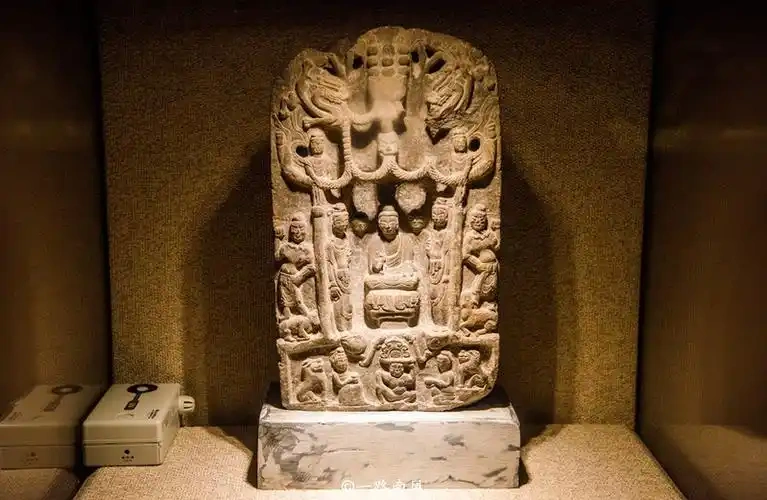
After the fall of the Han Dynasty, northern China descended into fragmentation and civil strife. Xi’an changed hands repeatedly: the Former Zhao (319–329), the Former Qin (351–394), and the Later Qin (384–417) all occupied the city, followed by the Western Wei (535–557) and the Northern Zhou (557–581), which also made Chang’an their capital.
Although this period was marked by political turmoil, these regimes ensured that Xi’an’s status as a capital city was maintained, preserving the city’s infrastructure and its position as a political center. Of the 13 dynasties of Xi’an, five originated from this era of turmoil.
The Sui Dynasty (581–618): The Rebuilding of Chang’an
The Sui Dynasty brought an end to nearly 400 years of political fragmentation in China. Emperor Wen of Sui constructed a grand new capital—Daxing City—on the site of the old Chang’an, featuring a strictly organized grid layout. The blueprint for this city laid the foundation for the most glorious chapter in the history of Xi’an.
The Sui Dynasty also constructed the Grand Canal, linking the rich economic resources of the south with the northern capital. Although the Sui Dynasty lasted only 37 years, its achievements in urban development were fully inherited by the next dynasty.
The Tang Dynasty (618–907): A Golden Age
If you could only learn about one era in the history of Xi’an, it would be the Tang Dynasty.
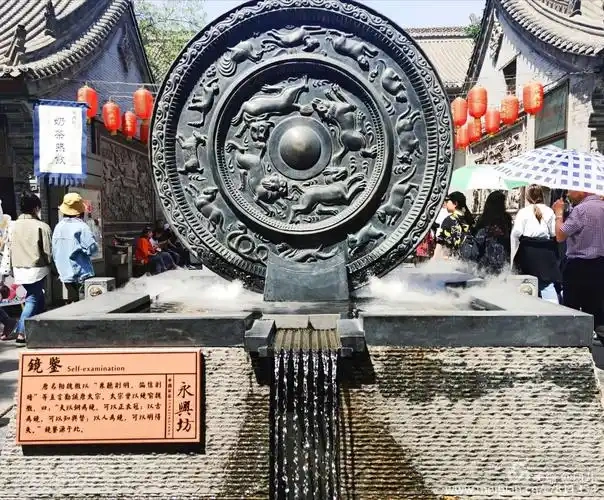
Tang Chang’an was not merely the capital of a nation—it was the largest and most cosmopolitan city in the world at the time. With a population of approximately one million, it far surpassed Constantinople and Baghdad during the same period. Among these one million residents, there were over 10,000 foreign households—Central Asian merchants from the Silk Road, students from Japan and Korea, diplomatic envoys from Persia and the Byzantine Empire, and monks from India who came to spread Buddhism.
The Silk Road reached its zenith during the Tang Dynasty. Before the outbreak of the An Lushan Rebellion (755–762)—an eight-year uprising that marked the turning point from the Tang Dynasty’s prosperity to its decline—Chang’an was a truly international metropolis where Persian goods, Indian religion, Central Asian music, and Chinese poetry converged.
The Tang Dynasty marked the pinnacle of Chinese literature. Li Bai and Du Fu—two great poets whose works Chinese students still recite today—composed their poetry right here in Chang’an. With over 50,000 surviving Tang poems by more than 2,000 authors, the Tang Dynasty stands as one of the most brilliant eras in the history of world literature.
Emperor Taizong of Tang (reigned 626–649) expanded China’s influence westward, defeating the Eastern Turks in 630 and establishing the Anxi Protectorate in 640, which secured the Silk Road and extended China’s control into Central Asia.
In 907, the Tang Dynasty fell, bringing the golden age of Xi’an, the ancient capital, to a close. Yet the legacy left by this city has become an integral part of Chinese civilization.
Ming Dynasty (1368–1644): Six Centuries of History Preserved in the City Walls
After the Tang Dynasty, Xi’an’s status as the nation’s capital declined, and subsequent dynasties chose other cities as their capitals. However, the Ming Dynasty left Xi’an with its most iconic landmark—the Xi’an City Walls.
Constructed between 1370 and 1378, the walls stretch 13.74 kilometers in length, stand 12 meters high, and have a top width of 12 to 14 meters. They are the largest and most complete ancient city walls still standing in China, as well as one of the best-preserved ancient military defense systems in the world.
Each of the four main gates—Changle (East), Anding (West), Yongning (South), and Yuan’an (North)—holds its own unique features, with every gate equipped with a moat, a drawbridge, a watchtower, and a barbican. The South Gate is today’s most popular entrance, boasting the most intact defensive structures and direct access via the subway.
A large-scale restoration project that began in 1983 spared the Xi’an City Wall from the same fate as the Beijing City Wall (which was demolished in the 1950s and 1960s). Today, you can walk or cycle the entire length of the wall—a 14-kilometer journey that offers views of both the ancient and modern cities.
Xi’an Today: History Continues to Unfold
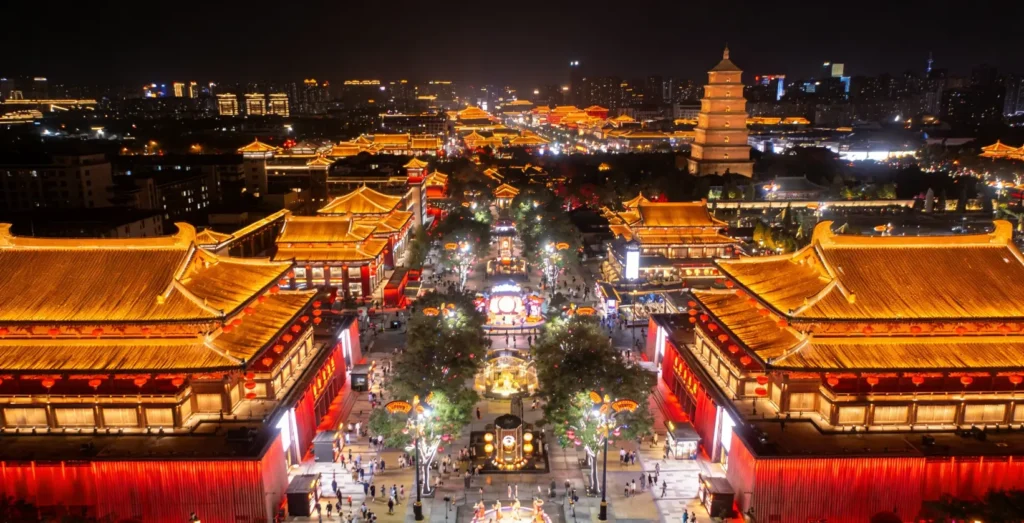
The history of Xi’an exists not only in textbooks and archaeological sites. The city’s ancient heritage permeates everyday life.
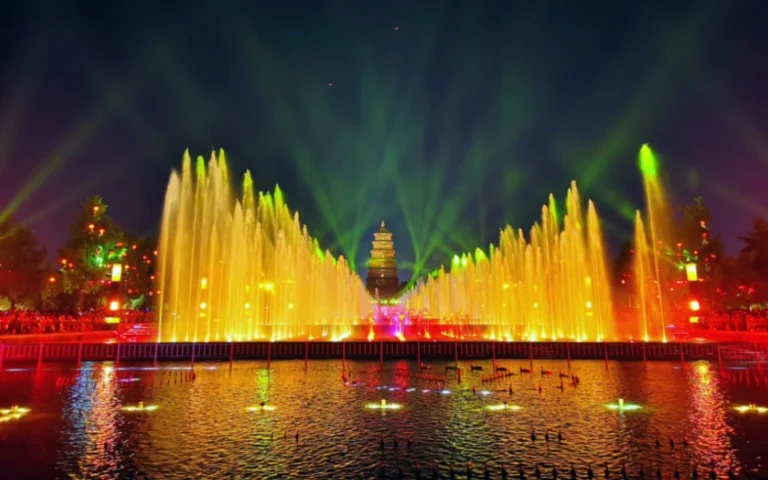
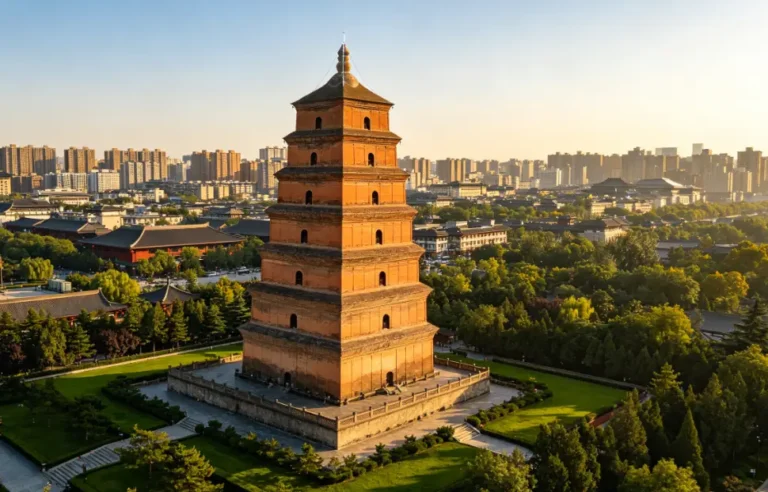
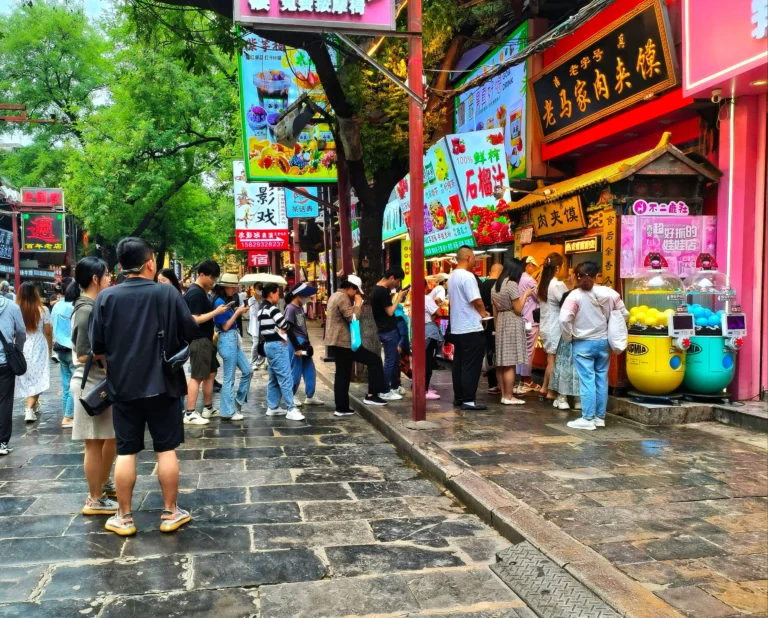
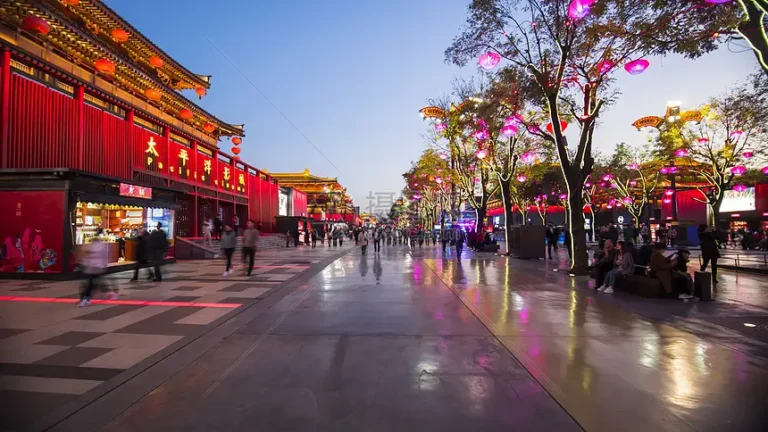
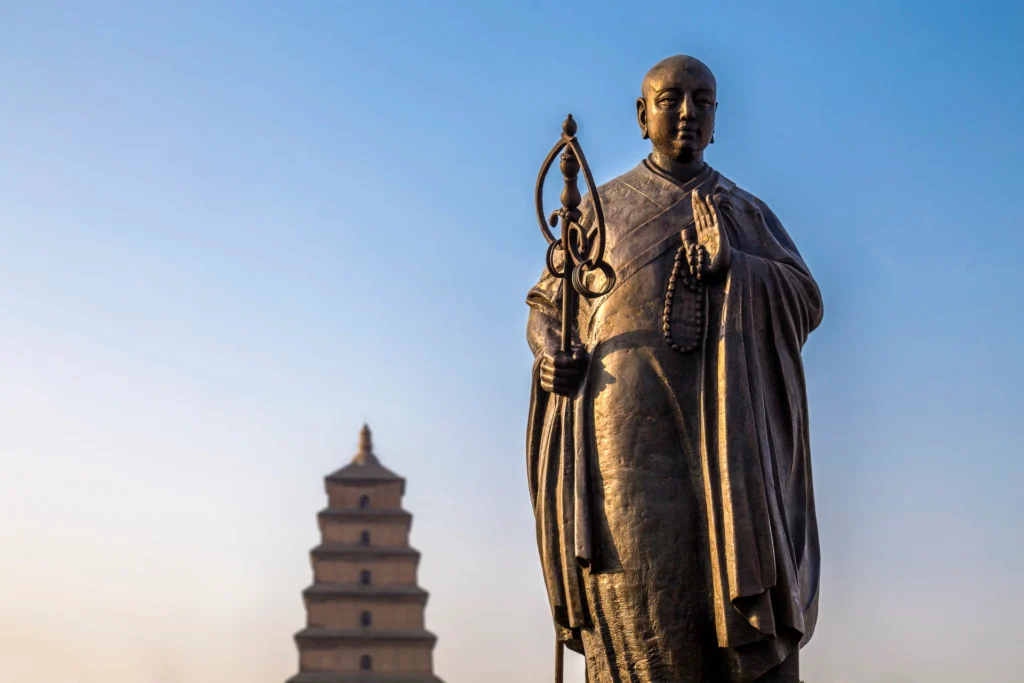
The Shaanxi History Museum houses artifacts from the 13 dynasties that once ruled from Xi’an, making it the best place to learn about Xi’an’s 13 dynasties. Built during the Tang Dynasty to house the Buddhist scriptures brought back from India by the monk Xuanzang, the Big Wild Goose Pagoda is now part of the Silk Road UNESCO World Heritage Site. The Xi’an Muslim Street has endured since the Tang Dynasty; its streets and alleys are filled with food stalls and ancient buildings, brimming with a vibrant, lively atmosphere.
In early 2026, after decades of restoration, the moat encircling the city walls was fully reconnected—the 14.6-kilometer waterway recreates the scenery witnessed by people during the Ming Dynasty.
The history of Xi’an is not merely about Chinese history; it is the story of how a city has continuously reinvented itself over three millennia. From the bronze ritual vessels of the Western Zhou Dynasty to the metropolis of a million people in the Tang Dynasty, from Zhang Qian’s first caravan to the Western Regions to the starting point of the Silk Road that attracts global tourists today—three thousand years have passed, yet Xi’an, the ancient capital, continues to write its own history.