Package Tour to Xi’an and Silk Road from Malaysia: Complete Guide with Airport-to-Terracotta Transport & Layover Itinerary (2026)
- Package Tour to Xi'an and Silk Road from Malaysia–First things first: visas and flights
- The First Thing to Do After Landing at the Airport: How to Get to the Terracotta Army
- Most Economical: Airport Shuttle to Lintong + Bus Route 602
- Most Affordable: Metro Line 14 + Line 9 + Tourist Bus 613
- Most Convenient: Taxi or Didi
- Most Hassle-Free: Group Tour Pickup
- How to Visit the Terracotta Army
- Package Tour to Xi'an and Silk Road from Malaysia: How to Plan Your Layover
- Halal Cuisine: How Muslim-Friendly Is Xi'an for Malaysians?
- How to Travel the Silk Road: 8-Day Highlights and 12-Day Full Route
- Best Time to Visit
- Frequently Asked Questions
Two thousand years ago, a man named Zhang Qian set out from Xi’an and traveled westward for three years, opening a route connecting China with Central Asia, the Middle East, and Europe. Later, people came to call it the Silk Road. Today, a package tour to Xi’an and Silk Road from Malaysia allows you to retrace this journey—it doesn’t take three years; 8 to 15 days is all it takes.
Malaysia to Xi’an and the Silk Road—departing from Kuala Lumpur, landing in Xi’an, and standing before 8,000 life-size terracotta warriors just three hours later—this kind of itinerary is no longer a distant dream for Malaysian travelers. This article covers everything from flights, visas, and airport transfers to transportation to the Terracotta Army, 8- to 24-hour layover itineraries, halal dining options, and a complete guided Silk Road tour route. Everything you need to know about a Xian tour package is right here.
Package Tour to Xi’an and Silk Road from Malaysia–First things first: visas and flights
Holders of ordinary Malaysian passports are eligible for a 30-day visa-free stay in China. This policy, effective since December 2023, will remain in effect through 2026. It applies to tourism, business, and family visits, provided your passport is valid for at least six months. For an 8- to 15-day Silk Road itinerary, you can travel completely visa-free—just book your flight and go.
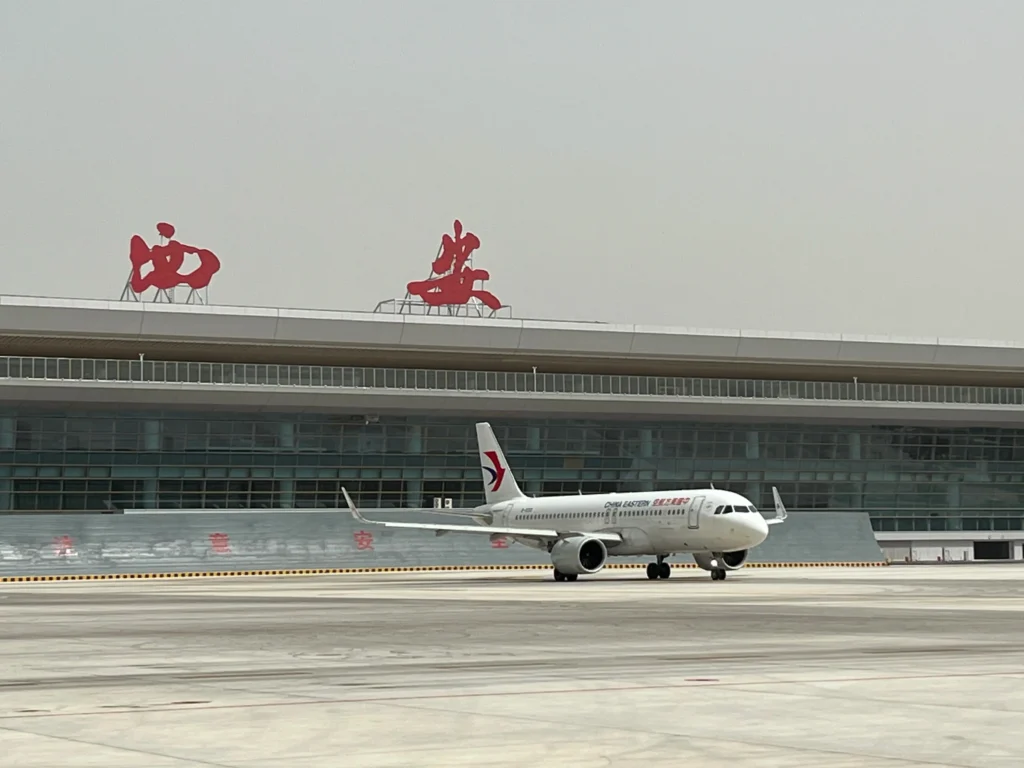
As for flights, Xi’an Xianyang International Airport (XIY) serves as the gateway. Batik Air Malaysia operates seasonal direct flights from Kuala Lumpur to Xi’an, taking approximately 6 hours. However, the schedule is irregular, so most travelers opt for connecting flights via Guangzhou or Chengdu, which take about 8–10 hours and offer more affordable prices. The Kuala Lumpur–Guangzhou–Xi’an route is the most popular, with many combined flights operated by Malaysia Airlines and China Southern Airlines, offering manageable layover times.
The First Thing to Do After Landing at the Airport: How to Get to the Terracotta Army
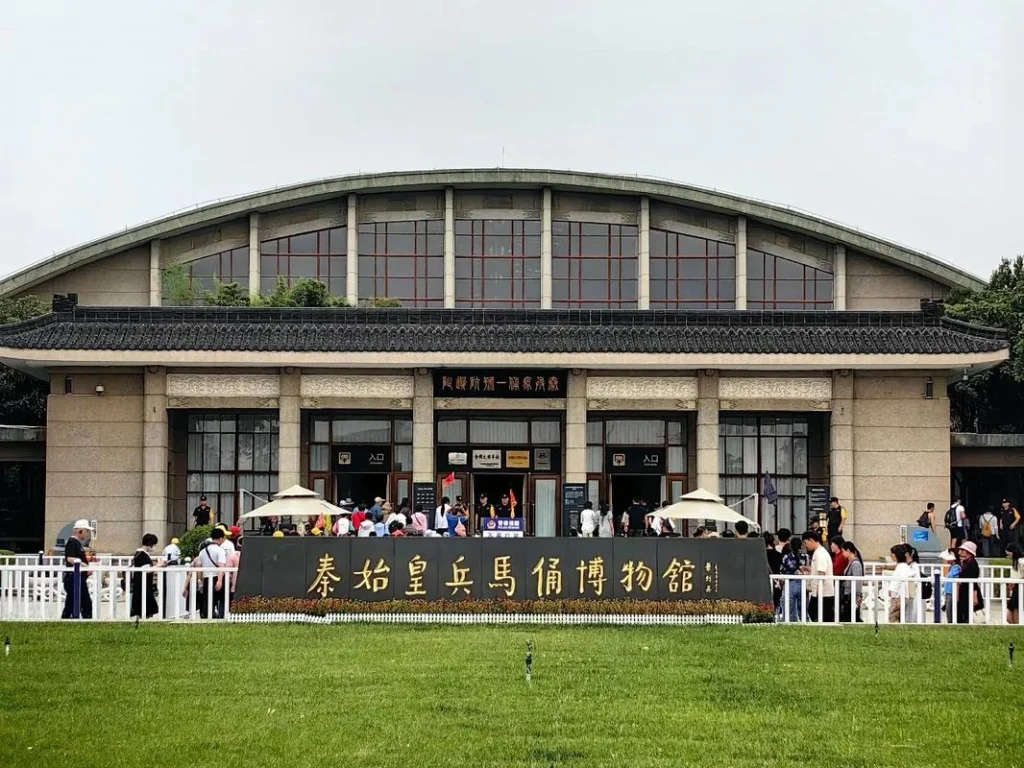
The Terracotta Army is located in Lintong District, 66 kilometers from Xi’an Xianyang International Airport and 40 kilometers from the city center. There are four ways to get from the airport to the Terracotta Army, each with its own merits.
Most Economical: Airport Shuttle to Lintong + Bus Route 602
First, take the airport shuttle to Lintong (Airport Passenger Transport Lintong Line) and get off at the Xi’an University of Science and Technology Lintong Campus stop. Transfer to Bus Route 602 (Lintong Line) and get off at the “Terracotta Army Station.” From there, walk 330 meters to the museum entrance. The total cost is approximately 25–30 RMB (about RM 15–18), and the journey takes 1.5 to 2 hours. The downside is that it involves two transfers, and local buses have few English signs, so it’s easy to get lost if you don’t speak the language.
Most Affordable: Metro Line 14 + Line 9 + Tourist Bus 613
Take Metro Line 14 from the airport to Xi’an North Station, transfer to Line 2 to head into the city, then switch to Line 9 to Huaqing Pool Station, and finally transfer to the 613 Tourist Bus to the Terracotta Army. The total cost is 15–20 RMB (approx. RM 9–12), but this involves the most transfers and takes 2 to 2.5 hours. Best suited for those accustomed to the metro and looking for the lowest cost.
Most Convenient: Taxi or Didi
A taxi ride from the airport straight to the Terracotta Army takes 60 to 70 minutes and costs 150–200 RMB (RM 90–120). Toll fees of about 20 RMB may be charged separately. Using the Didi app (China’s version of Grab) might be cheaper, and you can pay via mobile without needing cash. If you share a ride with 2 to 3 people, the cost per person is about the same as taking the bus. Most drivers can understand “Terracotta Warriors” or “兵马俑.”
Most Hassle-Free: Group Tour Pickup
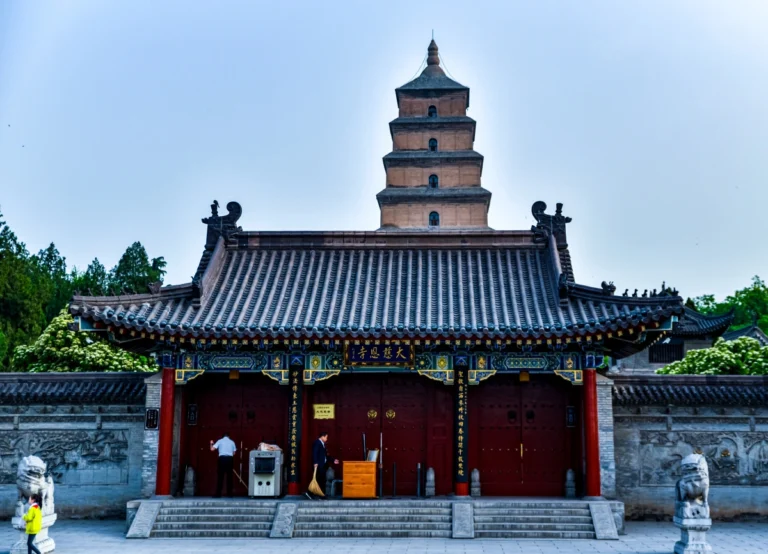
A tour guide will meet you in the airport arrivals hall. You’ll be picked up by a private vehicle, and admission is included. After visiting the Terracotta Army, you can add the Great Wall, Muslim Quarter, and Big Wild Goose Pagoda to your itinerary, and you’ll be dropped off at the airport or your hotel at the end. The itinerary is flexible, lasting 4 to 8 hours, and costs 400–600 RMB (RM 240–360) per person. This is the safest option for transit passengers and first-time visitors to Xi’an—no need to worry about transportation or missing your flight.
If the “package tour to Xi’an and Silk Road from Malaysia” includes a layover, just let the travel agency handle the arrangements.
How to Visit the Terracotta Army
Tickets cost 120 yuan (RM 72) during peak season and 60 yuan (RM 36) during off-season—half price. The peak season runs from March to November, and the off-season from December to February. Advance reservations are required; you can book via the official WeChat account or Ctrip.
Opening hours are 8:30 AM to 5:00 PM during peak season and 8:30 AM to 4:30 PM during off-peak season. We recommend setting aside 2.5 to 3 hours for your visit.
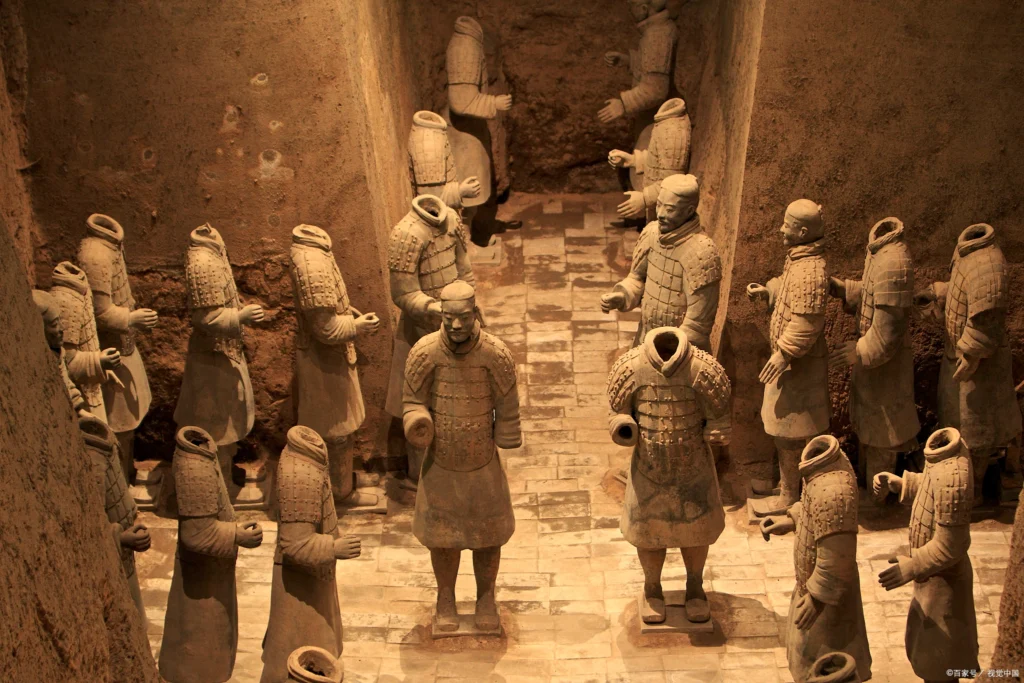
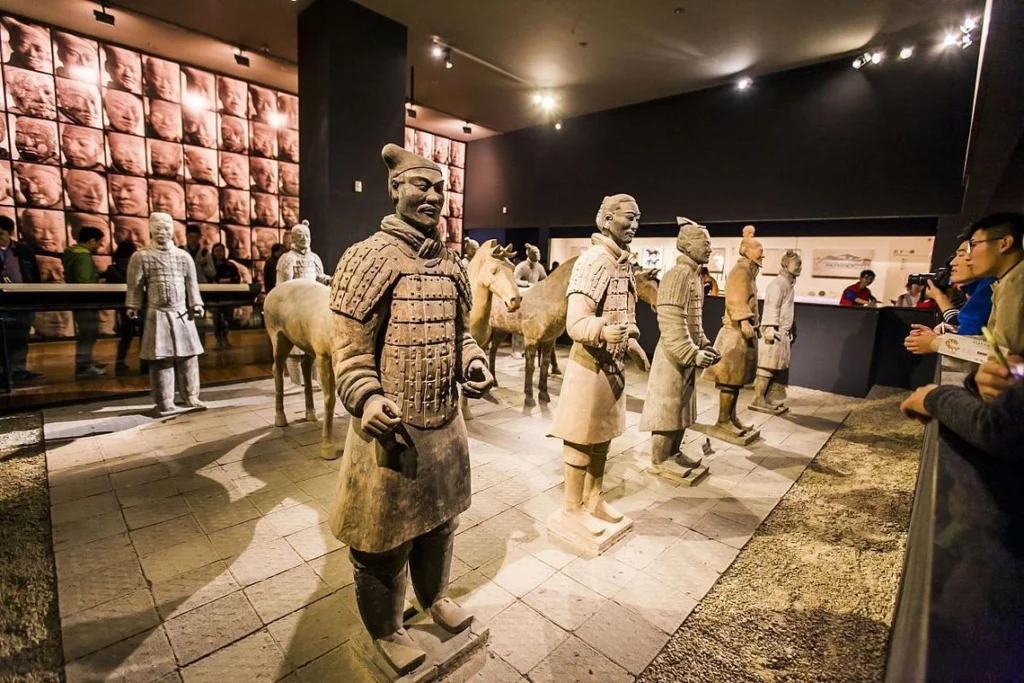
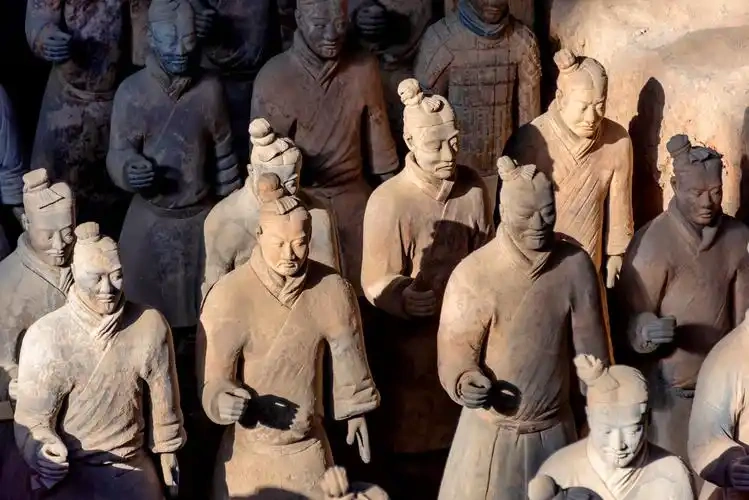
Pit 1 is the largest and most awe-inspiring. With 6,000 warriors standing in formation before you, the sense of grandeur is difficult to describe in words. Pit 2 features a diverse array of troops, including archers, cavalry, and chariots. Pit 3 serves as the command center, housing statues of high-ranking officers. There is also the Bronze Chariot and Horse Exhibition Hall, which displays two bronze chariots adorned with gold and silver fittings, known as the “No. 1 Bronze Chariot and Horse of China.” The 360-degree immersive theater screens a film detailing the discovery of the Terracotta Army and the stories behind it.
Key Tip: Arrive before 9:00 AM. The awe-inspiring experience is doubled when Pit 1 is less crowded; when it’s packed, it just feels stifling. Upon entry, you can hire a museum guide for 150–200 yuan for two hours—hearing the historical context behind the terracotta warriors is a completely different experience from simply “looking at a pile of clay figures.” For photography, the front rows of Pit 1 are the most crowded; head to the side corridors for better angles and fewer people.
Package Tour to Xi’an and Silk Road from Malaysia: How to Plan Your Layover
8 Hours — The Minimum Feasible Itinerary
Your tour guide picks you up at the airport, drives you 1 hour to the Terracotta Army, where you spend 2.5 hours exploring. Then, it’s a 30-minute drive to Xi’an Muslim Street for a 1.5-hour meal (start with roujiamo and yangrou paomo). Finally, it takes 1 hour to return to the airport, leaving a 1.5-hour buffer for check-in and security. 8 hours is only enough for the Terracotta Army and a quick meal at Hui Muslim Street; you’ll have to skip the City Wall and Big Wild Goose Pagoda. Arranging your own transportation increases the risk of missing your flight, so you must book a tour with airport pickup.
12 Hours — A Relaxed Tour of the Highlights
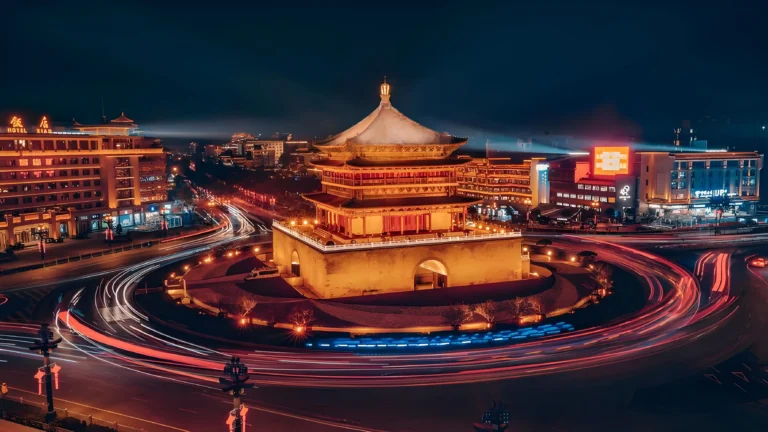
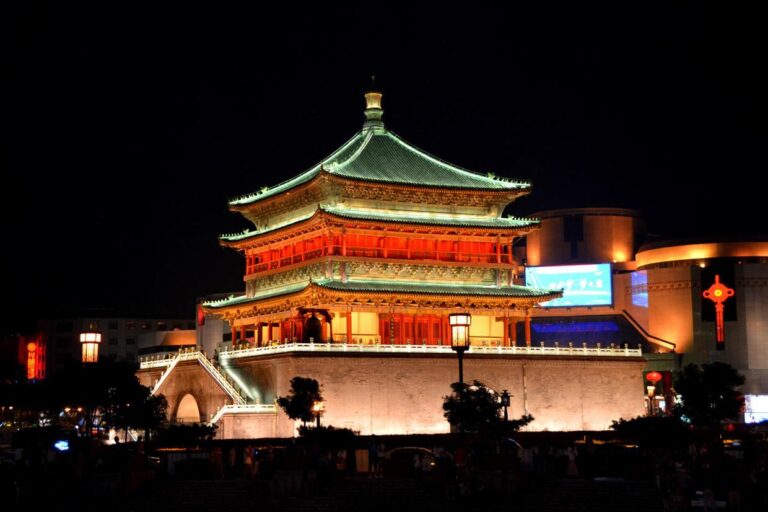
Spend 2.5 hours at the Terracotta Army, drive into the city to cycle along the Ancient City Wall for 1 hour, have dinner at Hui Muslim Street for 1.5 hours, enjoy the night view of the Bell and Drum Towers for 30 minutes (especially beautiful after the lights come on), then head back to the airport. This schedule is quite generous, so there’s no need to rush.
24 Hours — A Complete Introductory Experience of the Silk Road
Day 1: Terracotta Army + Huaqing Pool + Hui Muslim Street Night Market. Day 2: Cycling on the City Wall + Big Wild Goose Pagoda + Silk Road Artifacts Exhibition Hall at the Shaanxi History Museum + Bell and Drum Towers. Return to the airport in the afternoon. With a full two days, you’ll cover all the highlights of Xi’an.
Halal Cuisine: How Muslim-Friendly Is Xi’an for Malaysians?
Xi’an’s Hui Muslim Quarter has been a center of Islamic life since the Tang Dynasty and is one of China’s most Muslim-friendly tourist cities. The 1,100-meter-long pedestrian street lies behind the Drum Tower, and its three alleys—Beiyuanmen Street, Huajue Alley, and Xiyangshi Street—are lined with shops in the Ming and Qing dynasty styles, featuring both Arabic calligraphy and Chinese signage.
Must-Try List:
Roujiamo—Slow-braised beef or lamb sandwiched in a crispy flatbread; Xi’an’s “Chinese-style hamburger.” Just look for the “halal” label.
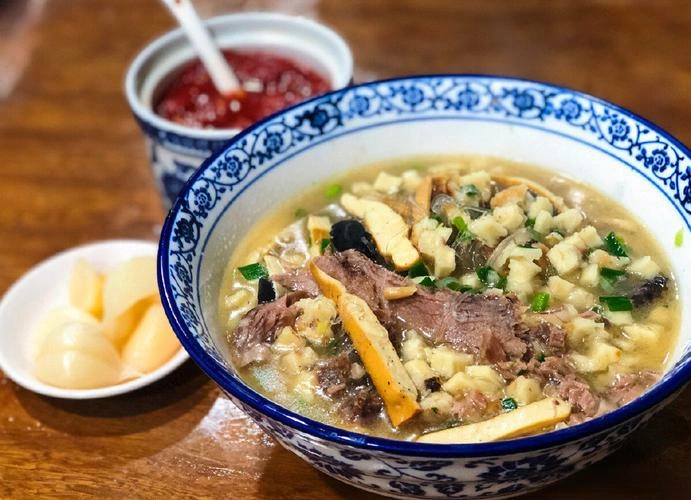
Yangrou Paomo—Shredded flatbread soaked in lamb broth; Xi’an’s most iconic Silk Road dish, prepared in the traditional Hui Muslim style and 100% halal.
Biangbiang Noodles — Wide, hand-pulled noodles served with chili oil; the beef and lamb versions at Hui restaurants are halal.
Grilled Lamb Skewers — Xinjiang-style charcoal-grilled skewers are everywhere on Hui Street—no need to think twice.
Persimmon Cakes — Small fried pastries filled with sweet persimmon paste; usually vegetarian and halal.
How to identify a halal establishment: Look for the “Halal” (Qīngzhēn) sign on the door. This is the official halal certification for China’s Hui Muslim community, and the green sign is recognized nationwide. If you see this sign, feel free to go in and eat.
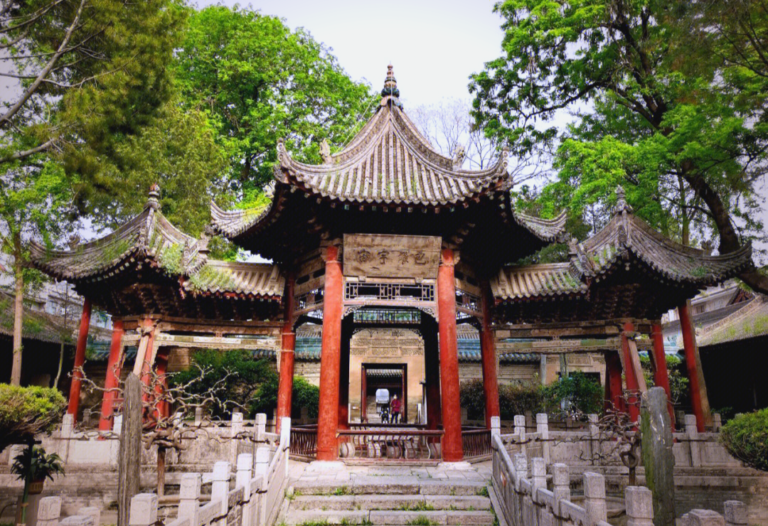
The Great Mosque of Xi’an, built in 742, is one of China’s oldest mosques. It features a unique Chinese Islamic architectural style—a pagoda-like structure combined with Islamic functions. Admission is 25 yuan, and it’s well worth a visit. The Small Mosque at Beiyuanmen, located next to Hui Muslim Street, is a community mosque; visitors are welcome during non-prayer hours.
If you’re heading along the Silk Road, you’ll find Hui restaurants in downtown Dunhuang, though options are limited within the Mogao Caves scenic area. You can find halal restaurants in Jiayuguan. Once you reach Kashgar, it’s a veritable paradise of Uyghur cuisine—naan, pilaf, hand-pulled noodles, and whole roasted lamb—all halal.
How to Travel the Silk Road: 8-Day Highlights and 12-Day Full Route
A complete Package Tour to Xi’an and Silk Road from Malaysia typically lasts 8 to 15 days. Below is a classic itinerary.
8 Days from Xi’an to Dunhuang
Day 1: Fly from Malaysia to Xi’an and enjoy a welcome dinner on Hui Muslim Street. Day 2: Terracotta Army + City Wall + Big Wild Goose Pagoda. Day 3: Visit the Shaanxi History Museum to view Silk Road artifacts, then fly to Dunhuang. Day 4: Mogao Caves—492 caves, 45,000 square meters of murals, and 2,400 sculptures, the world’s largest treasure trove of Buddhist art. Day 5: Moon Lake and Singing Sand Mountain, with camel riding in the Gobi Desert. Day 6: Visit Jiayuguan, where the Great Wall and the Silk Road converge. Day 7: Zhangye Danxia Landform, with mountains as colorful as a rainbow. Day 8: Return home.
12-Day Xi’an to Kashgar
Building on the 8-day itinerary, on the eighth day, fly from Zhangye to Turpan—visiting the Flaming Mountains, the Bezeklik Thousand Buddha Caves, and the Ancient City of Jiaohe. On the ninth day, head to Urumqi to visit the Xinjiang Museum and the International Grand Bazaar. On the tenth day, fly to Kashgar to explore the Id Kah Mosque and the Old City. On the eleventh day, visit the Sunday Bazaar and livestock market in Kashgar, where the culture of Silk Road trade remains vibrant to this day. Return home on the twelfth day.
Best Time to Visit
April through June and September through October are the best months, with temperatures ranging from 15 to 25 degrees Celsius—mild and comfortable. This is also when the Terracotta Army site is most crowded. In July and August, temperatures in Dunhuang and Turpan can exceed 40 degrees Celsius, so those who don’t tolerate heat well should avoid this time of year. From November through March, it’s cold but dry, with temperatures between 0 and 10 degrees Celsius. Admission tickets are half-price, crowds are at their lowest, and Xi’an retains its lively atmosphere even in winter. For Malaysian tourists, spring and autumn are the most comfortable seasons; the Gobi Desert region, in particular, can be scorching in the summer.
Frequently Asked Questions
Visa-free entry, halal cuisine everywhere, and two thousand years of history stretching from the airport to the foot of the Terracotta Army. Package Tour to Xi’an and Silk Road from Malaysia—just book your flight and go.