Xi’an Food Tour Must-Eat List: Roujiamo, Paomo & Liangpi — Taste 1000 Years of Flavor
- Xi'an food tour what to eat? What to order on your first visit to avoid disappointment?
- Is Xi'an's cuisine worth a special trip?
- Roujiamo: The "Chinese Hamburger" Recognized Worldwide
- Yangrou Paomo: The Ritual of Tearing Bread
- Liangpi: So Many Varieties, You’ll Be Spoiled for Choice
- Meatball Hula Tang: The Morning Flavor That Wakes Up Xi'an
- Zeng Gao & Soup Dumplings: Sweet Delights from the Street
- Lamb Blood Noodle Soup & Buckwheat Noodles: A Must-Try for Fans of Bold Flavors
- Handmade Noodles: A Staple Deeply Rooted in the Hearts of Guan Zhong People
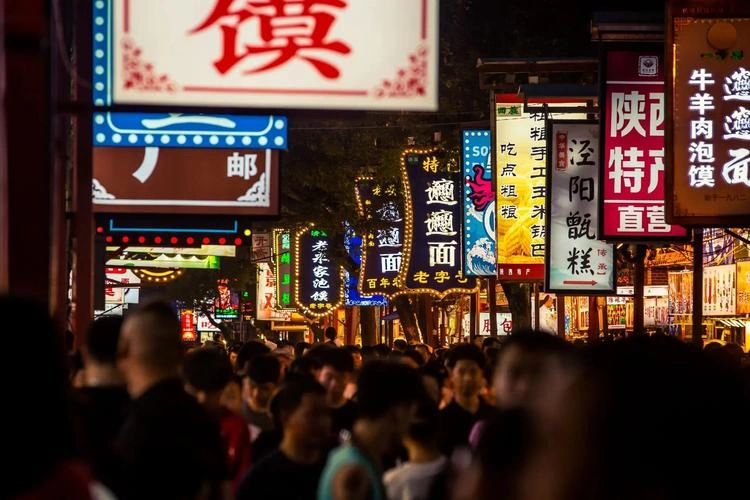
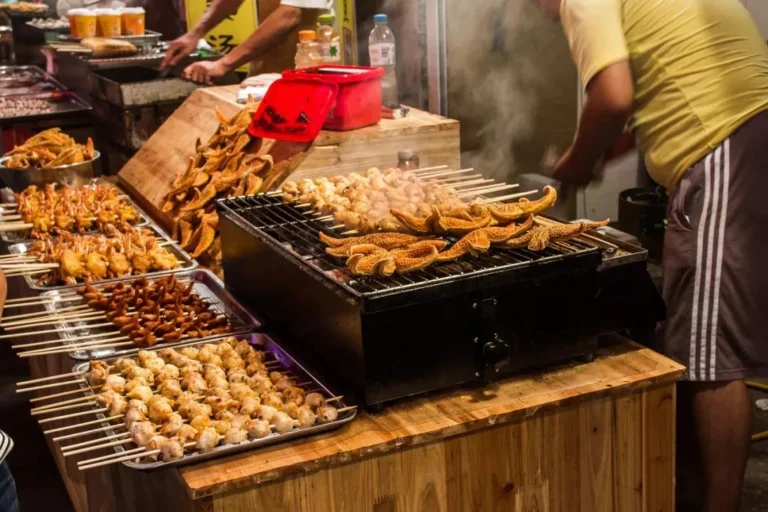
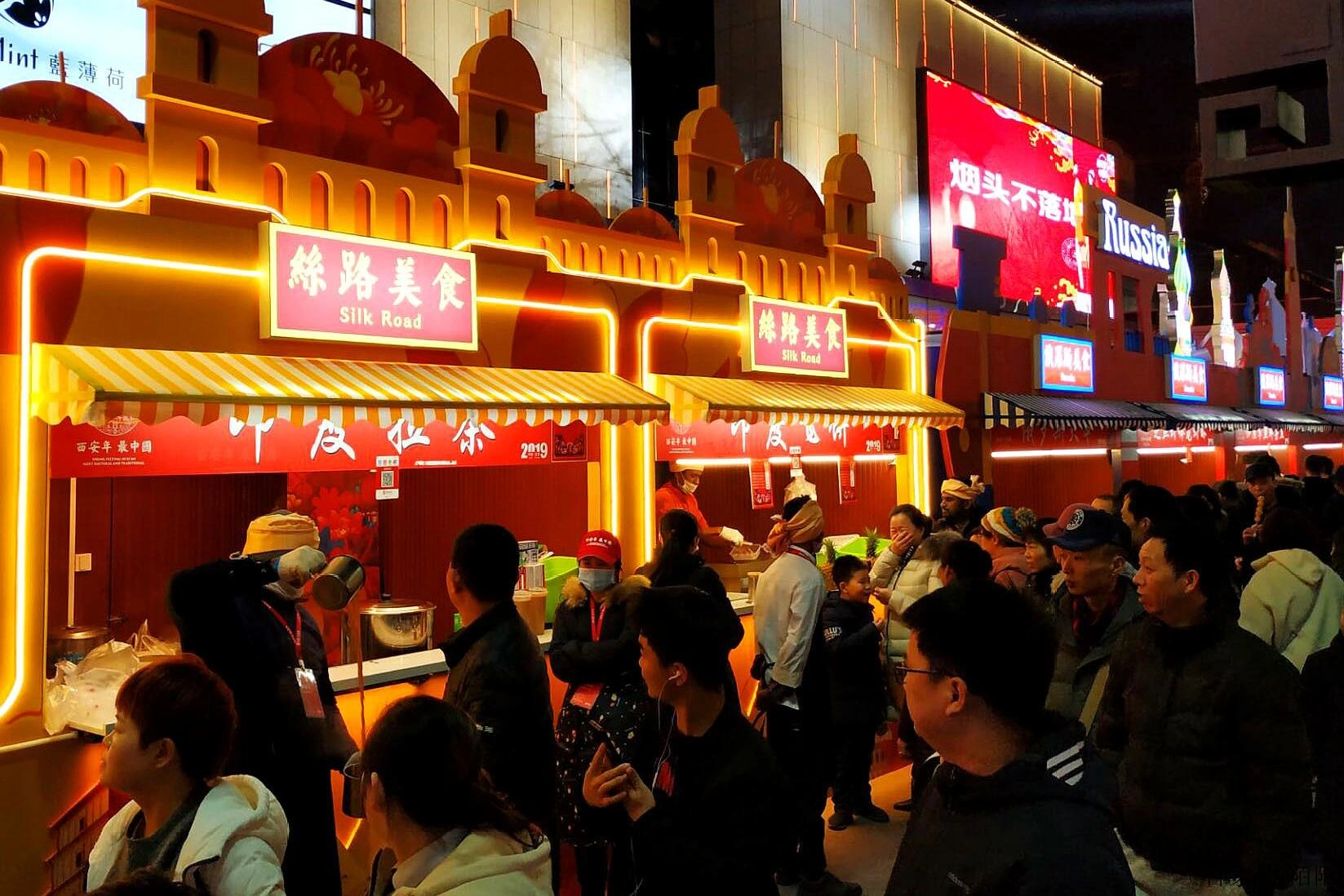
When people think of Xi’an, the first thing that comes to mind is a carb lover’s paradise. But the cuisine of this ancient capital of thirteen dynasties is far more than just a meal to fill your stomach. From the steaming hot dishes on Hui Muslim Street to the century-old eateries tucked away in old alleys, every bite reflects the timeless culinary heritage of the Guanzhong region.
If you’re planning a Xi’an food tour and want to skip the hype of trendy spots to dive straight into the authentic flavors endorsed by locals, this list has you covered.
Xi’an food tour what to eat? What to order on your first visit to avoid disappointment?
To be honest, there are so many delicious foods in Xi’an that first-time visitors can easily feel overwhelmed. Many international travelers ask, “What should I eat on a Xi’an food tour?” The answer is actually quite simple: start by getting to know the “Three Qin Classics.” Roujiamo, paomo, and liangpi—these three dishes have been staples for locals since childhood and are half the battle won on your Xi’an food tour.
Don’t worry about your budget—Xi’an is famous for its great value when it comes to food. A bowl of roujiamo costs 10–18 yuan, paomo 20–35 yuan, and liangpi 8–15 yuan, while street snacks usually come in under 10 yuan. You can eat until you’re full for just 50 yuan per person, so you don’t have to spend a fortune to experience the authentic flavors of this ancient city.
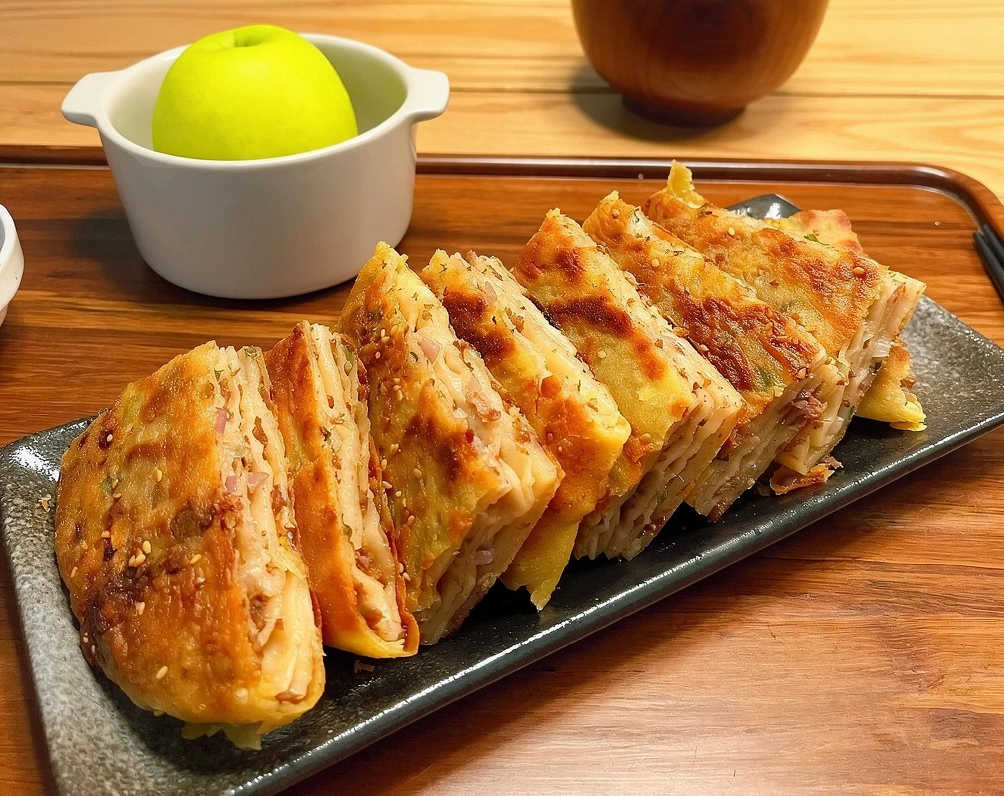
Is Xi’an’s cuisine worth a special trip?
If you’re a traveler with a passion for food, the answer is a resounding yes. Xi’an offers more than just the Terracotta Army and the city walls; its cuisine is a “tourist attraction” in its own right. From Yangrou Paomo, which dates back to the Song Dynasty, to Guantang Bao, a tradition passed down from the Qing Dynasty to the present day, every dish has a story behind it.
What’s even more remarkable is that Xi’an’s best flavors are rarely found in shopping malls or tourist areas; instead, they’re hidden near school gates, at the base of apartment buildings, and at the ends of old alleys. This sense of everyday life is something many tourist cities have long since lost.
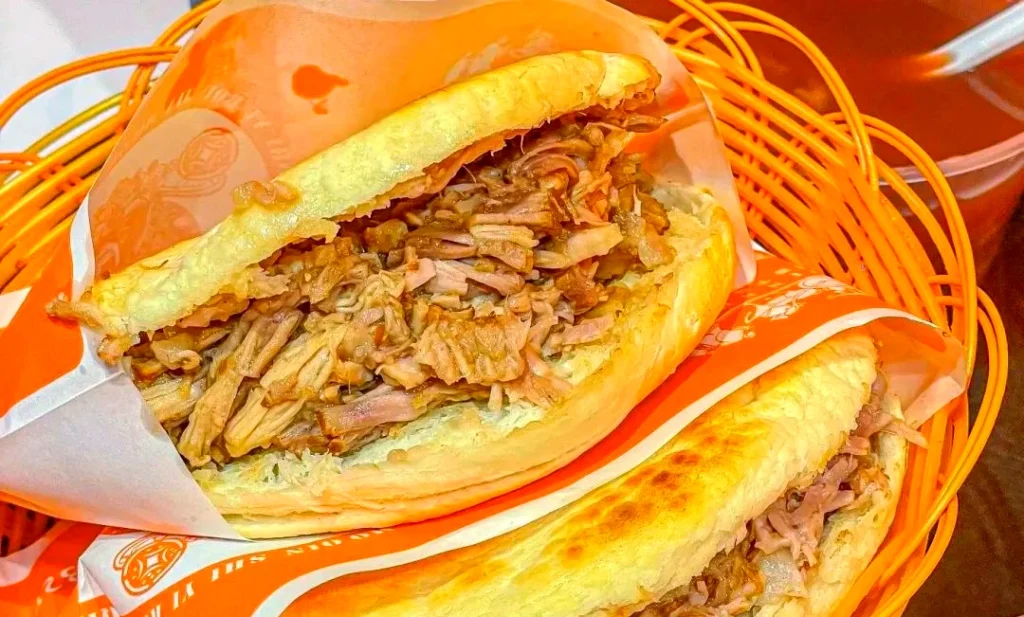
Roujiamo: The “Chinese Hamburger” Recognized Worldwide
Roujiamo is Xi’an’s signature dish that has gained international fame, and is often referred to by many foreign friends as the “Chinese hamburger.” The crust is golden, crispy, and fragrant, while the interior is soft and layered. The bread is stuffed with minced braised pork—tender, flavorful, and full of juices—that bursts with flavor with every bite. It’s rich yet not greasy, becoming more delicious the more you chew.
The braised pork requires premium pork, slow-cooked for hours with over twenty spices; The Baiji bread is baked using traditional methods, resulting in a crispy exterior and soft interior. A good roujiamo requires meticulous attention to every detail—no shortcuts are allowed. A standard roujiamo costs about 10–12 yuan, while a premium version (with more meat) ranges from 14 to 18 yuan. Paired with liangpi (cold noodles) and Bingfeng soda, it’s the everyday staple that Xi’an locals never tire of.
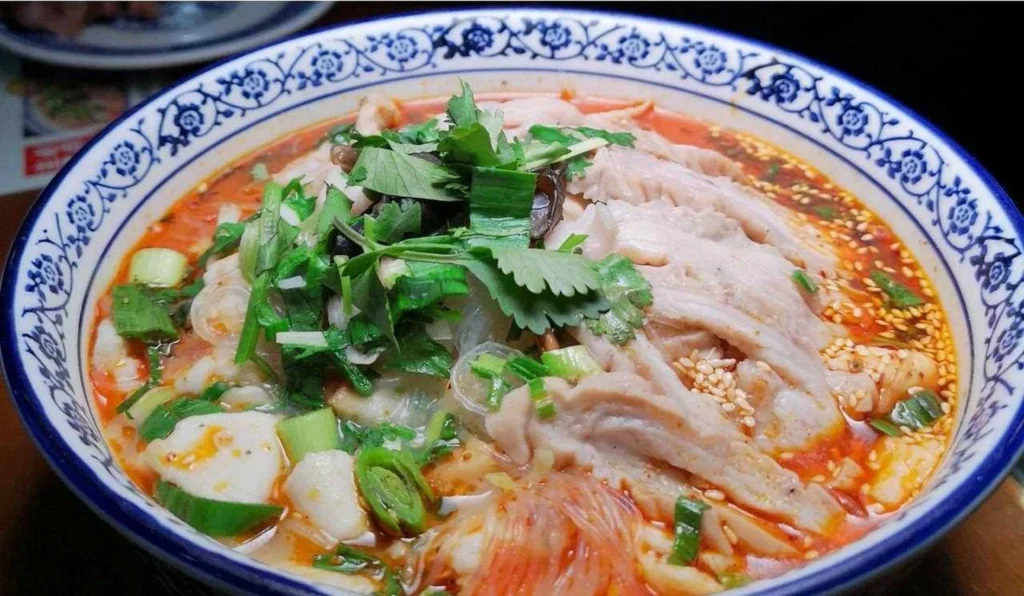
Yangrou Paomo: The Ritual of Tearing Bread
A visit to Xi’an isn’t complete without trying paomo. The history of this dish dates back to the Western Zhou Dynasty; even the Northern Song Dynasty poet Su Shi wrote, “The cuisine of Long features cured bear meat, while Qin’s cooking is all about mutton stew.”
The most enjoyable part of paomo is tearing the bread by hand. Break the freshly baked flatbread bit by bit into soybean-sized pieces—the smaller they are, the more flavor they absorb. This isn’t a shortcut; tearing the bread is an integral part of the ritual. Once the torn pieces are returned to the kitchen, they’re simmered with bone broth, glass noodles, and wood ear mushrooms. When served, the broth is rich, the bread is chewy, and the meat is tender without any gaminess.
A standard bowl of mutton paomo costs about 20–25 yuan, while the premium version runs 30–35 yuan. Locals typically pair it with a clove of pickled garlic, which leaves a lingering fragrance and cuts through the richness with its tangy, spicy flavor. When discussing a Xi’an food tour and what to eat, paomo is always an essential stop.
More Than Just Clear Soup: Two Hidden Gems in the Paomo Family
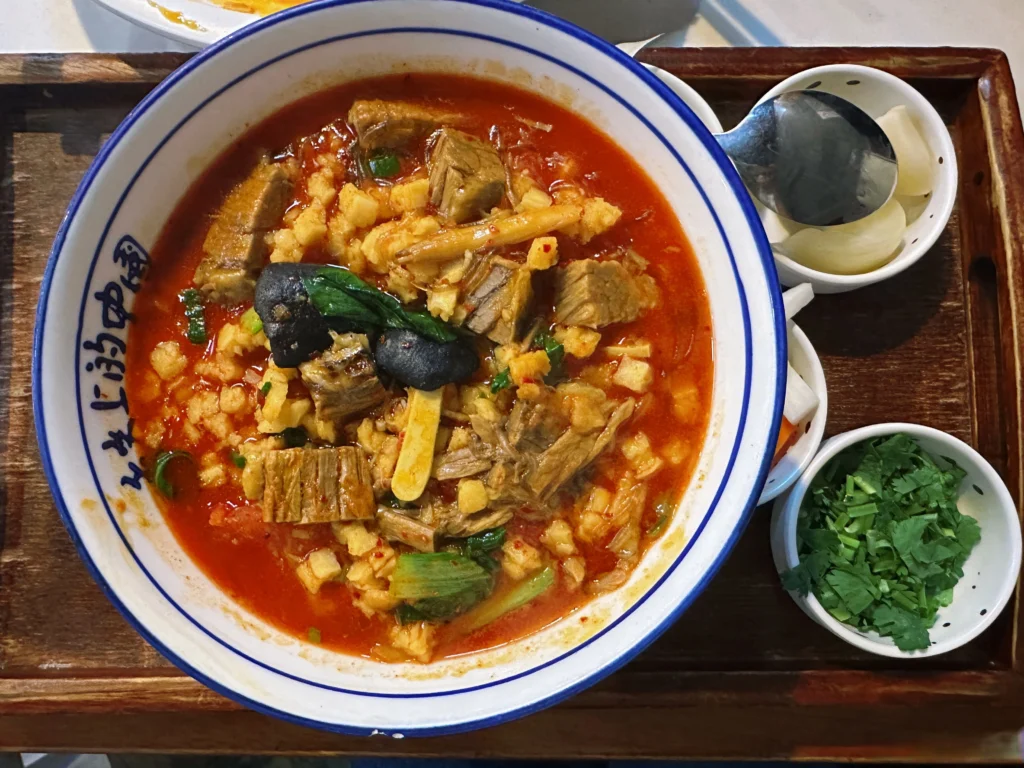
Stir-fried Paomo is even more addictive than clear-broth Paomo. It’s made by quickly stir-frying raw meat with tomatoes, greens, and spicy vinegar, then simmering it with hand-torn bread. With its tangy, spicy, salty, and savory flavors, this dish features a rich broth with minimal liquid—a must-try for those who love bold flavors.
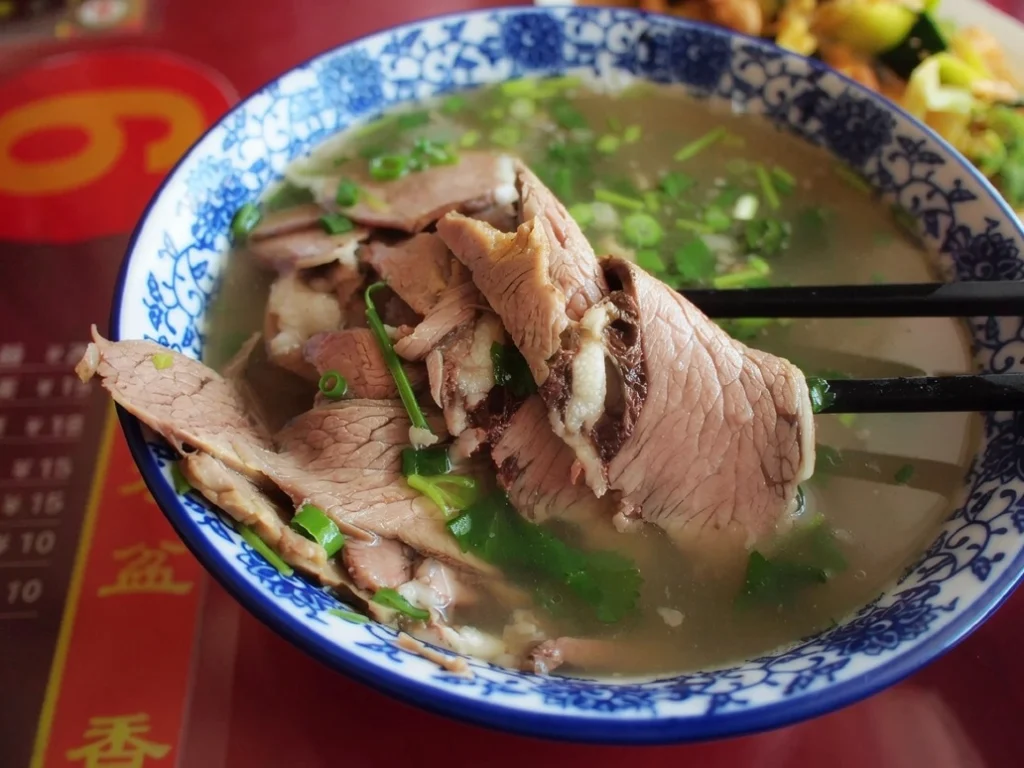
Water-bowl lamb, on the other hand, takes a completely different approach. It features a clear, rich, and mellow broth made from lamb bones, with tender, melt-in-your-mouth meat. The broth is light and flavorful, with no gamey aftertaste. Served with crescent-shaped flatbreads, you can either soak them in the broth or use them to wrap the meat—it’s refreshing and never greasy. A standard bowl of water-bowl lamb costs about 15–20 yuan.
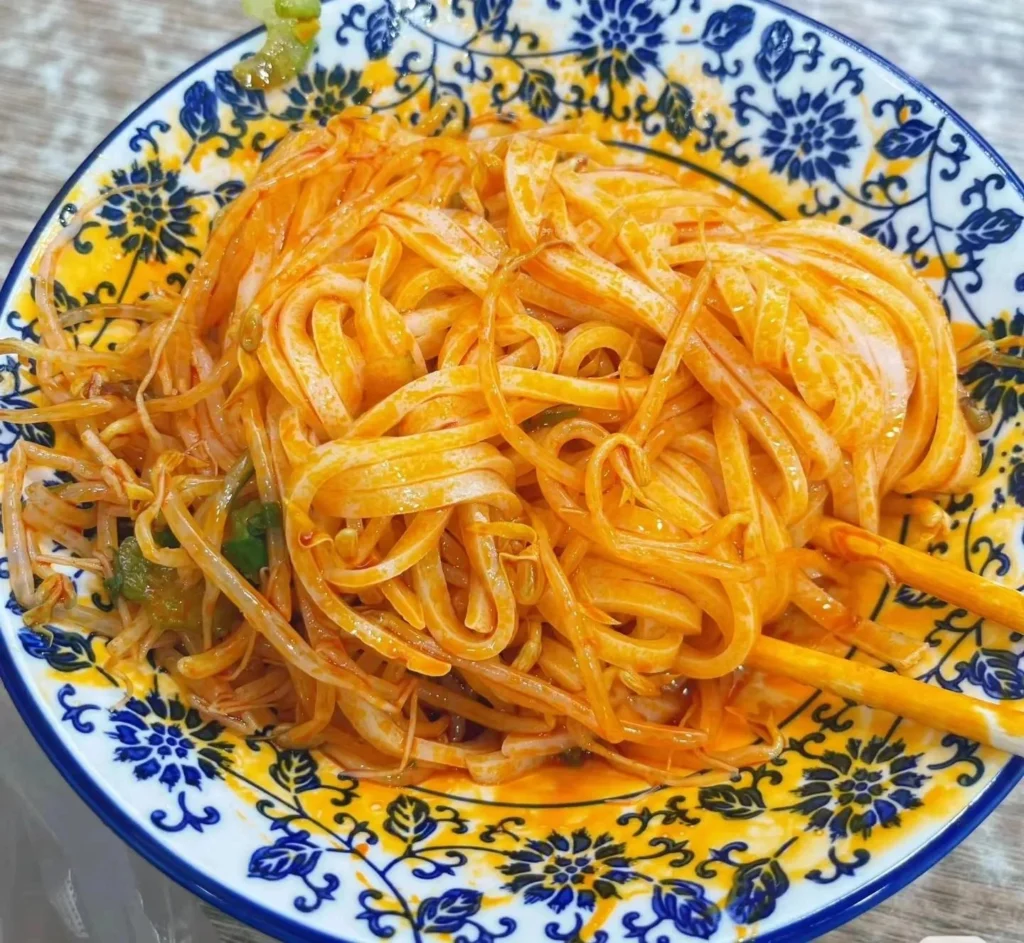
Liangpi: So Many Varieties, You’ll Be Spoiled for Choice
Xi’an liangpi isn’t just a single dish—it’s a whole “family.” From the soft and silky Qin Town rice noodles to the chewy and refreshing Qishan rolled noodles, and the rich and aromatic sesame sauce liangpi, each variety offers a distinct flavor profile, all infused with the fragrant aroma of chili oil and a tangy, spicy kick that whets the appetite.
Qin Town rice noodles are made by grinding rice into a paste and steaming it, resulting in a smooth and tender texture; Qishan rolled noodles are made by repeatedly kneading and washing flour, resulting in a chewy texture and resilient sheets; sesame paste liangpi is rich and savory, with the depth of the sesame paste clashing with the tangy heat of the chili oil to create a unique layered flavor. At 8–10 yuan per serving, it’s one of Xi’an’s best-value delicacies and the safest bet on any Xi’an food tour.
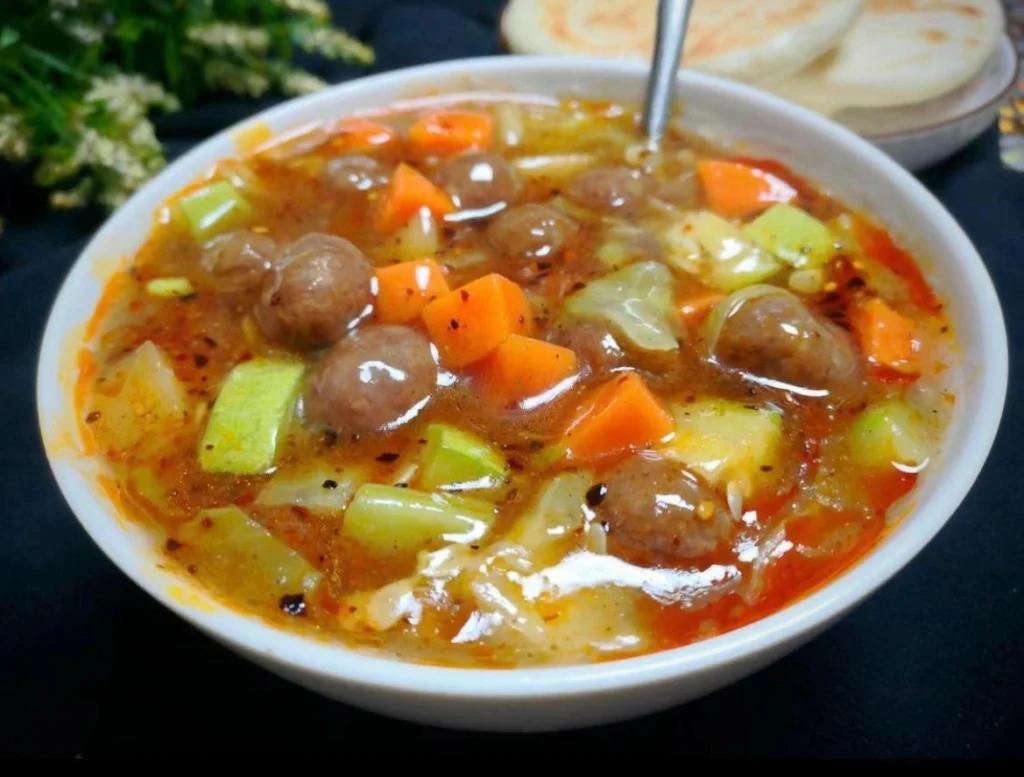
Meatball Hula Tang: The Morning Flavor That Wakes Up Xi’an
Xi’an’s Hula Tang is completely different from that of Henan; it is a morning flavor unique to this city. Plump beef meatballs and assorted vegetables rest in a rich, savory broth. The thick, flavorful soup is topped with a spoonful of red chili oil, delivering a spicy, warming sensation that soothes the stomach.
The local way to eat it: tear off pieces of tuotuo bread and soak them in the soup. After finishing a bowl, you’ll feel refreshed and energized, instantly ready for the day ahead. Priced at 10–15 yuan per person, it’s a filling and satisfying meal—a breakfast favorite that Xi’an locals have enjoyed since childhood.
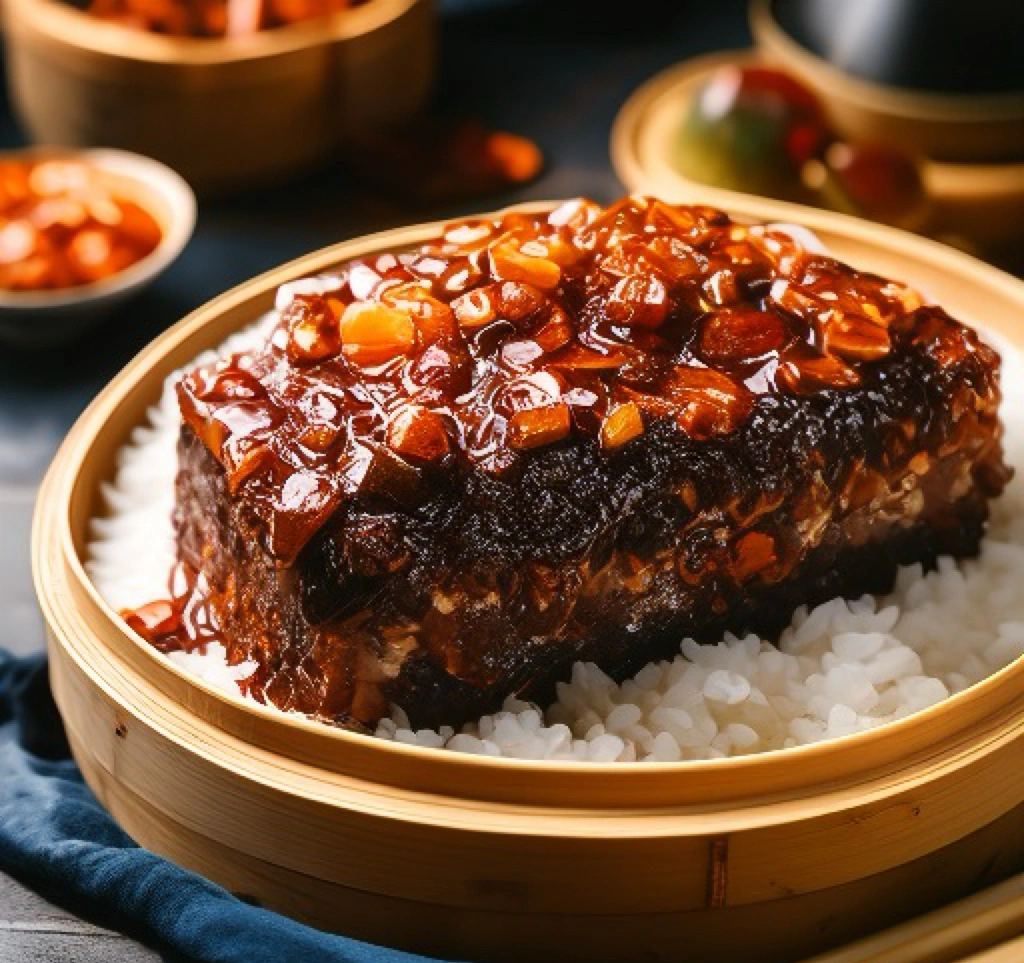
Zeng Gao & Soup Dumplings: Sweet Delights from the Street
Zeng Gao is a traditional sweet treat found everywhere on the streets of Xi’an. Layers of glutinous rice are combined with red dates and red beans, then steamed slowly over low heat for a long time. The result is a rich aroma of dates and soft, chewy rice—sweet without being cloying. You can buy a serving for just 5–8 yuan per person, and eating it on the go fills you with the sweet, down-to-earth flavors of old-fashioned street food.
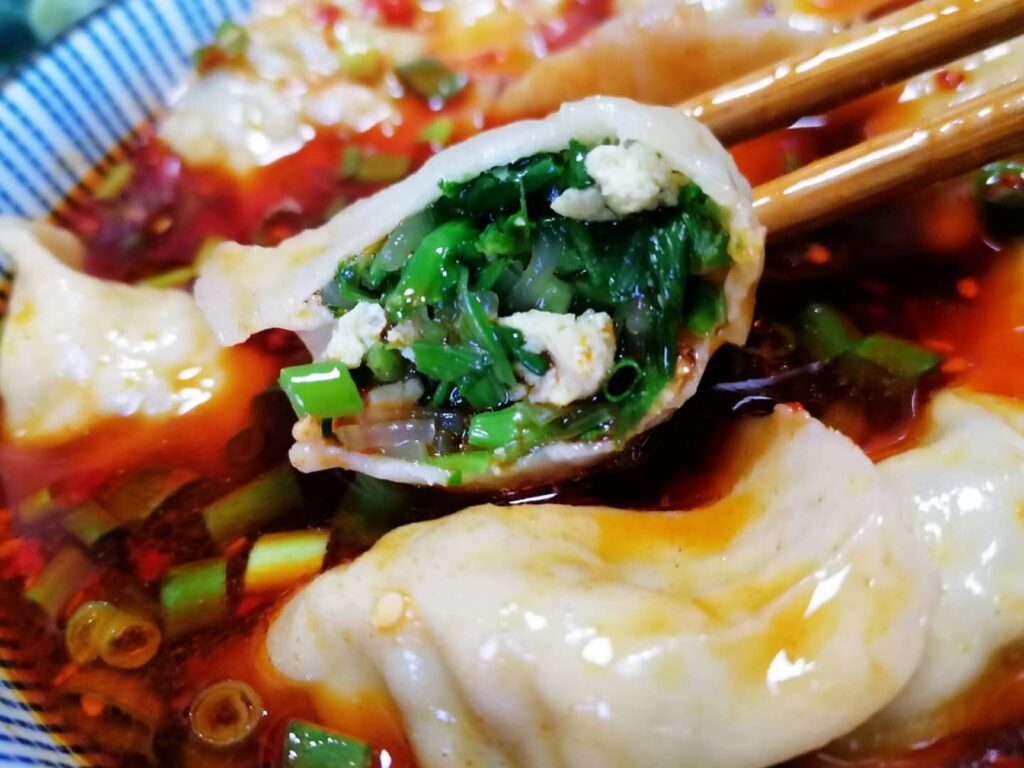
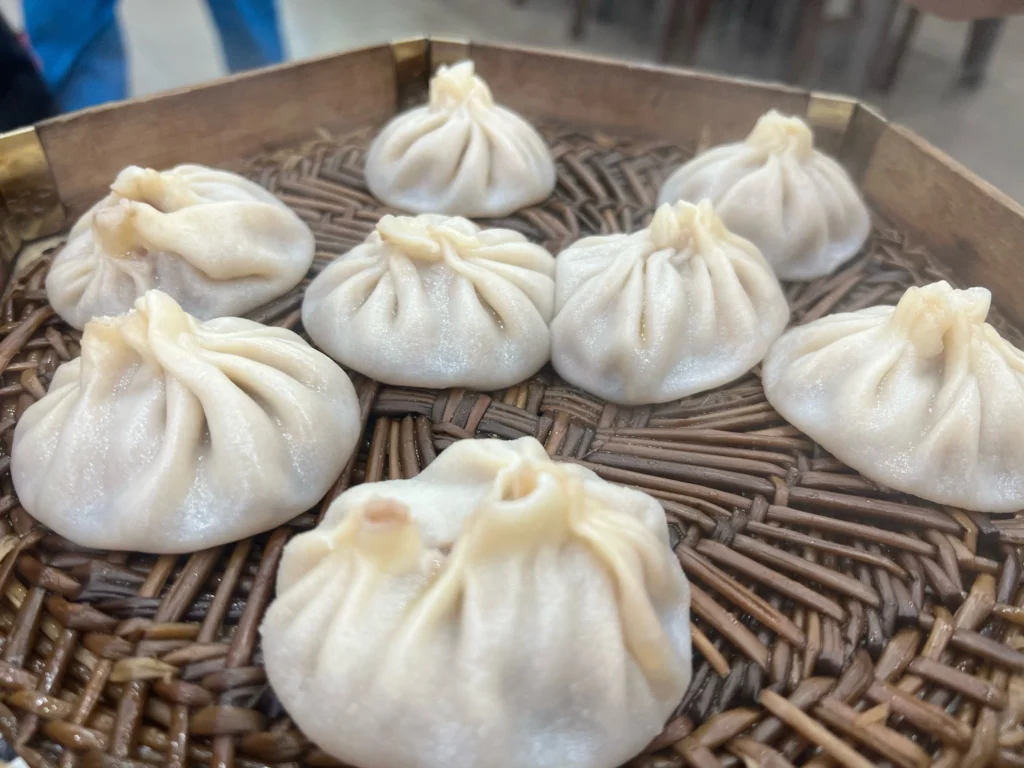
Soup dumplings offer a different kind of delight. Their wrappers are as thin as a cicada’s wing and translucent, filled with a rich, savory broth. There’s a proper way to eat them: first, gently bite a small hole to sip the soup, then enjoy the meat filling. Dipping them in vinegar and chili oil enhances the flavor even more. A steamer basket of soup dumplings costs about 15–25 yuan; the beef-filled variety is the signature dish, with a delicious, rich broth that bursts with flavor in every bite.
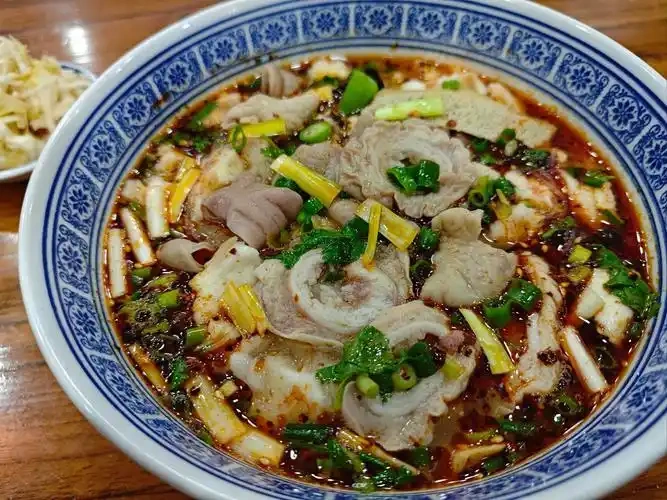
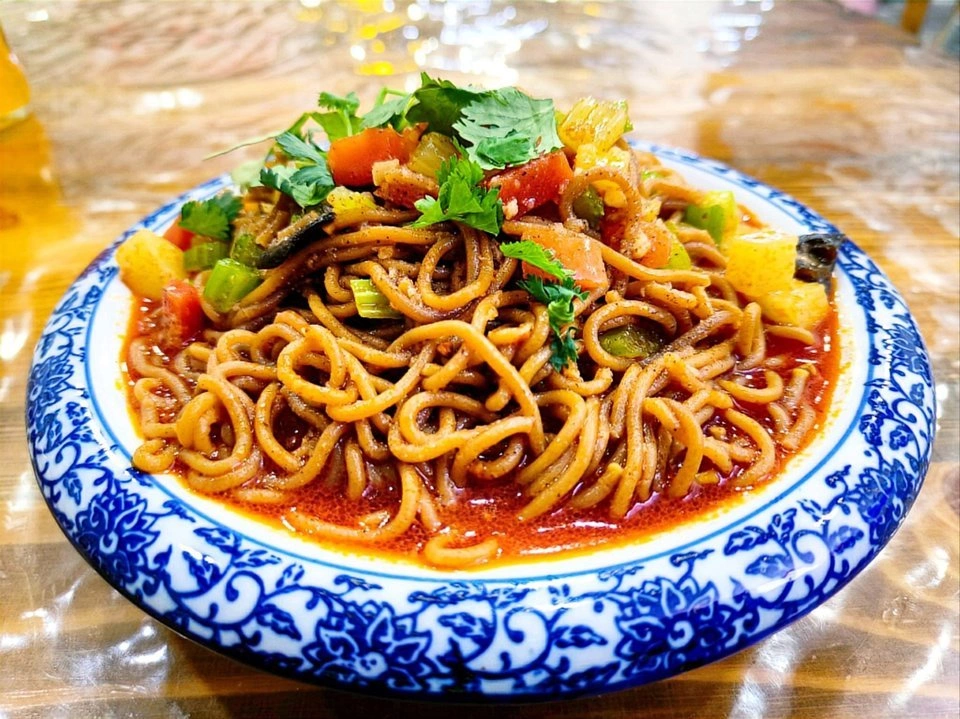
Lamb Blood Noodle Soup & Buckwheat Noodles: A Must-Try for Fans of Bold Flavors
Lamb Blood Noodle Soup is a favorite among foodies who love bold flavors. Tender, smooth lamb blood is paired with glass noodles and tofu, all simmered in a piping hot, savory broth infused with chili oil, blending numbing, spicy, savory, and aromatic notes into one harmonious taste. Enjoy it with a pot-baked flatbread, and a bowl of this in the fall or winter will warm you right up. A bowl costs about 15–20 yuan.
Buckwheat Noodles are a hidden gem often overlooked by tourists. Hand-rolled to be chewy and smooth, they carry a natural, nutty aroma. Topped with a secret-recipe meat sauce and chili oil, they’re bursting with flavor. The cold, sour-and-spicy version is refreshing and appetizing in summer, while the hot soup version warms both body and soul in winter. Prices range from 10–15 yuan per person.
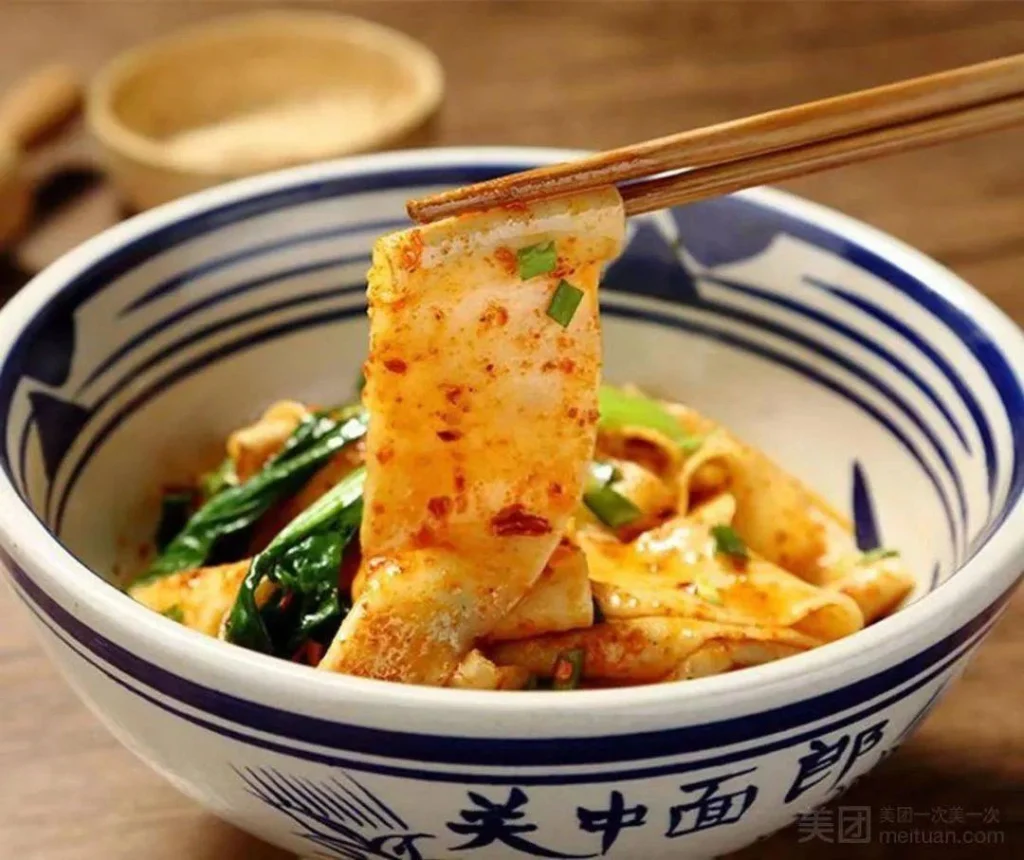
Handmade Noodles: A Staple Deeply Rooted in the Hearts of Guan Zhong People
Finally, let’s talk about noodles. For the people of Xi’an, their passion for noodles runs deep in their bones. Biangbiang noodles, also known as “belt noodles,” are shaped like a belt. Hand-pulled into long, wide, and thick strands, they are drizzled with hot vegetable oil—the dish is all about that hearty, satisfying flavor.
Handmade noodles are pulled and rolled entirely by hand, resulting in a chewy, smooth texture and a rich wheat aroma. Whether served with hot oil, dry-tossed, or topped with minced meat, every preparation is a classic. A bowl of biangbiang noodles costs about 15–20 yuan, and one person often can’t finish a single serving. For noodle lovers, Xi’an’s noodles alone are worth dedicating an entire day to on a Xi’an food tour.
A Xi’an food tour offers more than just a full stomach; it captures the essence of this city’s millennia-old vibrancy. Xi’an cuisine features no elaborate, fancy plating or exorbitant prices; every dish originates from the ordinary streets and is deeply rooted in the daily lives of the people.
The true flavors of Xi’an are never found in trendy Instagram-worthy spots, but rather in the old streets and alleys, on the corners of residential neighborhoods, and hidden within the old shops frequented by locals day in and day out. Next time you visit Xi’an, don’t just blindly follow trends. Take a moment to wander into the old alleys and savor authentic, home-style flavors—only then will you truly understand the gentle charm and true character of this ancient city.
Be sure to save this Xi’an food tour “what to eat” list. Follow it, and you won’t be disappointed. Go ahead and plan your trip now!