How to Visit Terracotta Army Museum: History, Day Trip Plan & Trap Tips
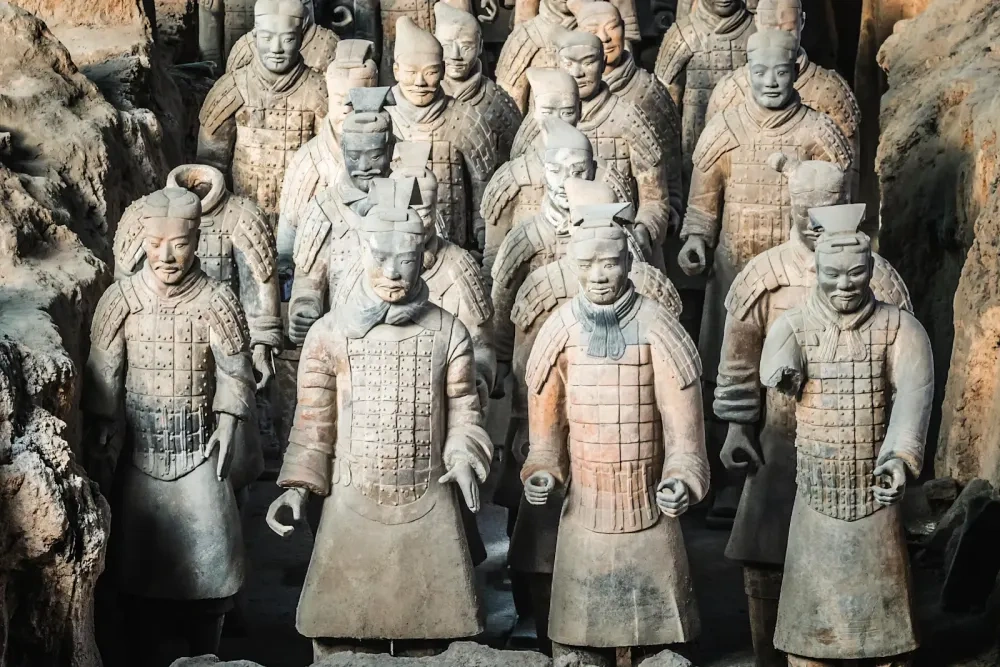
Did you know? Beneath the city of Xi’an in China lies a “terracotta army” of over 8,000 soldiers, who have stood guard for more than 2,000 years. This is the Eighth Wonder of the World—the Terracotta Army Museum. Every year, more than 2.6 million people from all over the world flock here just to catch a glimpse of Emperor Qin Shi Huang’s “immortal army.” How should you plan your first visit to the Terracotta Army Museum? How do you buy tickets? What pitfalls should you avoid? This article has all the answers.
Two Questions You’re Sure to Be Interested In
Is the Terracotta Army Museum worth visiting?
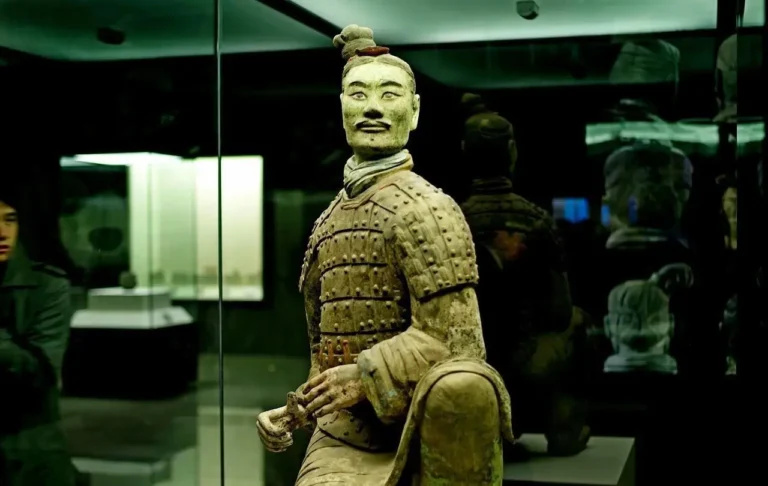
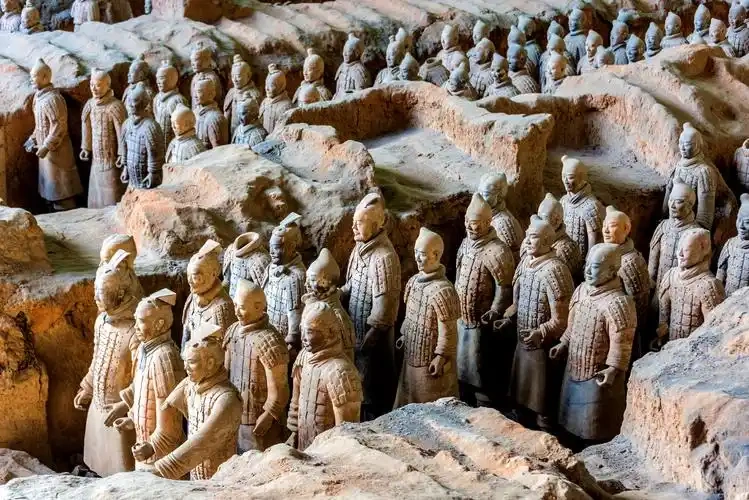
Absolutely—it’s the top-ranked must-see attraction in Shaanxi. With nearly 8,000 terracotta warriors across three pits, each with a unique facial expression, the sheer scale of Pit 1 alone will leave you in awe for hours. Listed as a UNESCO World Heritage Site in 1987, it’s hailed as one of the greatest archaeological discoveries of the 20th century.
How much does a trip cost?
Admission is 120 yuan, round-trip transportation is about 30 yuan, and a guided tour or audio guide is 30 yuan. You can cover the entire trip on your own for less than 200 yuan. It’s cheaper than joining a tour group and offers much more freedom.
An Underground Army That Slept for Two Millennia: The Past and Present of the Terracotta Army Museum
1974: A Glimpse Through the Ages
In March 1974, farmers in Xiyang Village, Lintong, Shaanxi, unearthed several broken terracotta figurines while digging a well. Locals called them “瓦爷” (Waye), finding them both mysterious and somewhat frightening. No one could have imagined that a single swing of the pickaxe would uncover an underground army that had lain dormant for over two thousand years.
The Terracotta Army Museum is dedicated to Qin Shi Huang—the first emperor in Chinese history to unify the six warring states. He began construction of his mausoleum at the age of 13, a project that spanned 39 years and mobilized hundreds of thousands of laborers. Ancient Chinese believed in the principle of “serving the dead as one serves the living,” holding that an emperor required an army to continue protecting him in the afterlife. Thus, this “eternal army” of fired clay was created.
Three Pits + One Hall: Each One Is Unique
The Terracotta Army Museum features three pits and one exhibition hall:
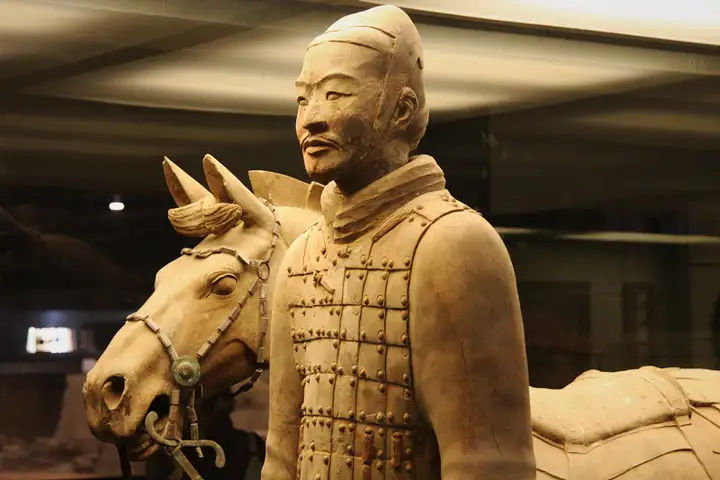
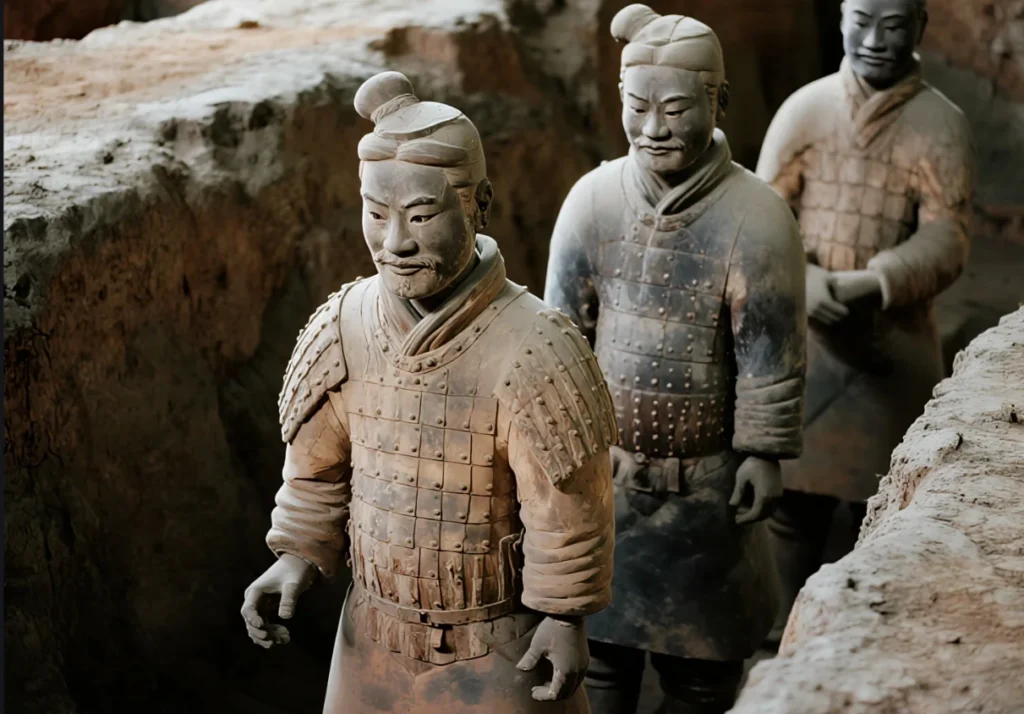
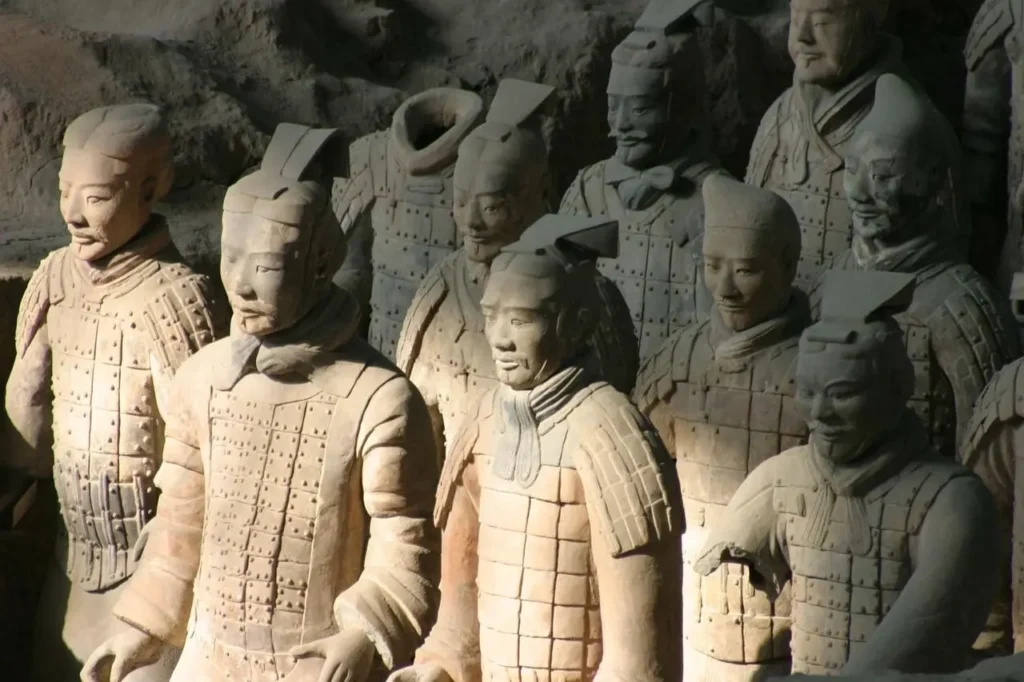
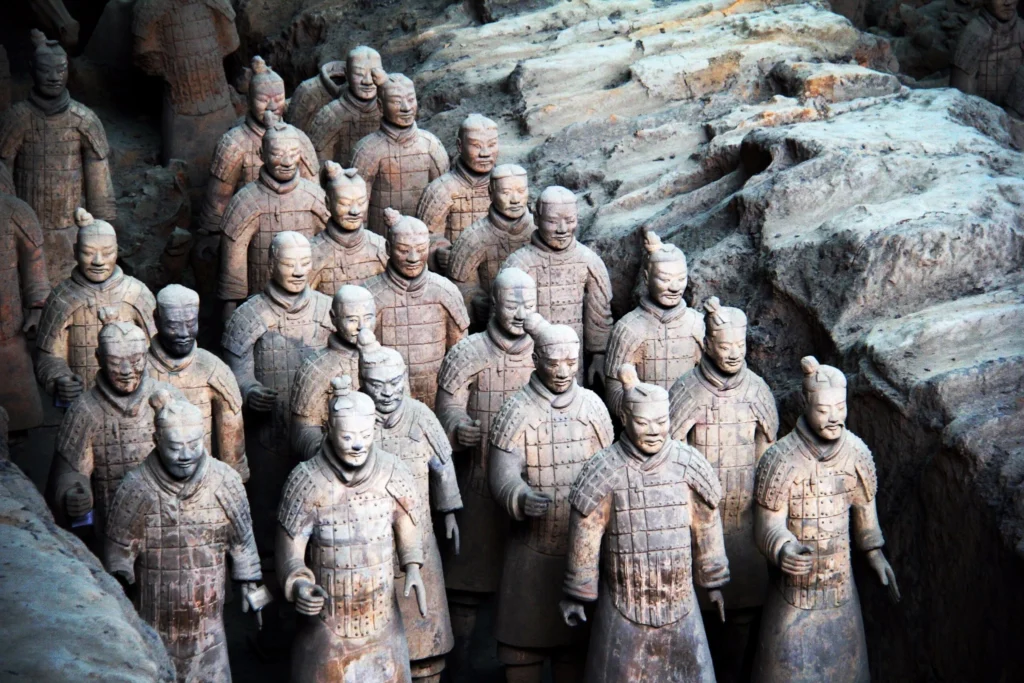
Terracotta Army Museum: Every figurine has unique facial expressions, hairstyles, and armor details. General figurines stand 1.8 to 1.97 meters tall, while ordinary soldiers are about 1.7 meters tall. The craftsmanship is truly astonishing—a rough mold was first used to create the base form, then fine clay was applied to meticulously sculpt the facial features and beards. The head, hands, feet, and torso were crafted separately before being assembled. After air-drying, the pieces were fired in a kiln at 1,000°C, and then hand-painted one by one after removal. When unearthed, they were actually all colorful, but unfortunately, they oxidized and faded rapidly upon contact with air.
Terracotta Army Museum Tickets and Opening Hours: Quick Reference Guide
Ticket Prices (as of May 2026)
Be sure to check the Terracotta Army Museum ticket information and opening hours in advance. During the peak season (March 16–November 15), ticket inspection is from 8:30 AM to 5:00 PM, and the museum closes at 6:30 PM. During the off-season (November 16–March 15 of the following year), ticket inspection is from 8:30 AM to 4:30 PM, and the museum closes at 6:00 PM. The museum is open on Mondays.
How to Buy Tickets
1. WeChat Official Account “Qin Shi Huang Mausoleum Museum” (Recommended; foreigners can register for WeChat using a foreign mobile number)
2. Official website: bmy.albatrip.cn
3. Online travel agencies (such as Ctrip), enter your passport information, and scan your passport upon arrival to enter
On-site ticket office (long lines during holidays)
4. Reservations can be made up to 7 days in advance.
We recommend selecting the 8:30–10:30 or 15:30–17:00 time slots to avoid peak tour group hours.
One-Day Itinerary: How to Allocate Your Time from Downtown to Lishan Garden
The Terracotta Army Museum is located about 35 kilometers from downtown Xi’an, and there are several transportation options:
Subway + Bus (Recommended): Take Subway Line 9 to Huaqingchi Station (Exit C), then transfer to Bus 613 or 602, which takes 5 minutes to reach the scenic area. The entire trip takes about 1.5 hours, and the fare is less than 10 yuan.
From the Train Station: Take Tourist Bus No. 5 (Route 306) from the East Square of Xi’an Railway Station directly to the Terracotta Army Museum. The fare is 7 yuan, and the journey takes 1–1.5 hours.
Bell Tower Shuttle: 30 yuan per person; departs every 30 minutes from 8:00 AM to 2:00 PM; takes about 1 hour.
From the Airport: Take Metro Line 14 → transfer to Line 9 → get off at Huaqingchi Station → take Bus 613; the entire journey takes about 2.5 hours.
Reference Timeline
| Time | Schedule |
| 7:30 | Depart from downtown |
| 8:30 | Arrive at the scenic area and head straight to Pit No. 1 |
| 10:30 | Finish touring the three pits and the exhibition hall |
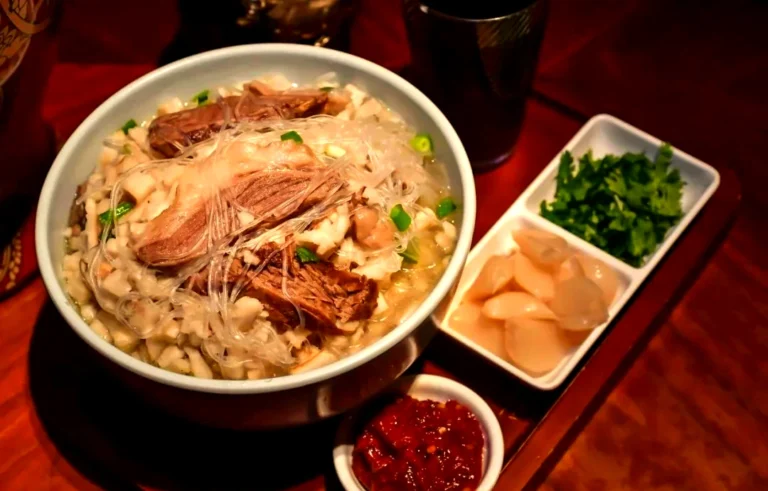
| 11:00 | Lunch (Wei’s Liangpi inside the scenic area is recommended) |
| 12:00 | Take the free shuttle bus to Lishan Garden |
| 13:30 | Finish touring Lishan Garden |
| 14:00 | Return to downtown or visit Huaqing Palace on the way |
Recommended itinerary: Pit 1 → Pit 3 → Pit 2 → Bronze Chariot and Horse Exhibition Hall → Lishan Garden. The authentic bronze chariot and horses at Lishan Garden are the museum’s crown jewels—don’t miss them! The shuttle bus departs from the west side of the Terracotta Army’s North Gate; admission is free with your ticket.
Reverse Itinerary (to Avoid Peak Hours): Visit Lishan Garden first, then the Terracotta Army. Depart at 10:00 AM to arrive at Lishan Garden by 11:00 AM, when it’s quiet and less crowded. Take the free shuttle to the Terracotta Army around 1:00 PM to avoid the morning rush of tour groups.
When is the best time to go?
The off-season from December to February has the fewest visitors. With a student ticket for 60 yuan plus 7 yuan for the bus, you can explore the entire site for just 67 yuan—an absolute steal. During the peak season in July and August (summer vacation), the place is packed. If you can only visit during peak season, I recommend rushing to Pit 1 at 7 a.m. or entering after 4 p.m., when the crowds are about half as dense.
The Terracotta Army Museum is the kind of place where you have to be there to truly appreciate its awe-inspiring grandeur. Two thousand years ago, artisans used yellow clay and intense fire to create an army for an emperor that would never be retired. Standing before Pit 1, watching the dense formation of terracotta warriors salute you—this sense of dialogue across time and space cannot be captured in a photo; you have to experience it in person.
Book your tickets in advance, plan your route, and avoid the common pitfalls—your visit to the Terracotta Army Museum is sure to be the most unforgettable part of your trip to Xi’an. Save this guide and give it another read before you go!